
The Best Festivals & Events Across Asia (As Told by Travel Bloggers)
This post may contain affiliate links, meaning we get a commission if you decide to purchase through our links at no cost to you. This helps fund Slower Travels without costing you a cent!
There's no faster way to understand a place than to show up when it's celebrating. Festivals and cultural events pull back the curtain on the traditions, beliefs, and rhythms of daily life in a way that no museum or guidebook quite manages — and across Asia, the calendar is packed with experiences worth planning a whole trip around.
We asked some of our favourite travel bloggers to share the festivals and events they'd go back for in a heartbeat, from ancient spiritual ceremonies to city-wide water fights that last for days. What follows is their honest, first-hand guide to the best of them — covering everything from Mongolia to Okinawa, Bali to Bangkok.
Whether you're building an itinerary around a specific celebration or simply want to know what you might stumble into, this is the list to bookmark.
Tet in Vietnam
Tet falls on a different date each year according to the lunar calendar, typically between late January and mid-February.
Tet Nguyen Dan — the Vietnamese Lunar New Year — is the most important celebration in the Vietnamese calendar, and experiencing it in the country is something that will stay with you long after the fireworks have faded.
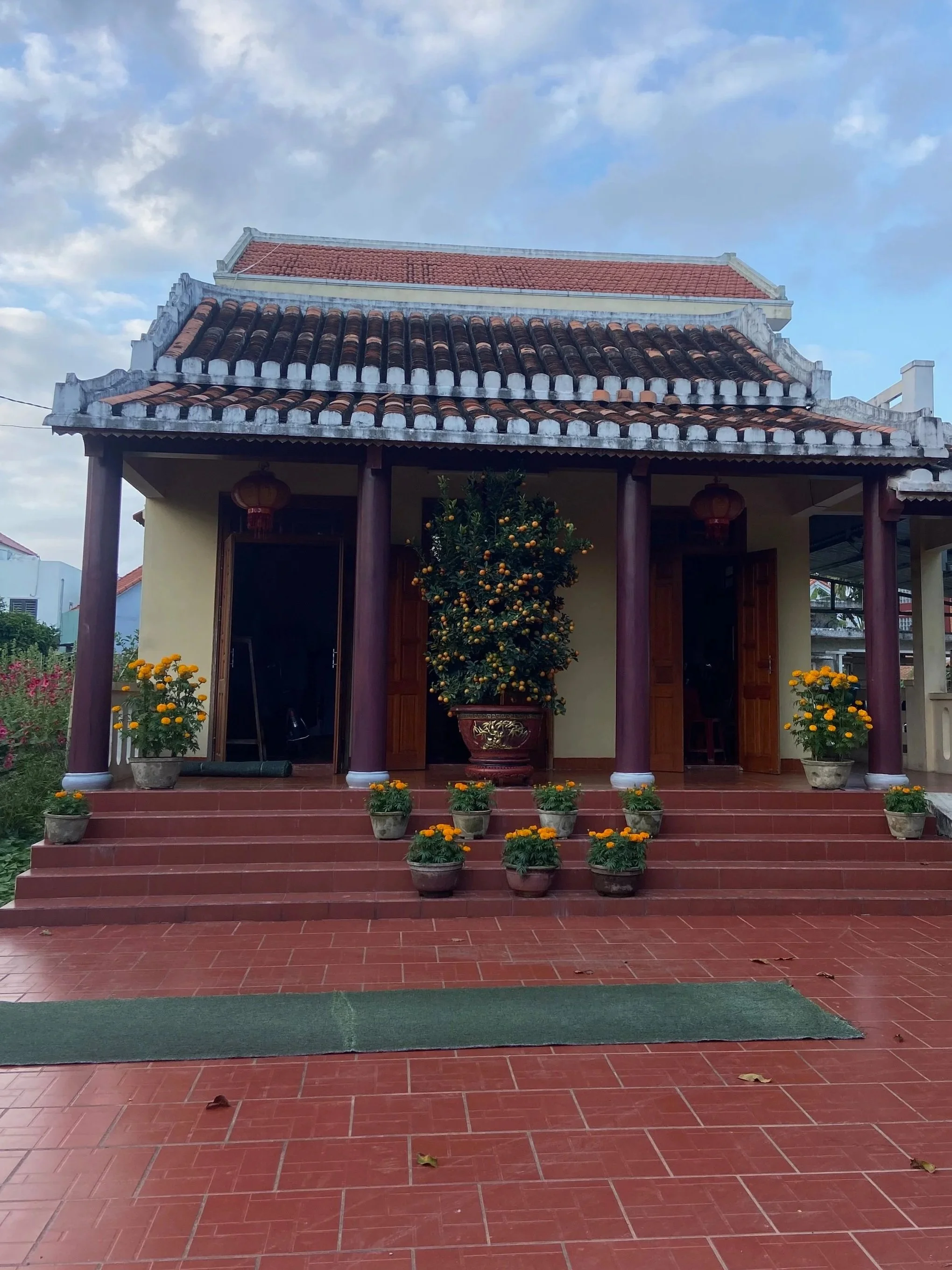
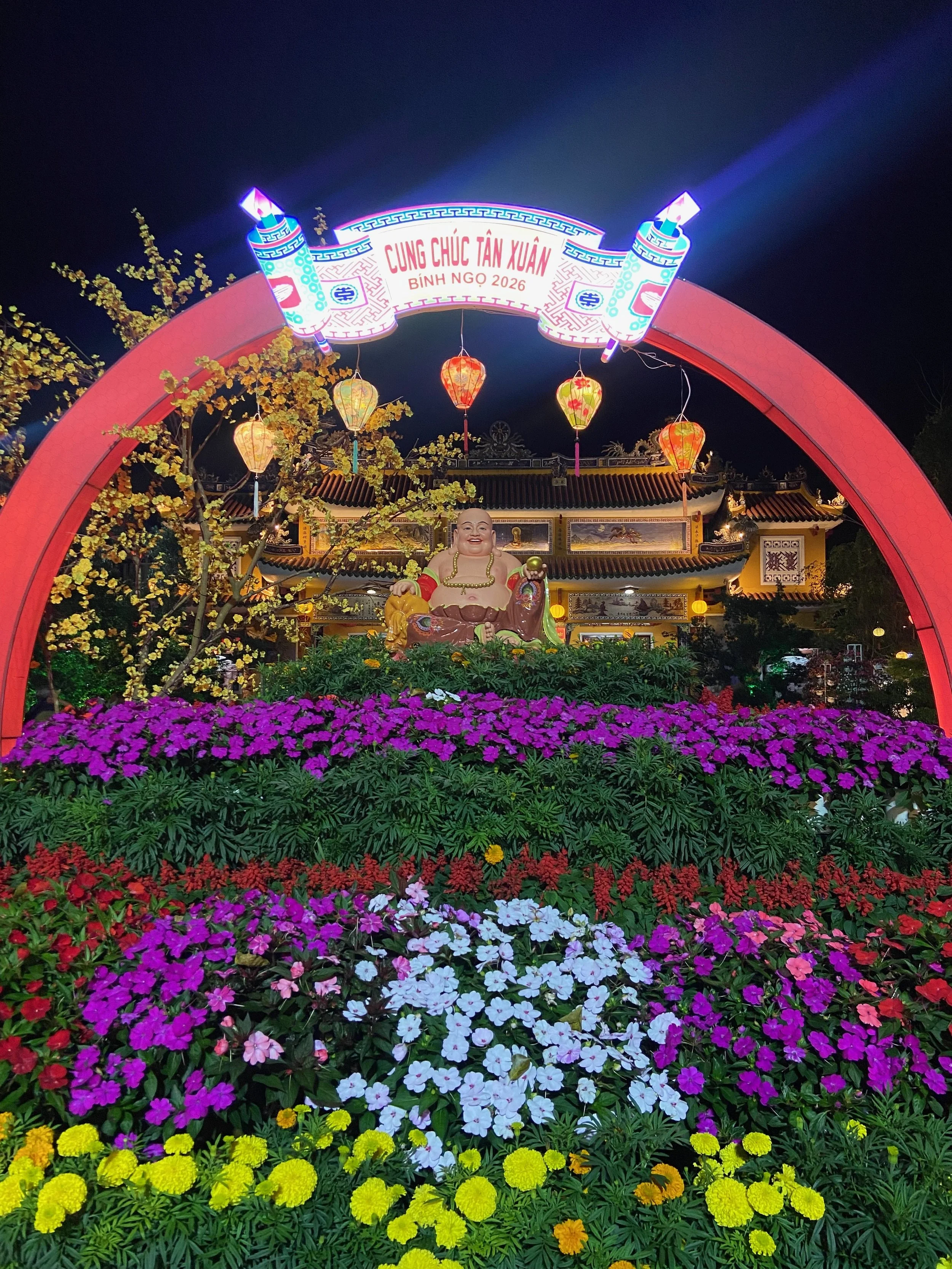
In the days leading up to Tet, the streets transform. Markets overflow with kumquat trees, peach blossoms, and flowers as families prepare to welcome in the new year, and there's a particular kind of festive energy in the air that's unlike anything else we've felt travelling in Southeast Asia. It's one of the most visually beautiful times to be in Vietnam.
That said, Tet comes with some practical realities worth knowing before you go. Many restaurants, markets, and shops close for several days as people travel home to celebrate with their families — we found this particularly noticeable in Hội An, where the usual buzz quietened significantly. Stock up on supplies beforehand, manage your expectations around food options, and lean into the slower pace rather than fighting it.
There are also a handful of traditions worth being aware of. Sweeping, cutting your hair, and washing clothes on New Year's Day are all considered bad luck — you don't want to sweep out the good fortune you've just welcomed in. Expect fireworks at midnight (a lot of them), and don't be surprised if karaoke becomes the unofficial soundtrack of the following days.
If you're travelling around Vietnam and considering the train journey between cities, our guide to the Ho Chi Minh City to Đà Nẵng train is a good place to start planning.
Shared by Tania & Kie from Slower Travels
Chiang Mai Flower Festival in Thailand
This festival is a three-day event held at the start of February to celebrate the end of the winter season.
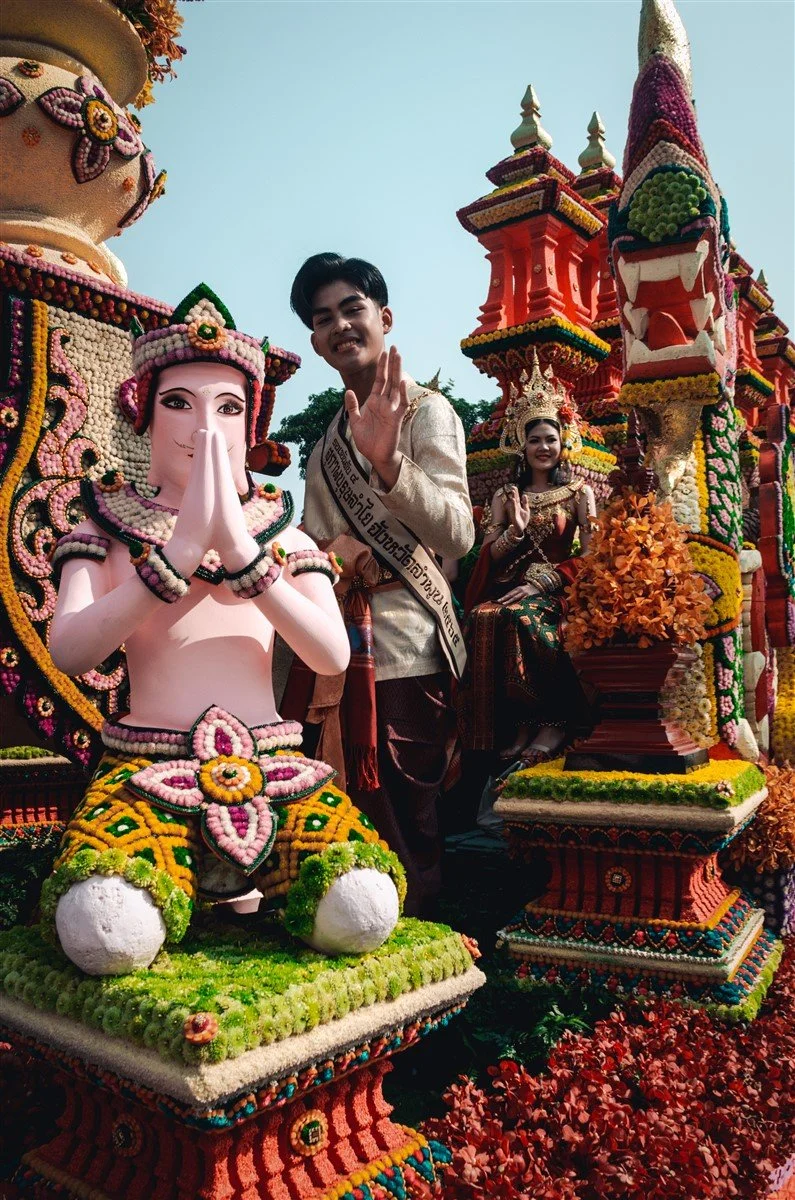
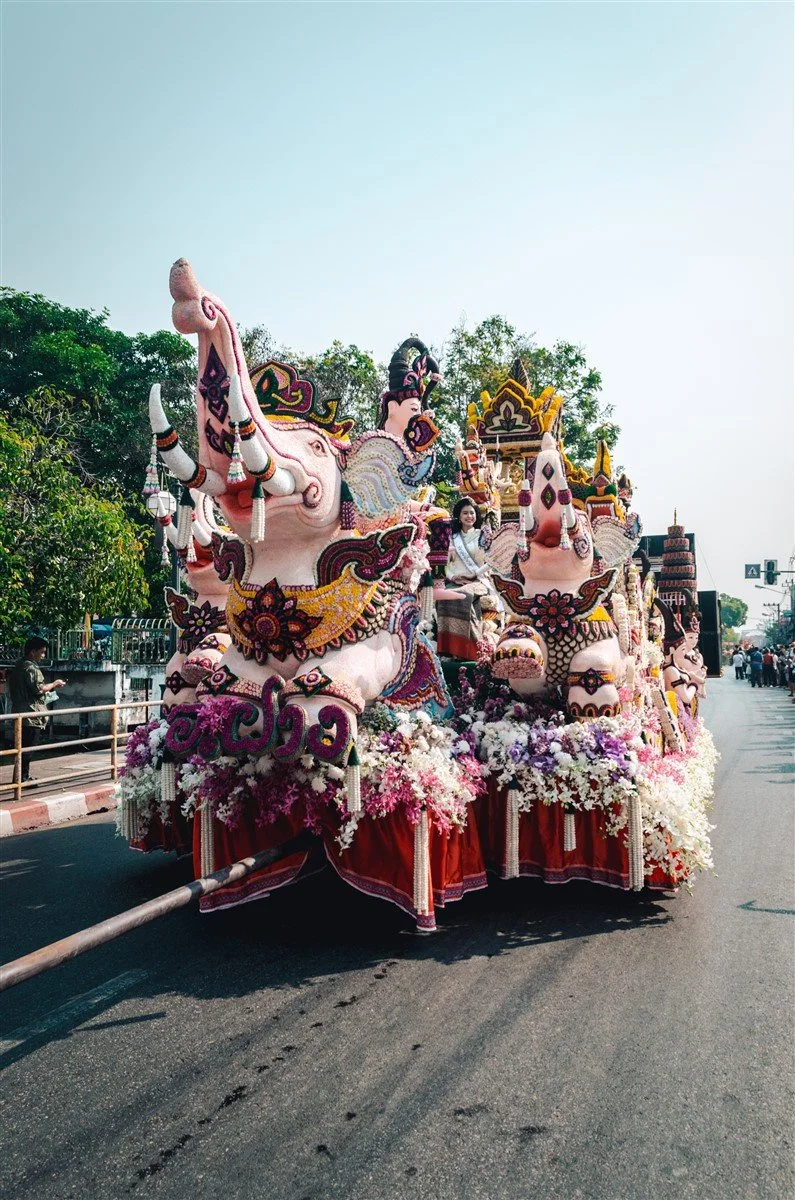
The Chiang Mai Flower Festival is a lovely event held in the northern city of Chiang Mai, Thailand. During this event, you can watch a parade with impressive floral floats, witness Thai beauty pageants, indulge in the best Thai street food, and watch live music performances.
The festival was first held in 1976 to celebrate the beauty and abundance of flowers in northern Thailand. Today, it promotes the region's horticultural industries by showcasing the diverse array of plants and flowers grown in the country's northern provinces. Furthermore, you'll be immersed in the traditions of the ancient Lanna Kingdom through music and dance at the festival.
The festival has a very fun and lively vibe, and it's completely free to visit! While there's an agricultural fair on Friday evening, the best thing about the festival is the parade on Saturday. To watch it, you don't need to do anything special. The parade moves along the water-filled moat surrounding the city centre, starting at Nawarat Bridge and ending at the Nong Buak Haad Public Park near the Chiang Mai Municipality Office.
When I visited the festival, I headed to Chang Lor Road to see the parade, and that was a perfect spot. It was not too busy, and I could see everything well!
Shared by Annelies from Travelers & Dreamers
Bau Nyale in Lombok, Indonesia
Bau Nyale takes place each year between February and March, with the exact date determined by the Sasak lunar calendar.
Bau Nyale is one of those festivals that sits firmly on our "we have to do this" list — and if you're planning a trip to Lombok around February or March, it should be on yours too.
Held annually on the south coast of Lombok, Bau Nyale centres on the mass appearance of nyale — sea worms — which emerge from the coral reefs once a year in a phenomenon tied to the Sasak lunar calendar. The festival is rooted in the legend of Princess Mandalika, a beloved Sasak princess who threw herself into the sea rather than choose among her many suitors, and whose spirit is said to return each year as worms. Locals wade into the water to catch them, believing they bring good luck and a bountiful harvest, and the worms are eaten both raw and cooked.
Beyond the worm harvest itself, the festival is a vibrant celebration of Sasak culture, with traditional music, poetry, and ceremonies drawing crowds from across the island and beyond. The main gathering takes place at Seger Beach, near Kuta Lombok, which makes it an easy addition if you're already based in the area.
We haven't experienced Bau Nyale ourselves yet — but that just means it's still on the list. If you're heading to Kuta Lombok, our full guide to the area will help you plan your trip.
Shared by Tania & Kie from Slower Travels
Holi in India
Celebrated during the spring season from February to March, and the length of the celebration depends on where you are.
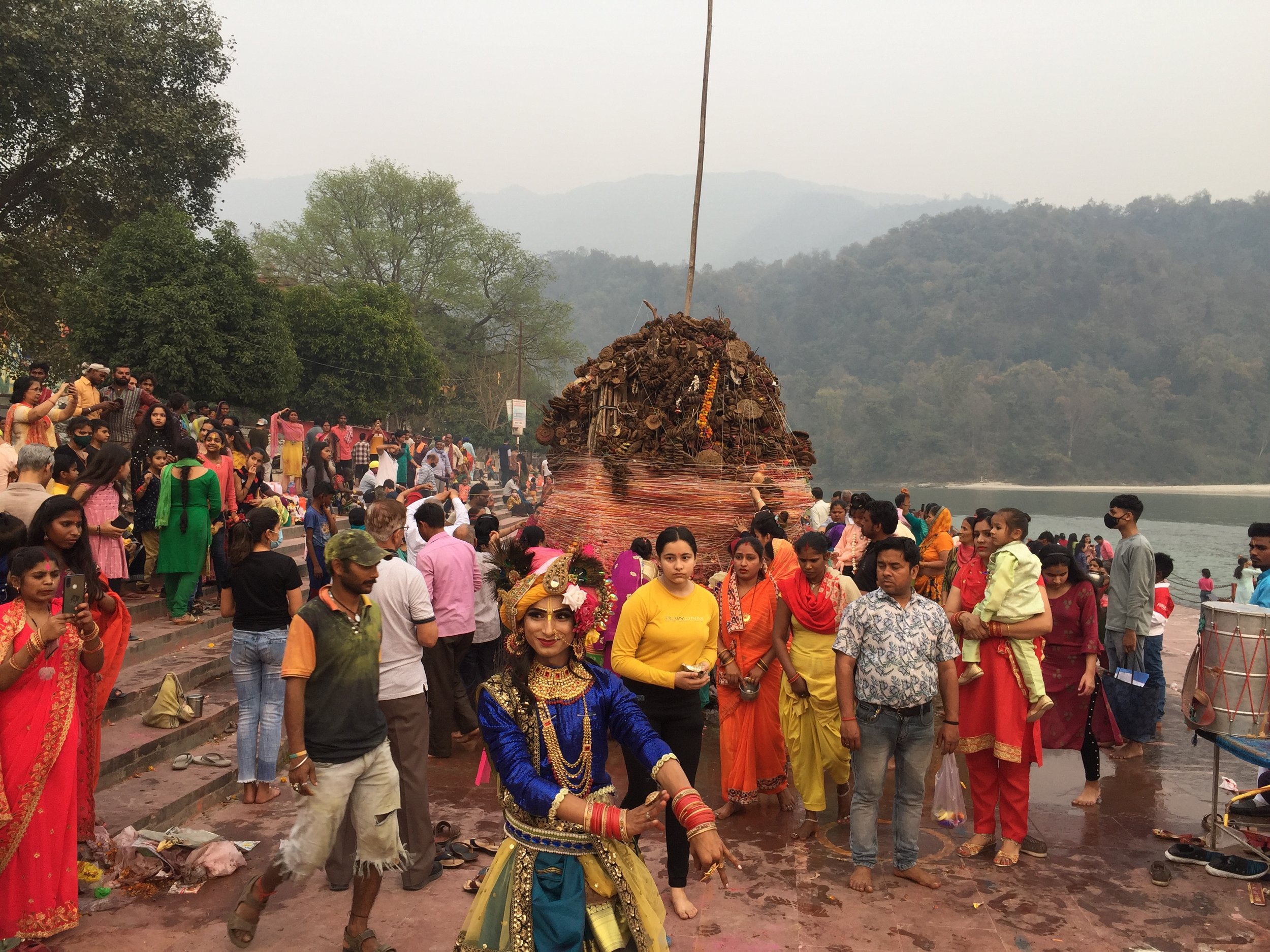
Among the very few festivals that are celebrated pan-India, Holi is perhaps the most popular and the most fun! Though primarily a festival of colours, Holi also features scores of traditional rituals and religious performances. Depending on where you are in India, the festival can last from a day to a month!
Holi signifies three things: the victory of good over evil, the arrival of spring, and the celebration of divine love, especially between Lord Krishna and his consort, Radha. Since it’s associated largely with Lord Krishna, Mathura-Vrindavan, the birthplace of the Lord, celebrates it best for over a month!
Hailing from East India, for the majority of my life, Holi mainly meant playing with colours with friends and neighbours. However, when I started travelling across India, I realised how much more the festival means for people in northern India. My most cherished experiences of Holi were in Mathura-Vrindavan and Rishikesh.
In Mathura-Vrindavan, it’s deeply religious, with Hindu devotees thronging temples to celebrate it with Lord Krishna and Radha. Throughout the month, they play different versions of Holi: with flowers, with ladoo (sweets) and colours. Though it’s completely immersive and enjoyable, foreigners (especially women) should be a little careful. Because it involves a lot of physical contact while people colour each other. And since thousands gather at one place, it’s chaotic and feels a little overwhelming.
However, my experience of Holi in Rishikesh was more enjoyable. I still remember that beautiful evening at the Ganga (river) Ghat. After the traditional Ganga Aarti, they celebrated Holi with flowers, traditional dance performances by local artists and devotional songs filling the atmosphere. Rishikesh, the yoga and spiritual capital of India, is enjoyable year-round, with plenty to do. But during Holi, it reaches its peak of fun, frolic, and spirituality, with pleasant weather.
Shared by Suvendu from Stamped Moments
Nyepi in Bali, Indonesia
Nyepi falls on the day after the dark moon of the spring equinox, which usually falls in March.
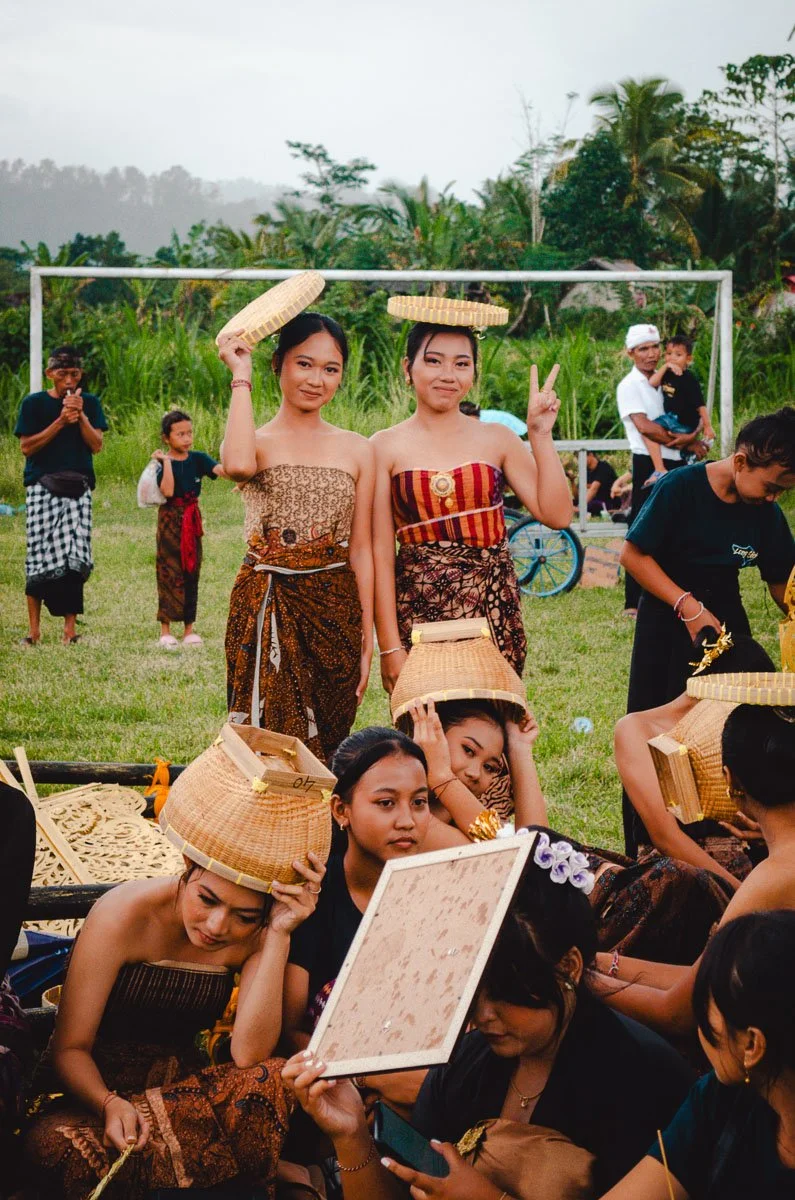
If you want to attend a very special festival in Indonesia, consider visiting Bali in March. This is when Nyepi takes place — the Balinese Hindu New Year. While most cultures celebrate the New Year with noise, fireworks, and big parties, Nyepi is the complete opposite. Instead of a huge celebration, the entire island falls silent for a full 24 hours, making the streets feel like a ghost town.
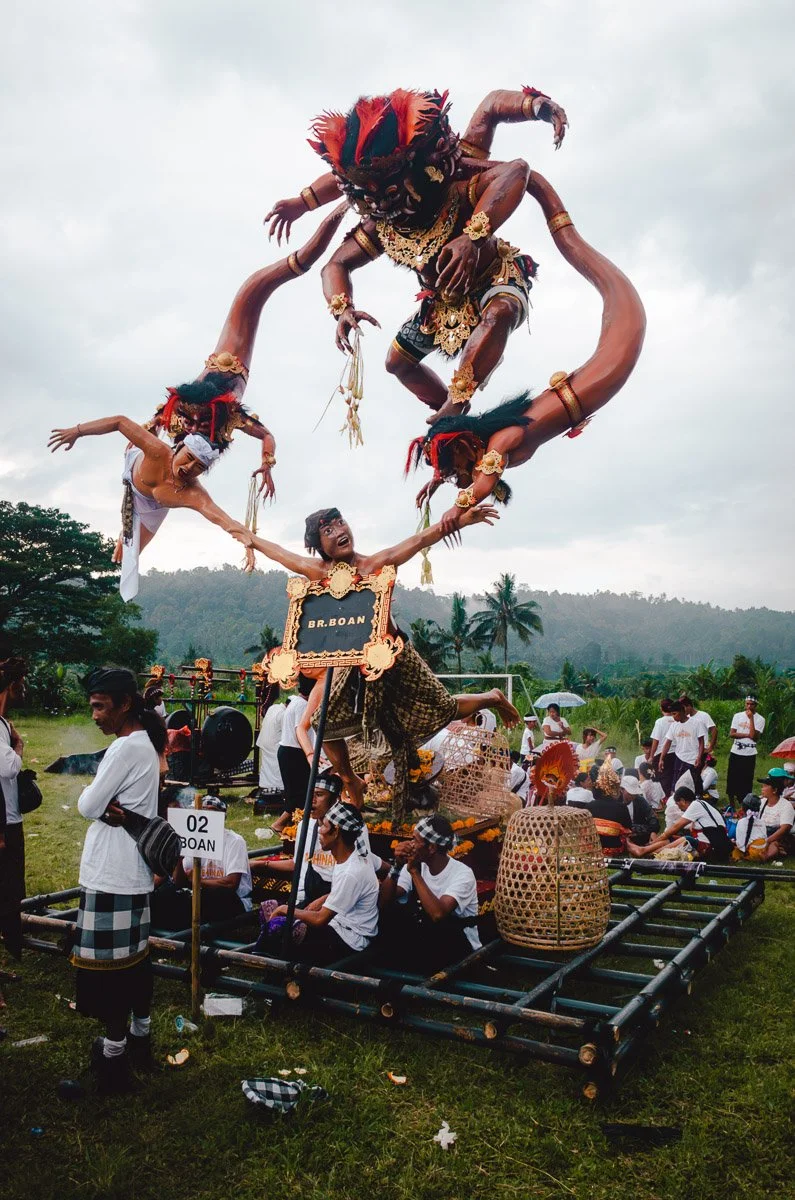
That said, the days leading up to Nyepi are anything but quiet. Balinese families travel back to their hometowns to visit relatives, and the streets fill with incense, gamelan music, and strange-looking papier-mâché creatures that local youngsters spend weeks building. These creatures, called Ogoh-Ogoh, represent negative forces or bad energy that must be driven away.
The evening before Nyepi, you can witness competitions and large parades of the Ogoh-Ogoh before they are ritually burned. I learned from a local that these days the burnings don’t always take place, as some communities recycle parts of the statues to reuse them the following year. Ogoh-Ogoh parades are held all over Bali, but for a particularly festive atmosphere, try Ubud.
The day after the Ogoh-Ogoh parade is Nyepi itself, and like the locals, you’ll be required to stay inside your hotel, homestay, or resort from 6 AM to 6 AM the next morning. Nyepi is a day for reflection, and most Balinese spend it meditating, fasting, or simply resting.
If you’re worried about spending the entire day in your room, don’t be. Many larger resorts allow guests to use the pool and outdoor areas, as long as they keep noise to a minimum and remain within the property grounds.
Shared by Annelies from Travelers & Dreamers
Songkran in Bangkok, Thailand
Songkran takes place annually on 13–15 April.
If there's one festival that absolutely lives up to the hype, it's Songkran — and Bangkok is one of the best places in the world to experience it.
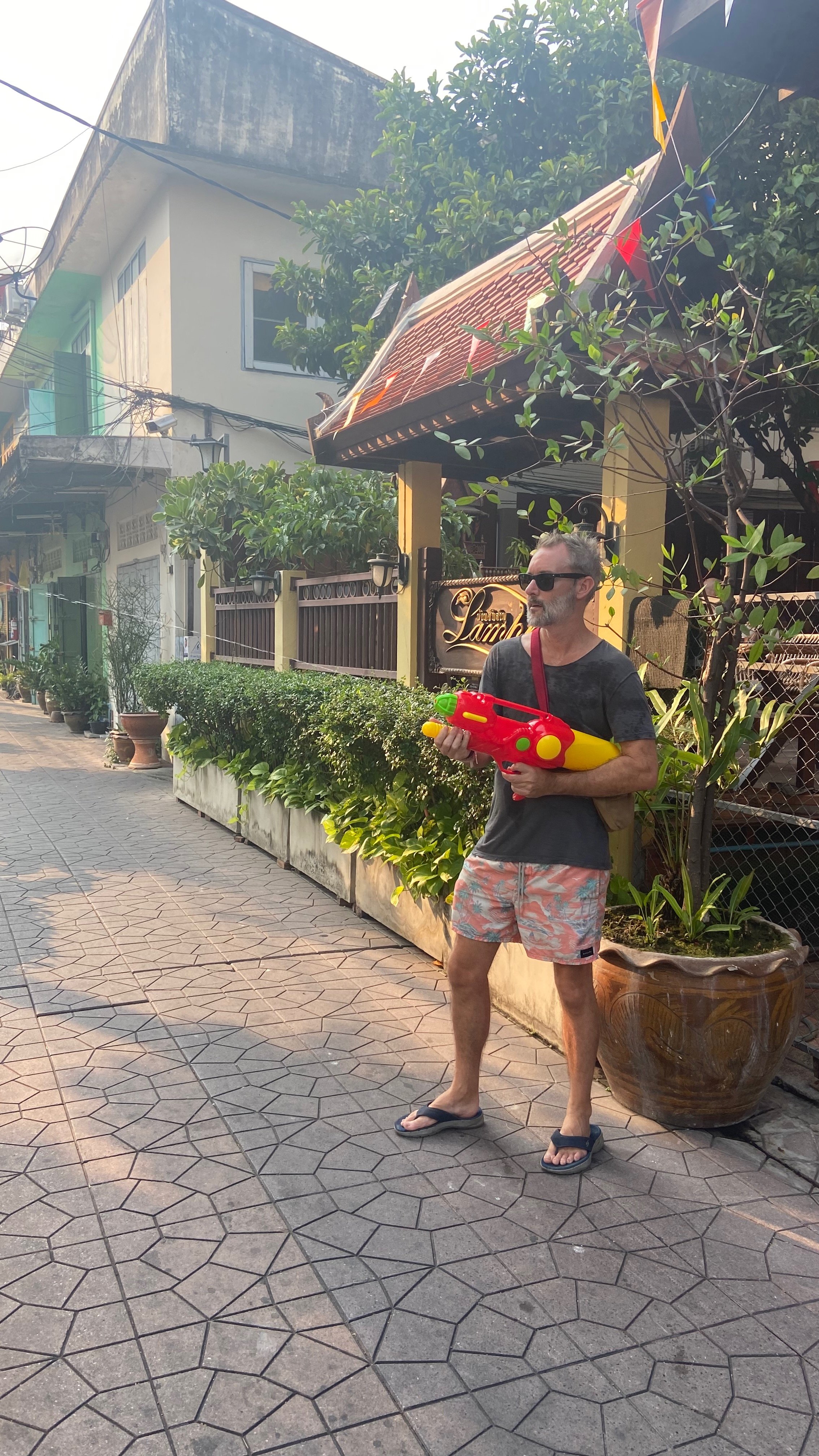
The Thai New Year, celebrated each year on 13–15 April, traditionally involves the gentle pouring of water over elders' hands as a mark of respect and blessing. In Bangkok, that gentle pour has evolved into something else entirely: a full-scale, city-wide water fight that lasts for days. Nobody is safe, and nobody wants to be.
When we visited, the area around Khao San Road at night was something we genuinely weren't prepared for — shoulder-to-shoulder crowds, water guns, buckets, hoses, and an energy that's almost impossible to describe. Even wandering around during the day, a stray jet of water from a passing tuk-tuk was never more than a few seconds away. The best part? Nobody minds. Young and old, locals and tourists, everyone joins in with the same infectious enthusiasm.
You don't need a plan. Hire a rickshaw, walk the streets, find a spot near one of the big stages, or just let the city take you where it wants. Get soaked, embrace it, and soak someone else right back.
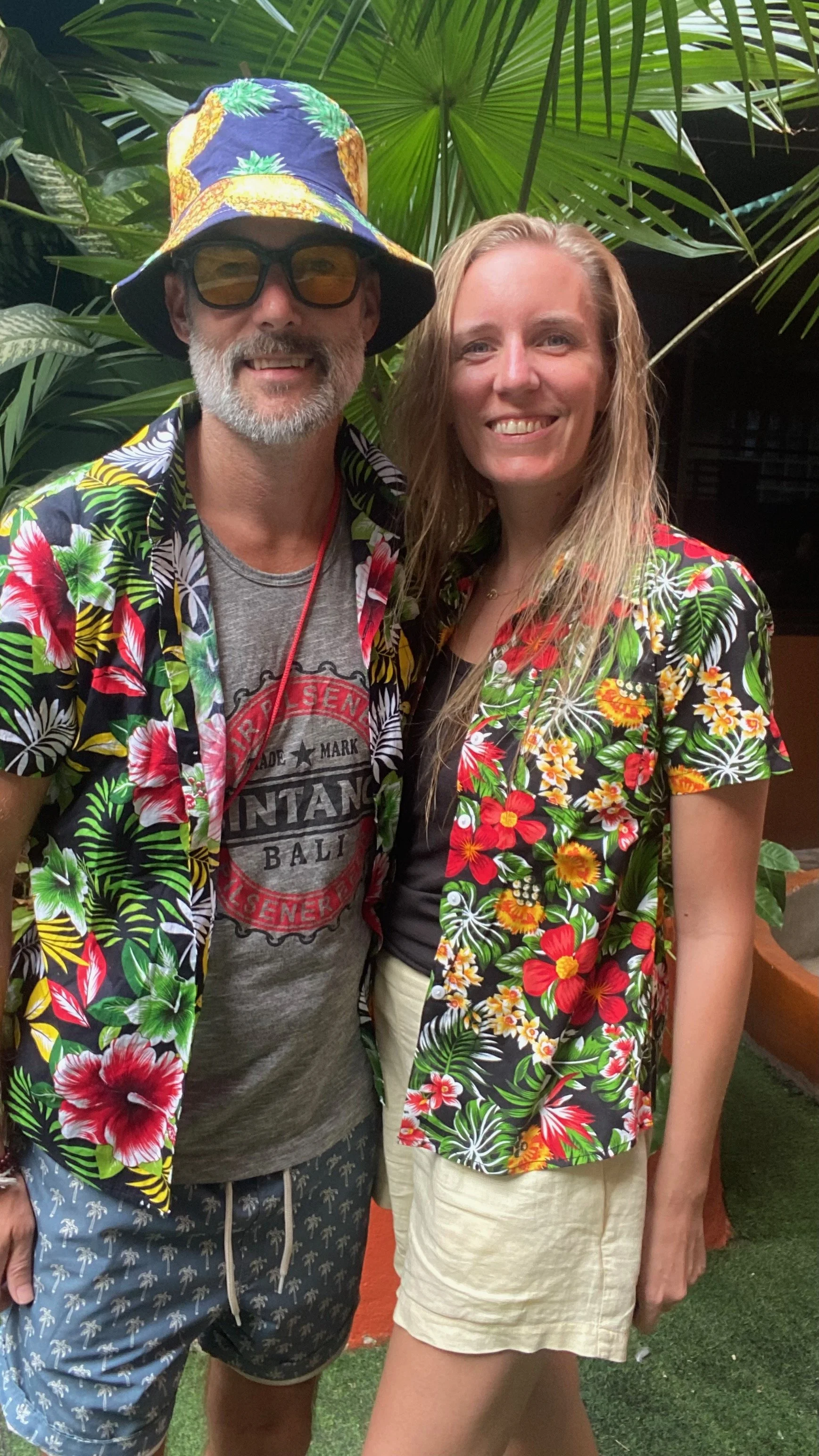
Pack a waterproof bag for your phone and valuables, wear bright floral clothing, and leave your dignity at the hotel. You won't need it.
For more on Bangkok, our guide to Bangkok covers what to see, do, and eat across the city.
Shared by Tania & Kie from Slower Travels
Dai Water Splashing Festival in Yunnan, China
It usually takes place in mid-April (around April 13–15) and marks the Dai New Year.
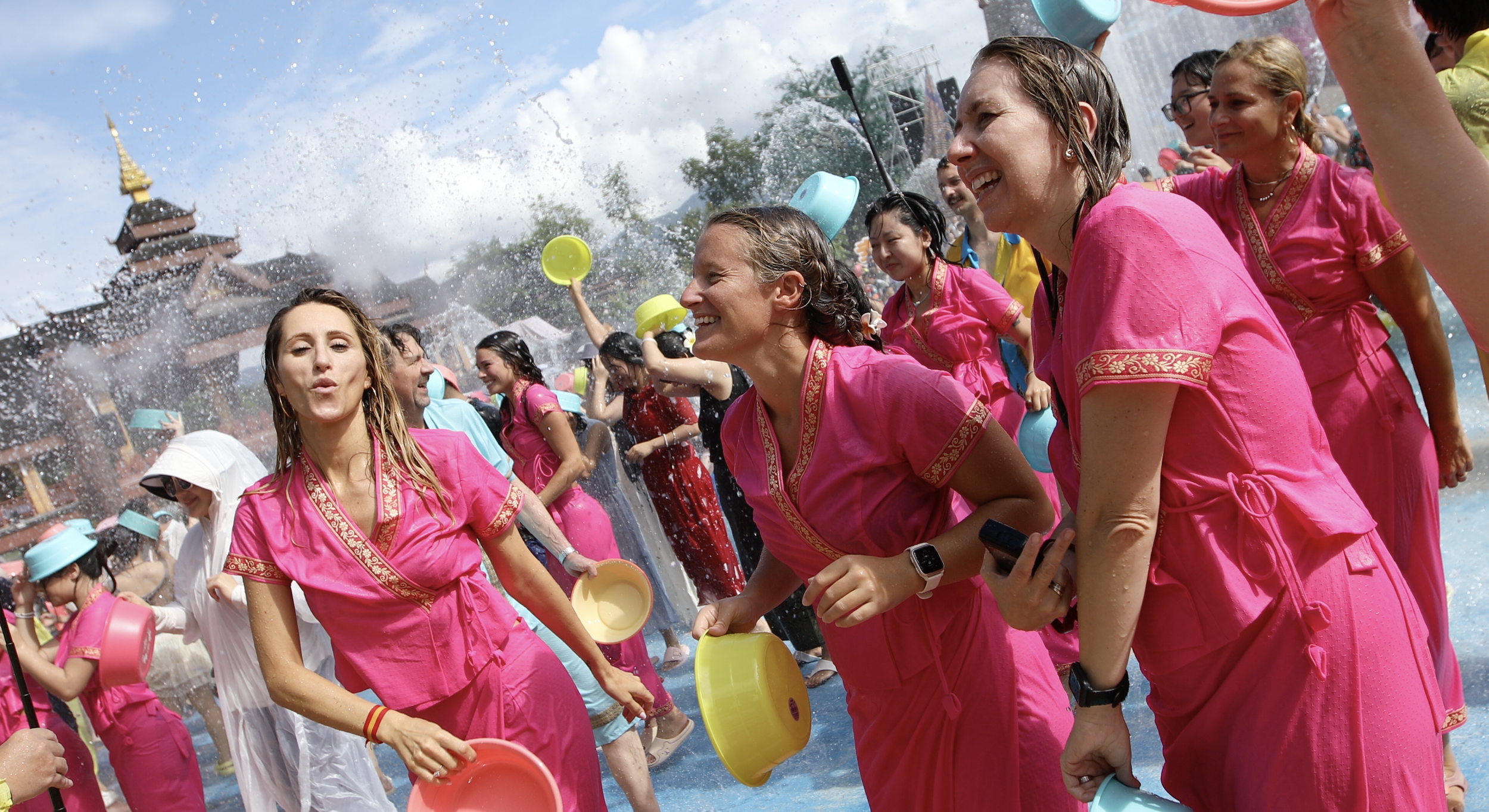
The Yunnan Dai Water Splashing Festival is the most important traditional celebration of the Dai ethnic group in Yunnan Province, China. During the festival, people believe that splashing water brings good luck, happiness, and purification for the coming year. The celebration begins with religious ceremonies in Buddhist temples, where people wash Buddha statues with clean water. After that, fun public activities begin, including water splashing in the streets with bowls and buckets, dancing, music, and traditional performances.
The main celebratory event takes place in Jinghong at the so-called 'water splashing square'. You can expect thousands of people, with many visitors and tourists joining in as well.
During the festival, many Dai people wear their traditional ethnic clothing. Women often wear colourful long skirts and fitted blouses, while men may wear loose shirts and traditional trousers or festive outfits. As a tourist, you can hire traditional clothing, meaning you'll not only be respectful but also won't get your regular clothes wet.
Shared by Alex from A Life Well Travelled.
Naha Haarii in Okinawa, Japan
The Naha Hari runs every year, May 3–5, right in the heart of Golden Week.
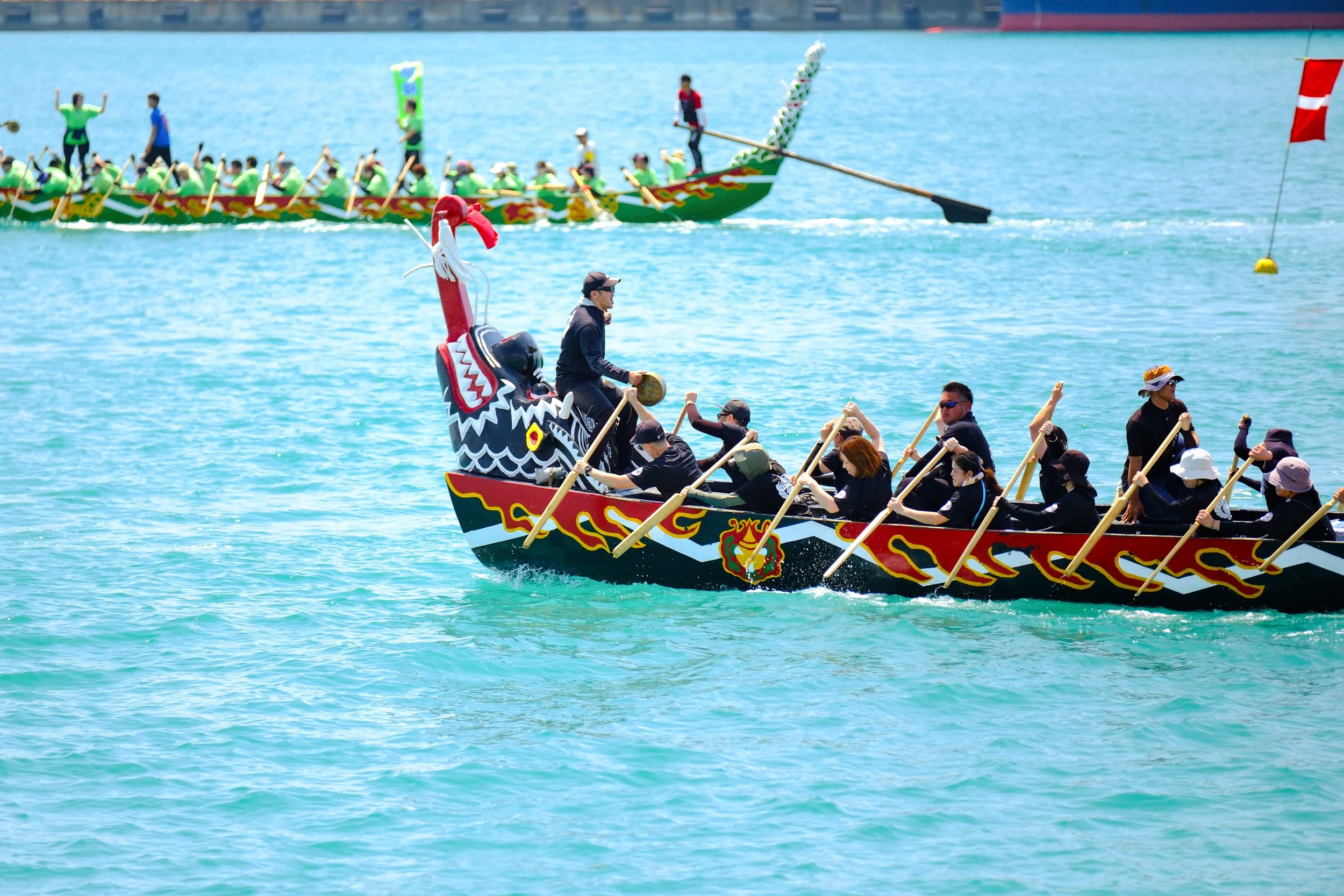
If you’re in Okinawa during Golden Week, the Naha Haarii is the one event you don’t want to sleep on. It’s rooted in the culture of uminchu, the Okinawan word for fisherman, and has been a celebration of gratitude to the sea for over 600 years. The harbour setting feels industrial at first glance, but once the races start and the drums kick in, the energy completely takes over.
This is primarily a spectator event, though day two opens boat rides to the public, so you can actually get on the water. Races run on day one and three, with live music, food vendors, and a beer garden rounding out the full afternoon experience.
Bring cash, sunscreen, and comfortable shoes. Japanese culture is rooted in mutual respect, so let elders move to the front, step back during ceremonies or prayers, and resist the urge to push forward for photos. Respectful behaviour is the norm here, and anything less will be noticed. The crowd is welcoming, and the energy is infectious; just follow their lead.
Read more about what to do in Okinawa, including how to find the races, over at Salty Vagabonds.
Shared by Amanda from Salty Vagabonds
Naadam Festival in Mongolia
The festival takes place every year from July 11 to 13.
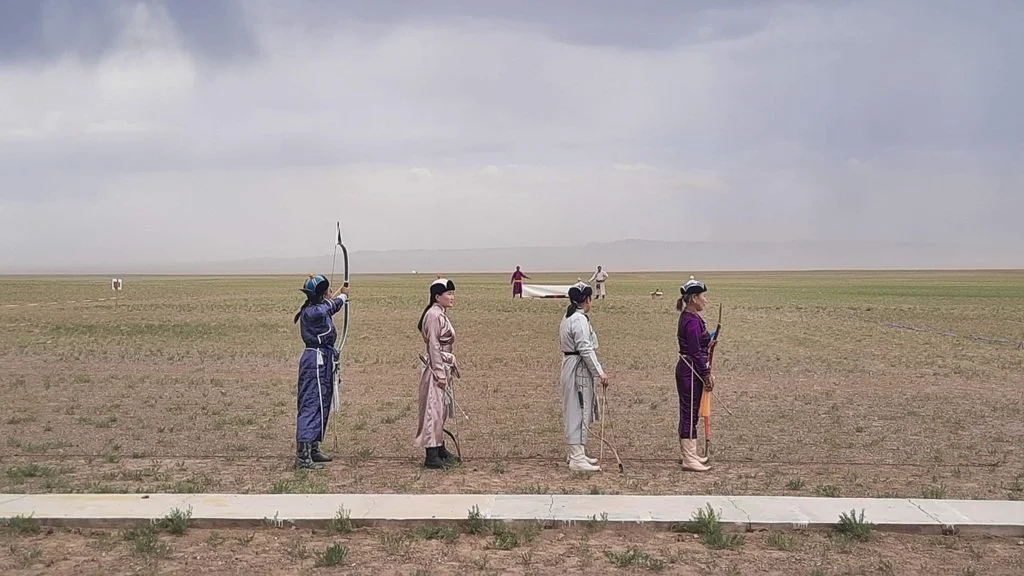
The Naadam Festival is one of Mongolia’s most important and traditional celebrations, often referred to as the “Three Manly Games.” The main and largest event held in Ulaanbaatar. However, smaller Naadam festivals are celebrated all across the country, in towns and rural areas, offering a more local and authentic experience.
Naadam showcases Mongolia’s nomadic heritage through three main competitions: wrestling, horse racing, and archery. While the capital hosts a more organised, ticketed version, attending Naadam in smaller villages can feel much more raw and genuine, and often it’s completely free. That’s exactly how I experienced it, surrounded by locals rather than crowds of tourists.
This festival is more of a spectacle to watch than to participate in. You'll spend hours watching young horsemen race across the steppe, or wrestlers perform traditional rituals before their matches, but it's all part of the cultural experience.
Bring sun protection and water, and be ready for long days outdoors, especially if you attend horse races, which usually take place outside town and can involve some walking. Dressing modestly and behaving respectfully is important, as this is a deeply cultural and national event for Mongolians.
If you’re travelling through Mongolia in July, Naadam is absolutely worth planning around. And if you can, try to attend it outside the capital for a more intimate and memorable experience.
Shared by Fernando from The Prism of Fer
Bon Odori in Japan
Dates vary each year slightly depending on the Obon calendar. In 2026, the celebrations will be held between August 13 and August 16.
If you find yourself in Japan in mid-August, you’ll likely stumble upon Bon Odori (also called Obon Odori), a summer celebration tradition tied to the Obon season. This is when families welcome the spirits of their ancestors back home.
In big cities across the country, people celebrate with huge dance circles, live performances, and lanterns everywhere. On small islands, however, the experience is very different from that on the mainland and much more intimate.
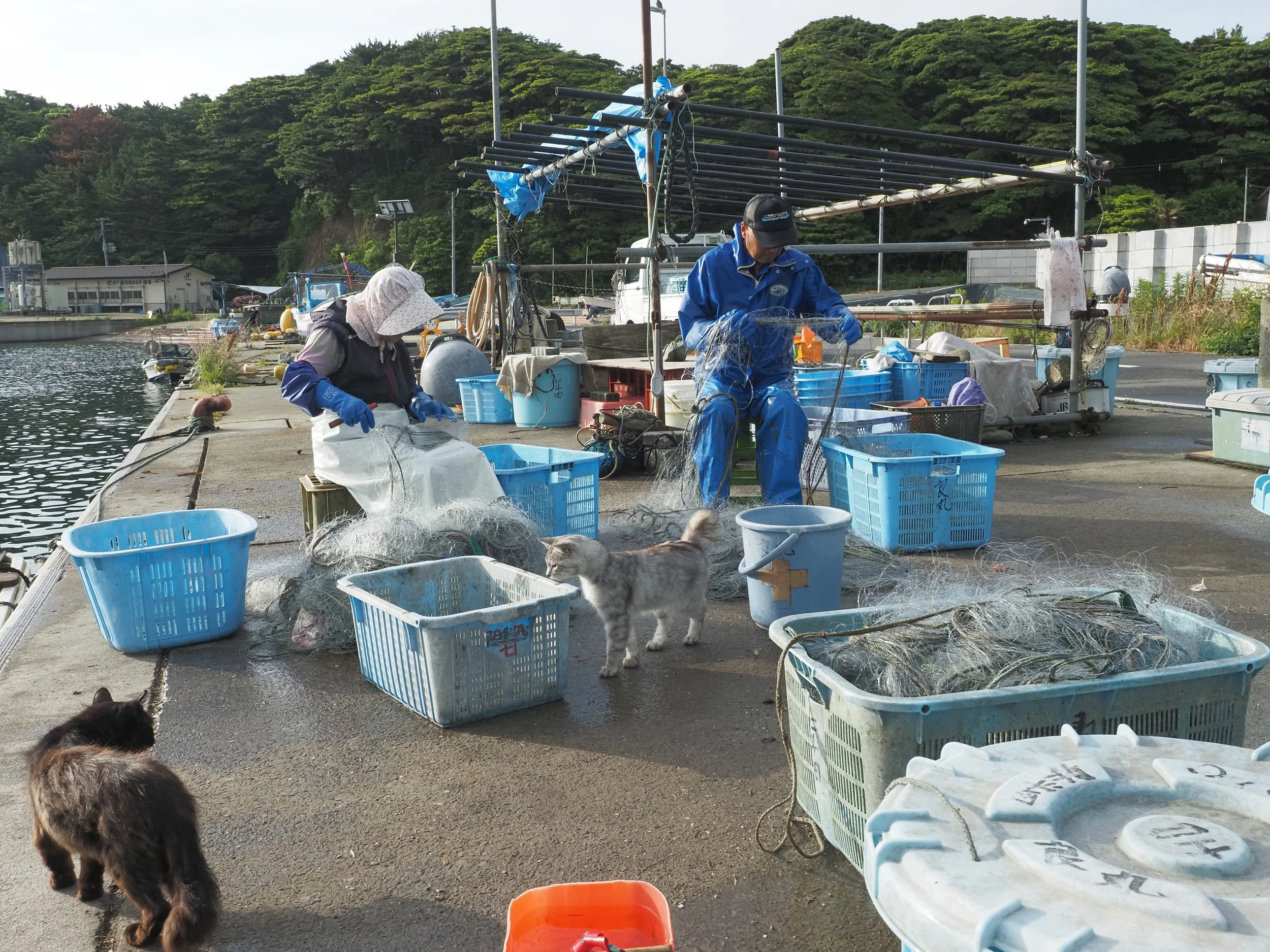
On Tashirojima Cat Island, for example, where the population is small and older, people celebrate with a small, community-led gathering in which everyone participates, including the tourists. There is a simple dance circle near the main shrine, soft lantern light, and local residents moving in an almost meditative state to traditional rhythms. There are no big stages and events here; only a small, traditional gathering.
And because there are more cats than people on Tashirojima, they often get more attention than the celebration itself. The presence of the cats also means noise is kept to a minimum, and the population asks you to do the same.
Since this is such a close-knit community, you also have to be careful not to take too many photos to respect people’s privacy and belief systems. Remember that this is as much a spiritual experience as a cultural event. Dress modestly (a light summer outfit or even a yukata if you have one), and don’t jump into the dance immediately, but watch first and join in when it feels appropriate.
Shared by Vanessa Morgan from Traveling Cats
Loy Krathong in Bangkok, Thailand
Loy Krathong takes place each year on the evening of the full moon of the 12th month of the Thai lunar calendar, usually in early November.
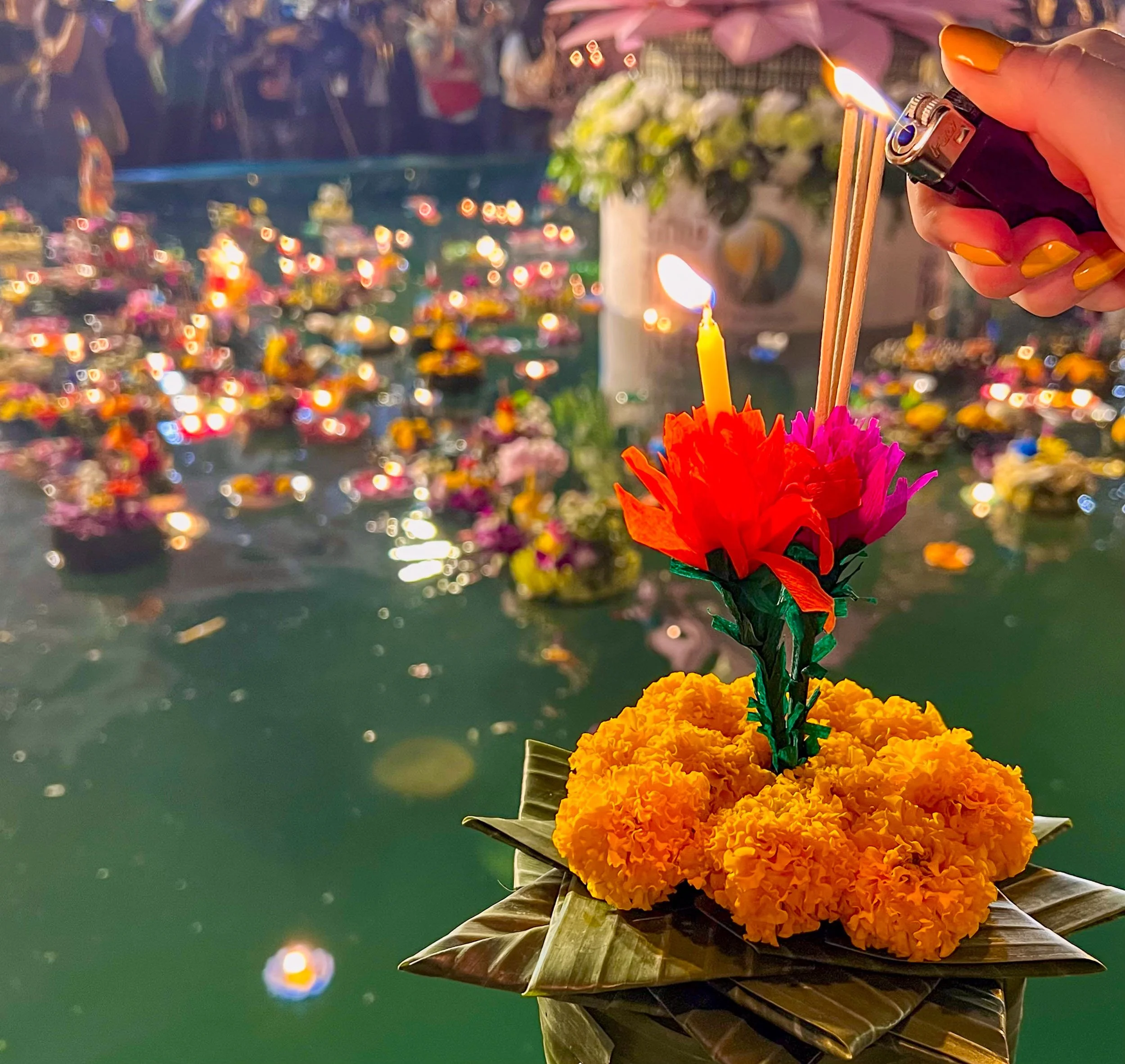
Loy Krathong is a magical Thai holiday that celebrates the joy of letting go. It's a traditional Buddhist festival, adapted from the Hindu festival of Diwali, during which both locals and tourists can buy or craft floating krathongs and release them into the water. The krathongs are made of banana tree trunks and intricately decorated with flowers, candles, and incense. When you're ready to place them into the water, you light the candle and incense while thinking of all the negativity you wish to let go of, along with the positivity and hopes you wish to bring into the next year. The story goes that if your candle remains lit until your krathong is out of sight, all of your wishes will come true! In addition to the release of krathongs, the festival is celebrated with traditional dance, beauty pageants, and fireworks, so it's a great way to experience traditional Thai culture in an immersive way - not just watching the celebration, but participating too.
While Loy Krathong is celebrated throughout Thailand, Bangkok is an excellent place to experience the festival, with events held throughout the city. We highly recommend participating in the festival at the iconic Wat Arun, with the added bonus of seeing the temple up close at night. As this is a sacred religious holiday to the Thai people, make sure to dress respectfully with knees and shoulders covered.
Shared by Meredith from Two Packs and a Pup


Every way to cross from Bali to Lombok: fast boats via Padang Bai, Sanur and Nusa Dua, the public ferry, and flights, with honest advice on which operator and route to book.