
Slow Travel: Why Staying Longer Changes Everything
This post contains sponsored content created in collaboration with our partner to provide relevant resources and inspiration to our readers. This post may also contain affiliate links, meaning we get a commission if you decide to purchase through our links at no cost to you. This helps fund Slower Travels without costing you a cent!
Travel advice tends to split into two directions: pack light and stay in hostels, or book an all-inclusive place where drinks are served by the pool. There's little conversation about what lies between those two options.
But there's another way of travelling. One where you stay somewhere long enough for things to start feeling normal, without roughing it or paying for a packaged version of relaxation.
What This Actually Looks Like
You rent a flat or cottage for a week instead of moving hotels every two nights. You find the neighbourhood market, work out which café the locals actually use, and wake up without an itinerary pulling you forward.
The places that make this work aren't the ones at the top of search results. Small guesthouses, family-run B&Bs, month-long rentals, converted farmhouses, usually run by someone who actually lives nearby. The photos are often a bit dated. No 24-hour front desk. You're staying somewhere that feels like a home, not an investment property.
Four to seven days in one place is enough for a grocery run, a favourite table at the corner café, and a few familiar faces. Two nights isn't.
The cost tends to land somewhere in the middle, too. Perhaps $50 –100 a night instead of $25 or $300. You're paying to be somewhere, rather than paying for things you'll barely use.
Why Water Changes Everything
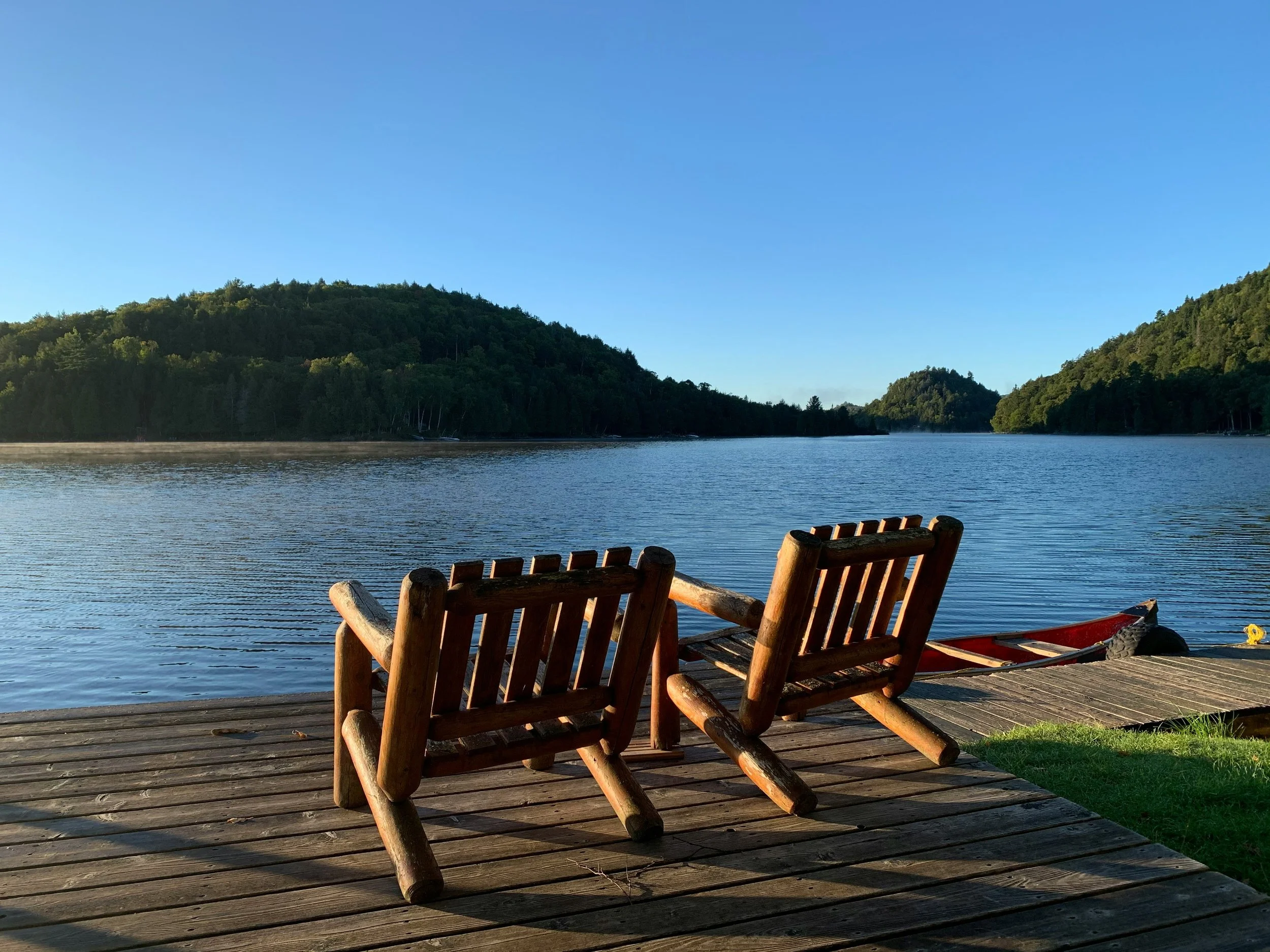
Some of the best slow travel we've done has been built around water. There's something about being near a lake or a river that naturally slows the pace; you stop optimising your days and start just existing in them.
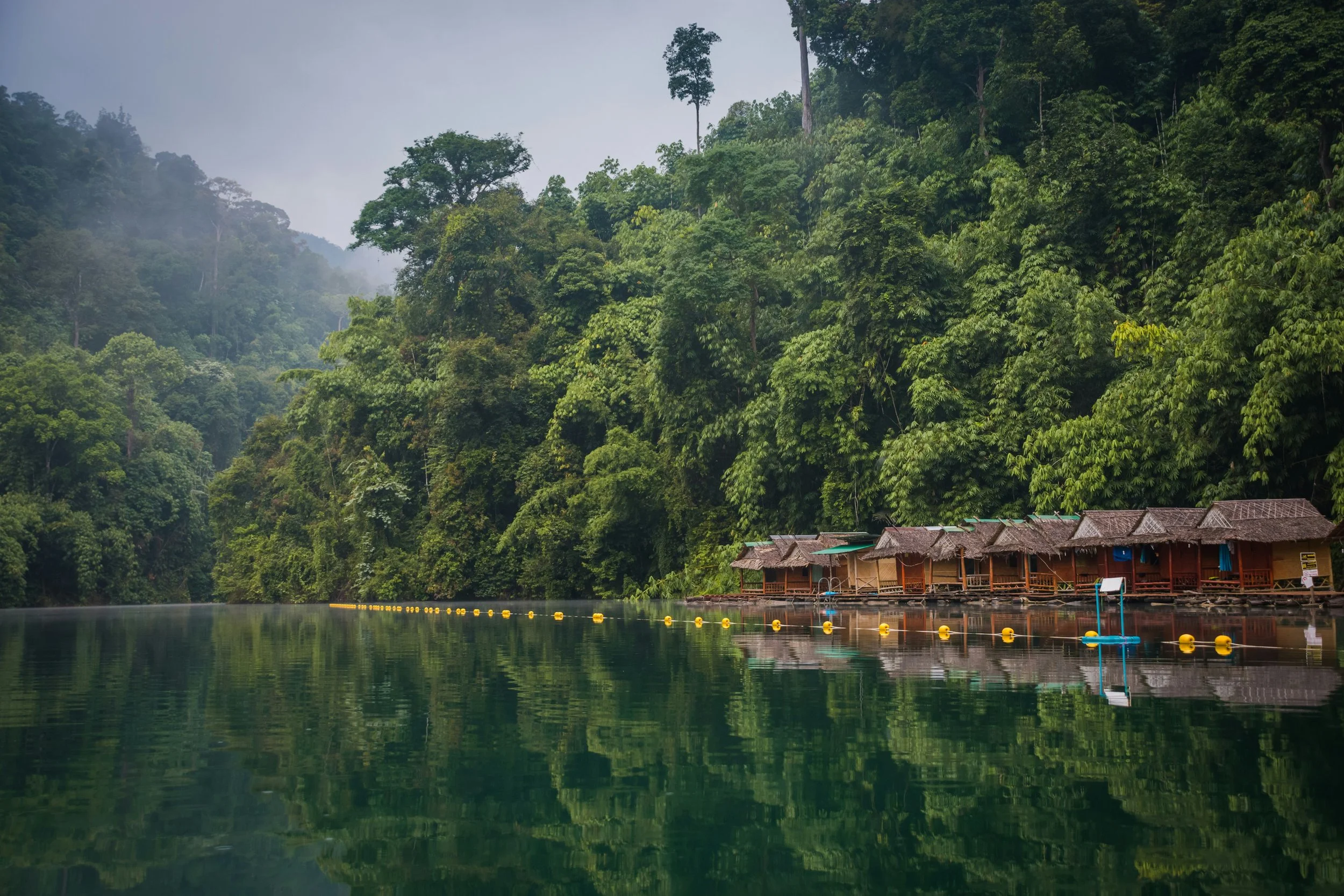
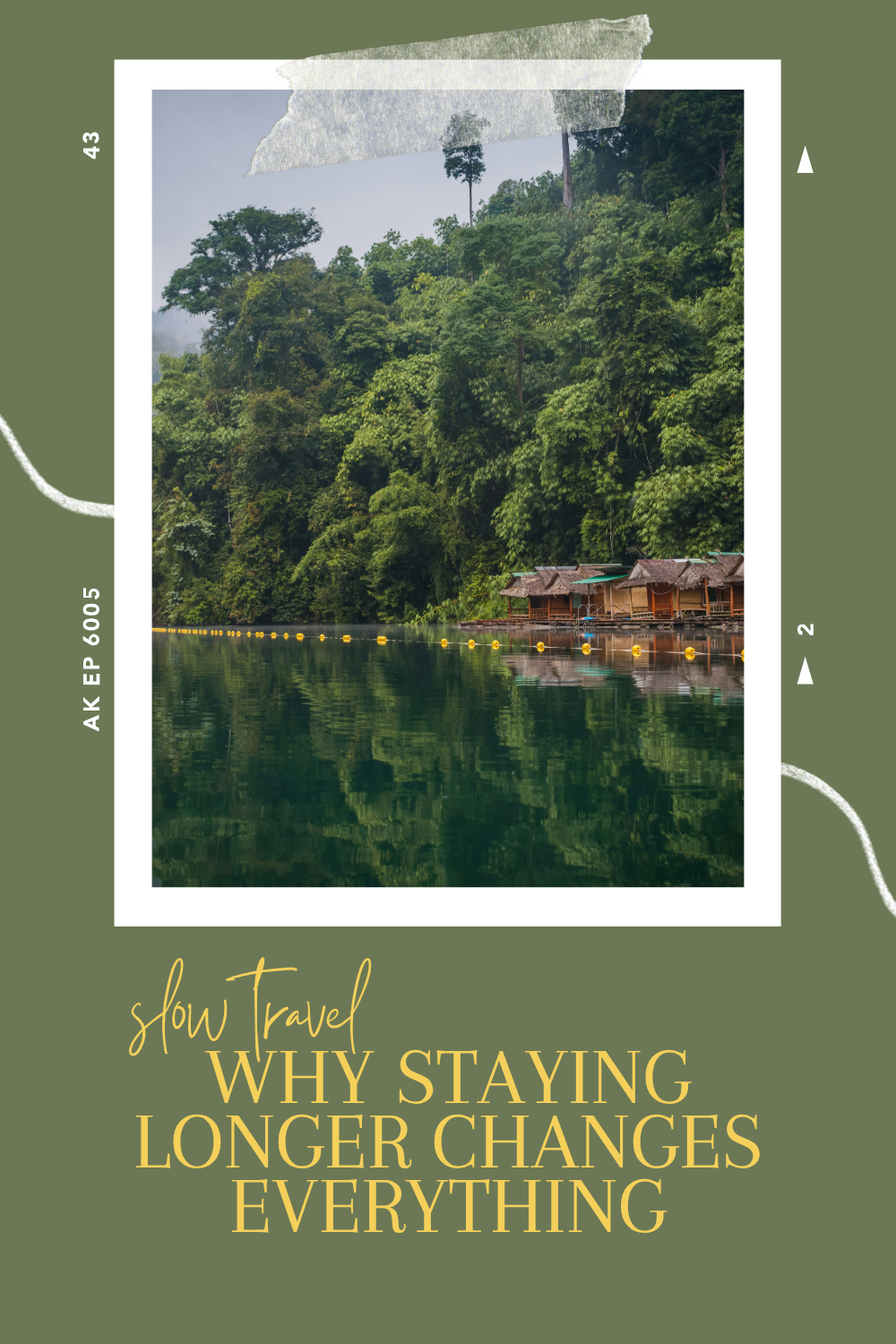
Khao Sok National Park in Thailand is a good example. Most people rush through on a one-night floating bungalow tour, but stay a few days around Cheow Lan Lake, and the rhythm changes completely. The jungle comes right down to the water's edge, there's no mobile signal worth speaking of, and the only real decision each morning is whether to kayak before or after breakfast.
Lake Toba in Sumatra is another. We spent a month in this little village, but you could easily include it in an Indonesian itinerary. Samosir Island, which sits in the middle of the lake, is itself the crater of an ancient supervolcano. It's the kind of place that makes rushing feel not just unnecessary but genuinely strange. You slow down because the place insists on it.
Even on more active trips, water sets the tone. The Kashmir Great Lakes Trek moves through a chain of high-altitude lakes, and the campsites beside them, with nothing but mountains and still water, are where you feel the pace of the trip shift.
Why Regional Places Make This Easy
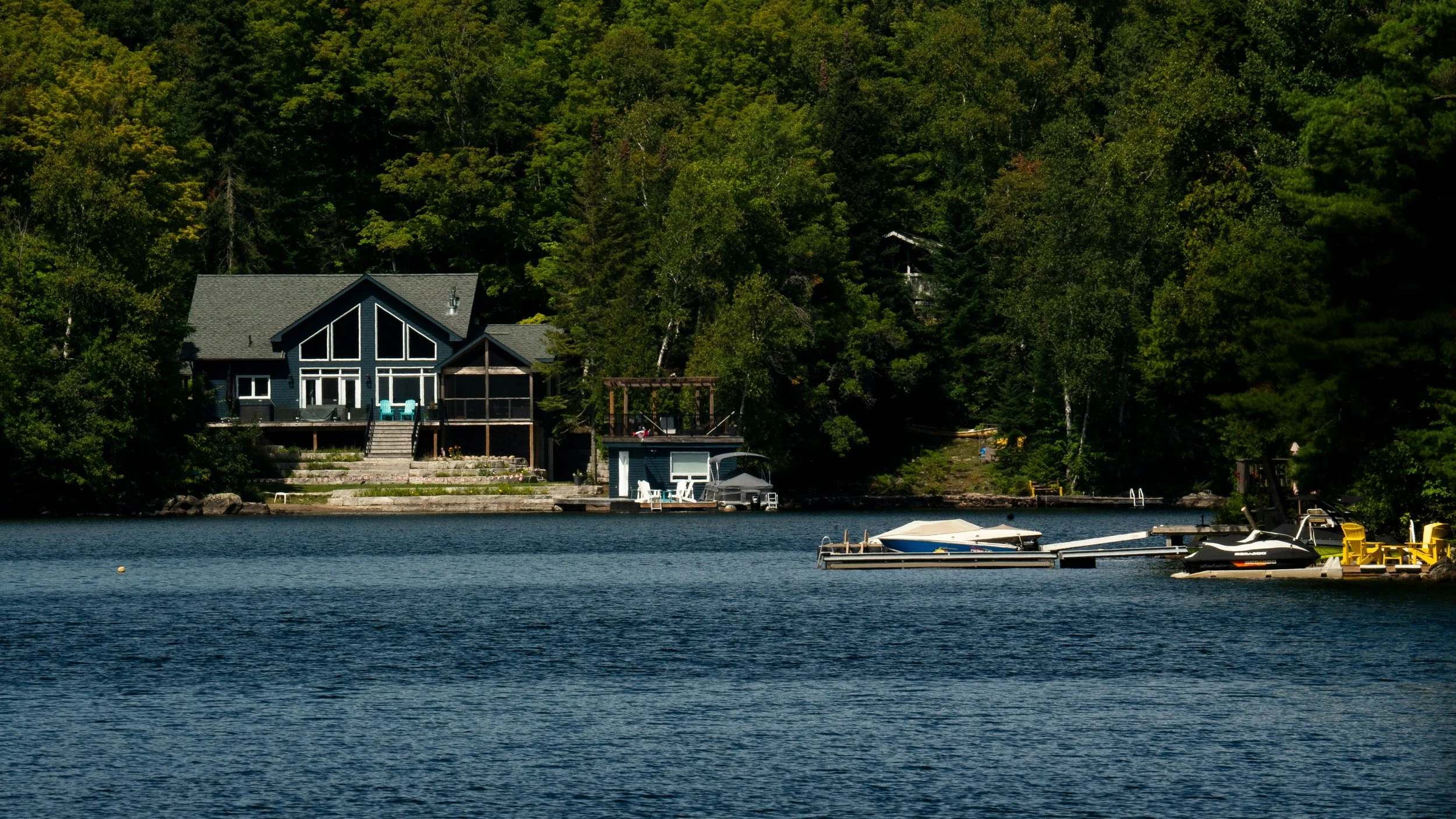
You don't need to fly off to somewhere exotic for this kind of trip. It works particularly well in places that already move slowly, somewhere with enough to keep you interested, without the theme-park tourism of the major destinations.
What You Notice When You Stop Rushing
When you're moving every two days, you don't learn that the bakery sells out by eight in the morning, or that Tuesday is market day. You don't stay long enough to care.
Stay a week, and things shift. The waitress asks if you want the usual. The woman at the farmers' market puts the good tomatoes aside for you. Someone mentions a local event that isn't in any guidebook.
It also changes how you feel when you come home. Moving constantly is tiring; you end up needing a break after the trip. After a week of making your own coffee, going for walks, and cooking dinner in the evenings, you come home rested in a different way.
How to Try It
Pick one place you're curious about and book a week. Not a hotel, a rental with a kitchen and a living room.
Don't over-plan. Have two or three things you'd like to do and leave the rest open. Some days you'll explore; others you'll realise at two in the afternoon that you haven't left the property, and that's fine.
Shop locally. Hit the market, the bakery, the corner shop. Cook a few meals. Ask someone how to use an ingredient you don't recognise. Stay offline more than you feel comfortable. Let yourself be bored, that's usually when you notice things.
The Point
The middle ground between backpacking and resorts isn't glamorous. Nobody writes guidebooks about it. But it's where travel stops feeling like something to get right and starts to settle in.
You come home a little out of sync with your old pace, less in a rush, slightly less convinced that busy means better.


Every way to cross from Bali to Lombok: fast boats via Padang Bai, Sanur and Nusa Dua, the public ferry, and flights, with honest advice on which operator and route to book.