
Shanghai Itinerary: 4 Days of Culture, Food & Hidden Corners
This post may contain affiliate links, meaning we get a commission if you decide to purchase through our links at no cost to you. This helps fund Slower Travels without costing you a cent!
We're so excited to bring you this guest post from Molly Clayton of Hooked on Hiatus — a travel blogger and mum who has been exploring the world with her little ones in tow. Shanghai has been on our radar for a while, and Molly knows it better than most.
From towering skyscrapers to the famous maglev train, Shanghai has a reputation for speed. But look a little closer and you'll find a city with genuine quiet hidden beneath the surface — ancient gardens, tree-lined French Concession streets, and water towns that feel worlds away from the skyline. Four days in Shanghai is the perfect amount of time to take in the iconic sights without rushing, and China's expanding visa-free programme makes it easier than ever to visit. Check out my full guide on planning your trip to the mainland for all the logistics.

Molly in China
Day 1: Downtown and the Huangpu River
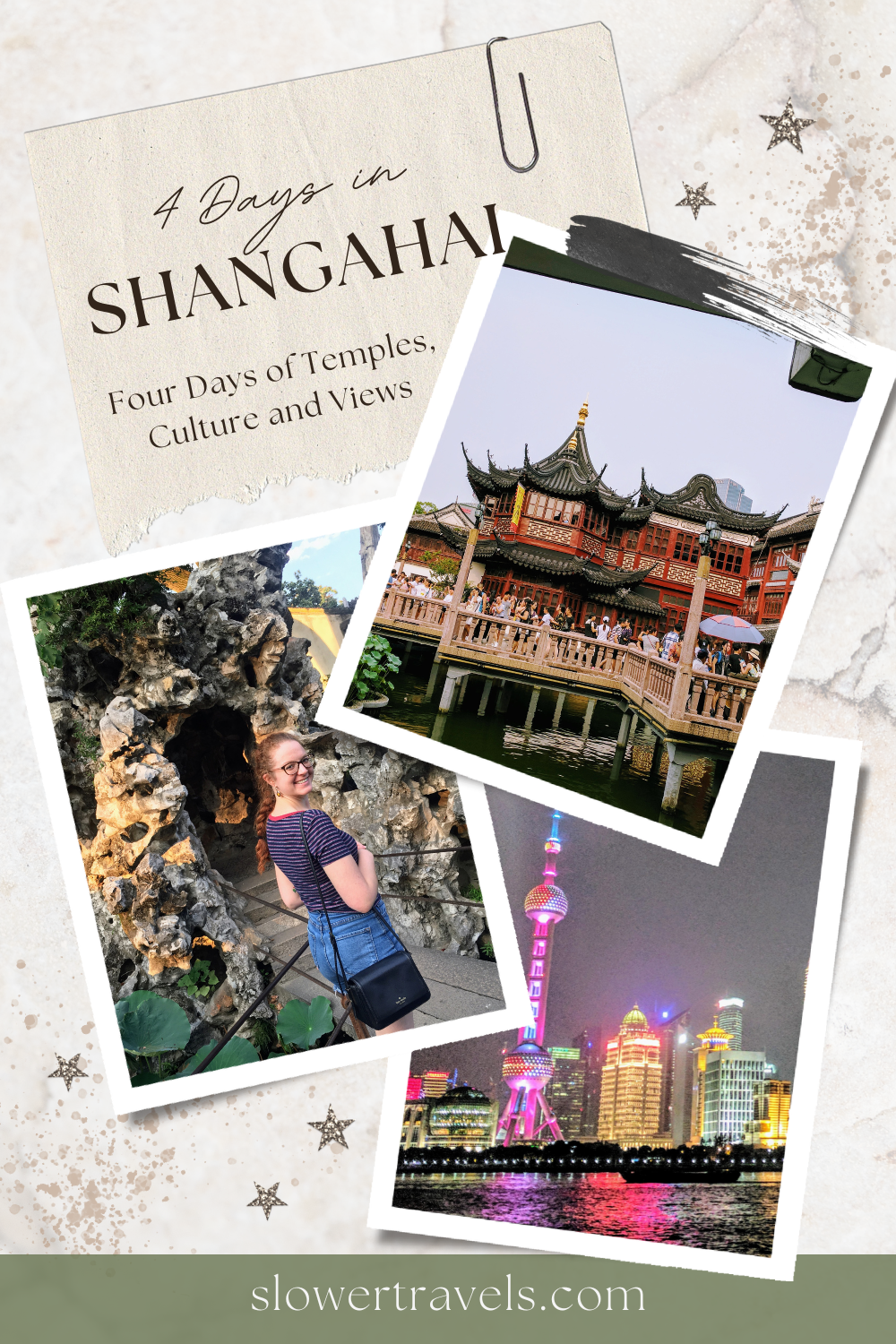
Start your day in the Yu Garden and Old Town. Arrive early to beat the crowds so you can actually appreciate the Ming Dynasty architecture of the area.
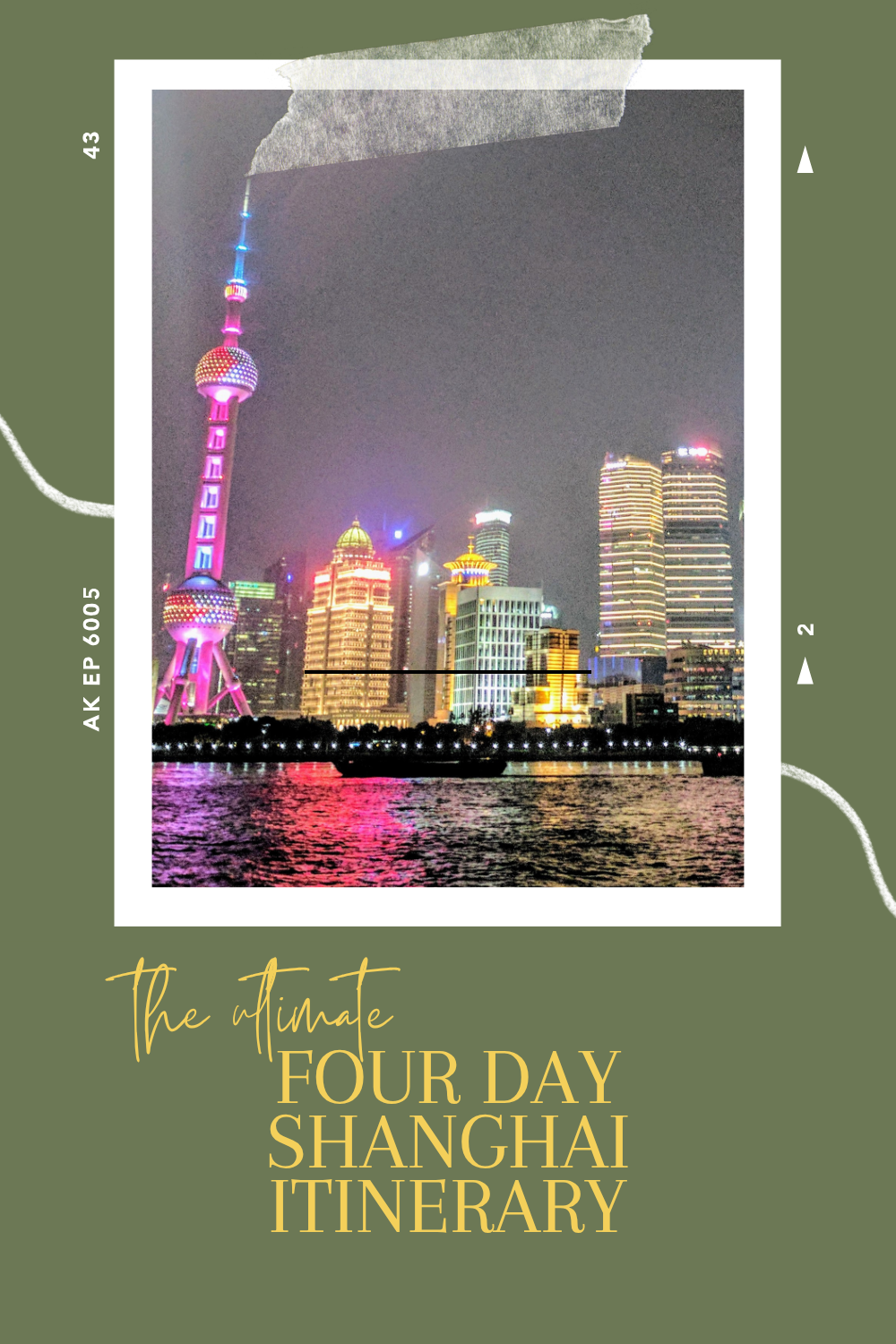
I highly recommend taking the Huangpu River ferry from the Huangpu District to the Pudong District. You’ll get fantastic views of the Bund for an incredibly affordable 2RMB! This service runs frequently, and nearly all day, so you can choose to cross at sunrise, sunset, or anywhere in between.
While it can be crowded on weekends, take the elevator up to the 100th floor of the Shanghai Financial Center. You get stunning views of the city, the Huangpu River, and, on a clear day, even the Yellow Sea.
Take time to explore the Bund area on foot in the evening. You’ll see the city transition from the daytime green flora to the neon-lit signs that are so famous in the area.
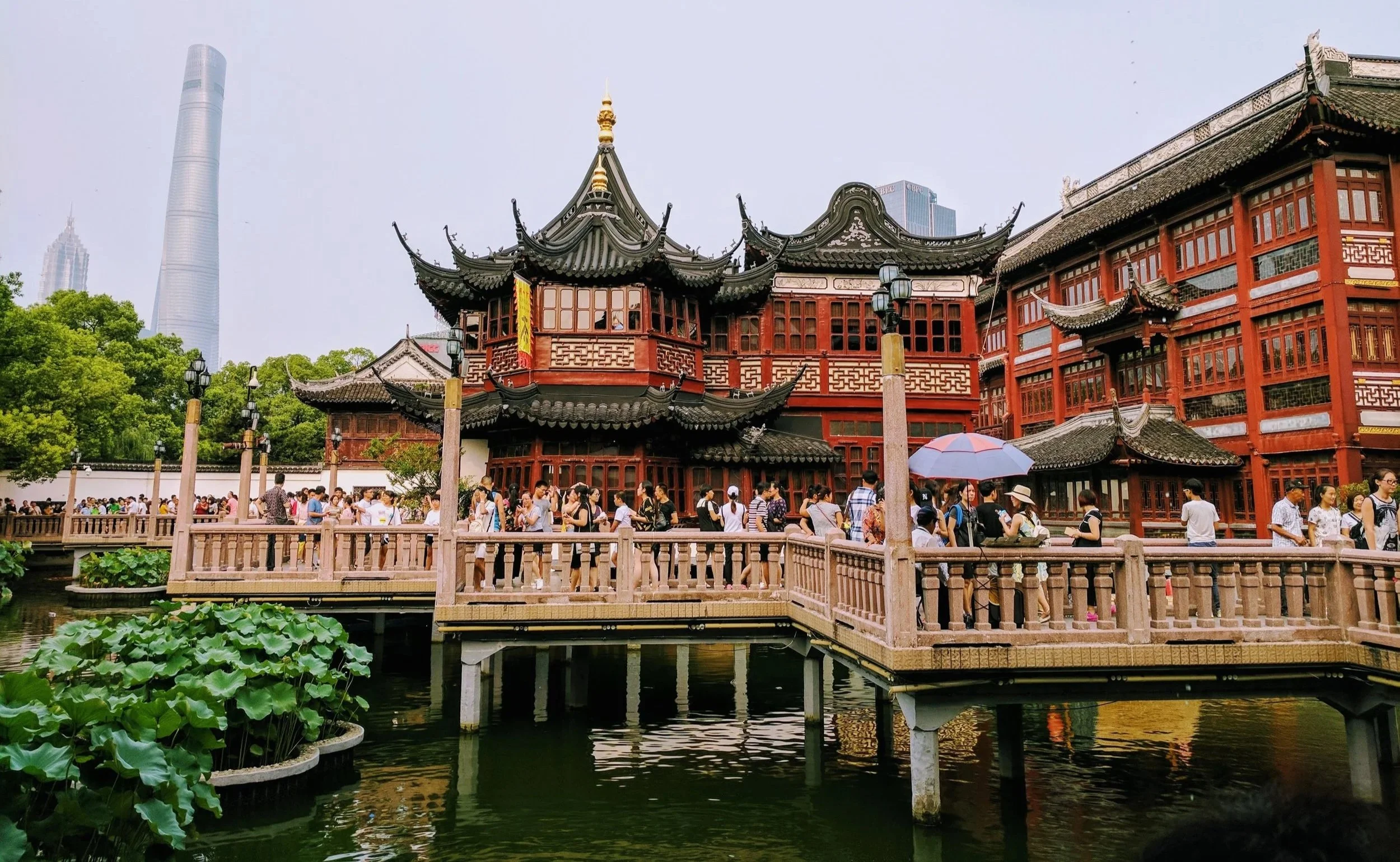
Yu Garden
Day 2: Jing’an and the French Concession
In the morning, head to Jing’an Park. You’ll find tons of sculptures to admire as you stroll around. And you’ll also see groups of people dancing (mostly retired ladies) or performing tai chi (mostly retired men).
Even though it’s located in the middle of the city, you can find peace in the Jing’an Buddhist Temple. The temple gates somehow block out the buzz of the city life right outside the door. You’ll be greeted with a cloud of incense, and will see the intricate, gold-leaf-covered architecture of the temple. Make sure you stop for lunch at the Jing’an Vegetarian Restaurant on-site.
Later, get lost in the Tianzifang alleyways in the French Concession. The fun part is seeing the stone gate houses (shikumen) with traditional guardian lions or dragons. This area is known for its cafes, bars and little shops, but you’ll also find amazing street food vendors and local artisans selling their wares.
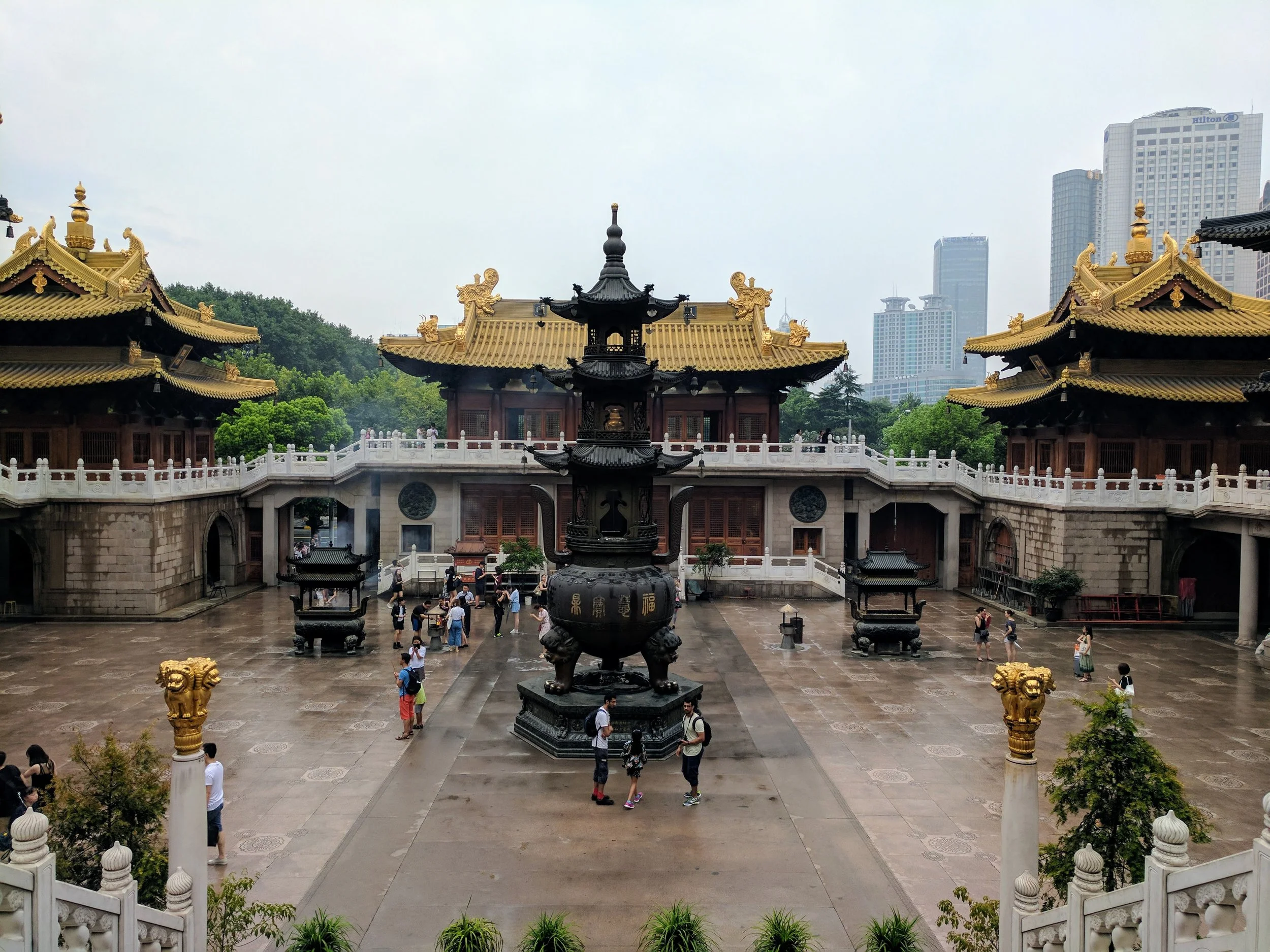
Jing’an Temple
Day 3: Nanjing Road and People’s Square
Nanjing Road is one of the most popular pedestrian streets in Shanghai. With modern mega stores, bright malls and traditional food stalls, there’s something for everyone here. You’ll even find traditional Chinese medicine stalls selling cures for any ailment under the sun. This street is great for people watching, but it can get very crowded on weekends, so aim for a weekday morning.
Fuzhou Road runs parallel to Nanjing Road, and is another popular shopping pedestrian street, but is considerably less crowded. Fuzhou Road is known for its numerous bookstores and stationery stores, plus tons of street food options, especially around dinner time.
Both Nanjing Lu and Fuzhou Lu lead to People’s Square. This park is home to the infamous weekend marriage market, where parents post photos and descriptions of their adult children in hopes of finding a match. During the week, it’s a great green space to wander through.
Nearby, explore the Jade Buddha Temple for another temple experience (and the on-site restaurant), or visit the Shanghai Museum to see ancient Chinese artefacts and art.
No visit to this part of the city is complete without a detour to Wukang Mansion. This iconic Art Deco building sits at the intersection of Wukang Road and Huaihai Road, and the surrounding streets are some of the most photogenic in Shanghai — lined with plane trees, independent cafés, and boutiques that reward slow exploration.
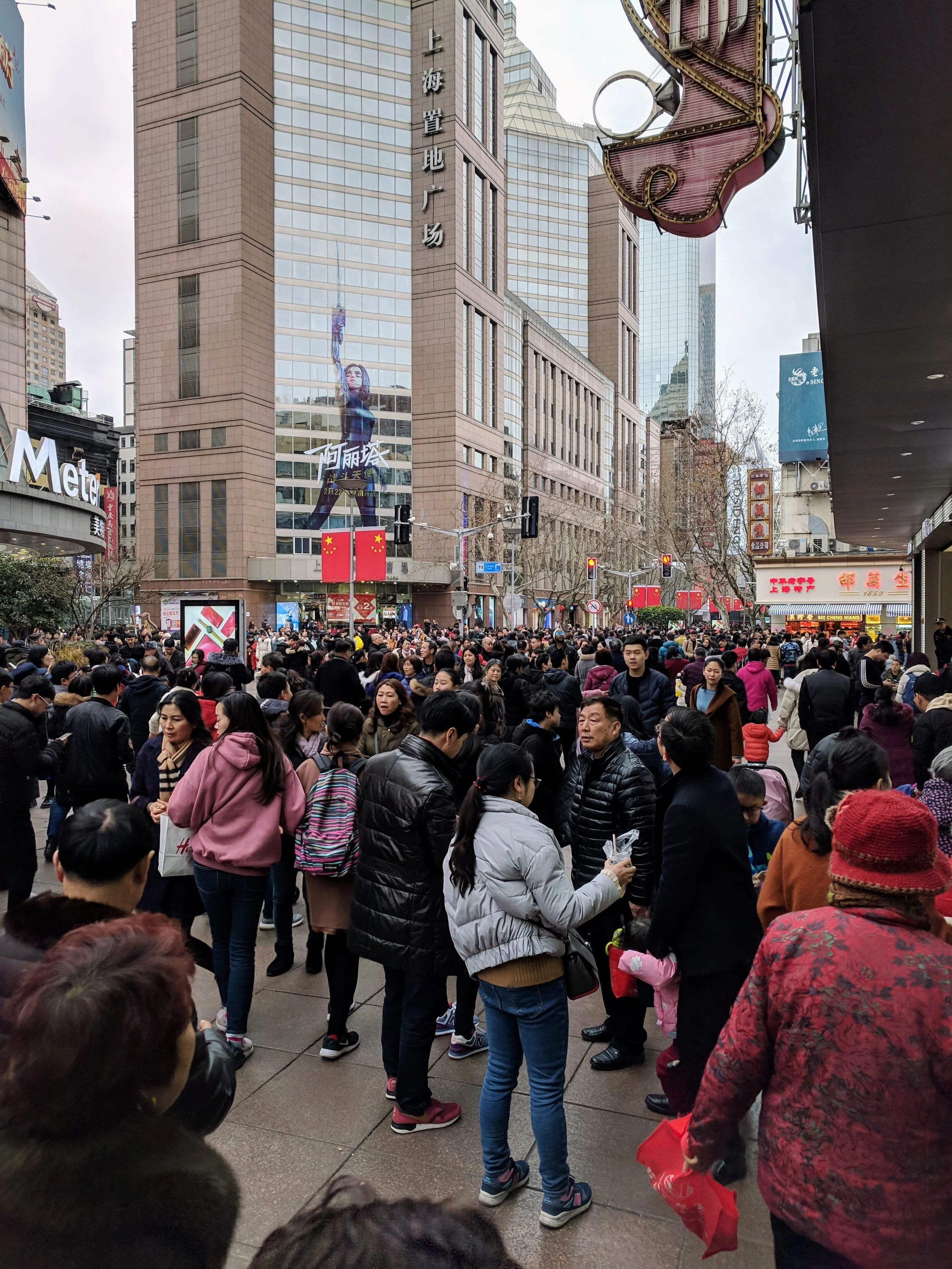
Nanjing Road
Day 4: Water Town Day Trip
In an effort to reduce the smog and pollution, Shanghai has been making great strides towards sustainability and becoming a greener city. You’ll see lots of trees and plants in the medians, along sidewalks, and really anywhere there’s a square inch without cement. There are also many public parks with tons of green space throughout the city, making it easy to “escape” the concrete jungle.
To get more into nature, while still staying in the city, check out one of the many water towns within the greater Shanghai area.
Nicknamed “Venice of the East,” Zhujiajiao is one of Shanghai's most popular water towns. You can easily access this town by metro. Then take a ride in the traditional hand-rowed gondolas. Pay your guide directly to make sure the money stays local!
Nearby, Kezhi Garden offers a traditional Chinese garden experience with a central pond surrounded by rocks and plants, and plenty of beautiful bridges.
Alternatively, Qibao Ancient Town is closer to the heart of Shanghai, leaving more time to explore leisurely. The Qibao Temple has a large pagoda that you can’t miss, and you’ll see elderly people sitting around playing xiangqi (Chinese chess). A lively street food scene makes this a great area for foodies, which really comes alive at night.
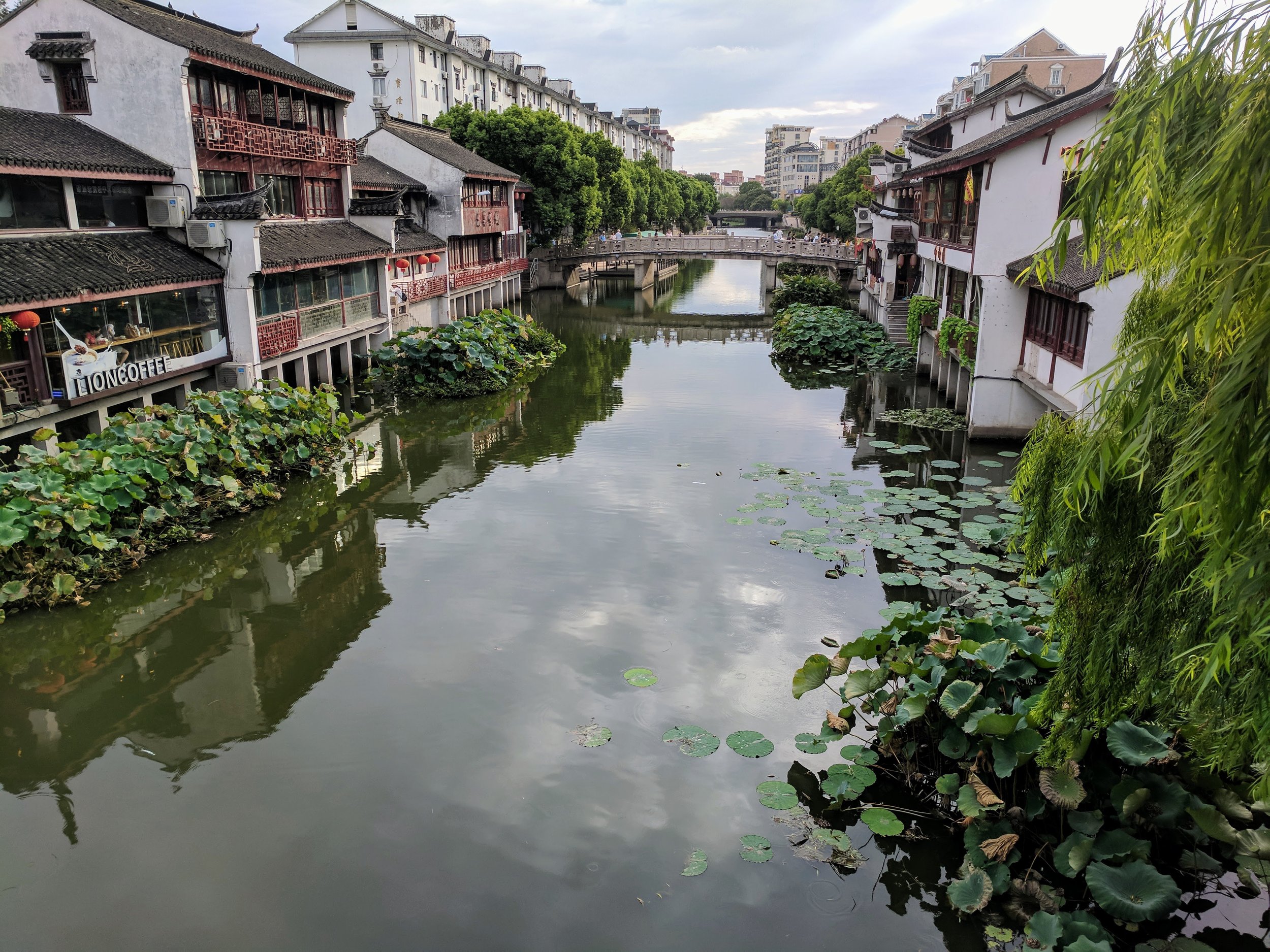
Qibao Ancient Town
Tips for Shanghai
Getting Around
The metro network in Shanghai is extensive and very easy to use. It’s great for travelling longer distances around the city.
Public bike rentals are also incredibly easy. Download the Alipay app, then scan the QR code to unlock a yellow Meituan bike. Drop it off wherever you land and stop the ride in the app. There are no specific drop-off locations, and you’ll see plenty of bikes around, especially near metro stops!
The taxis in Shanghai are very safe, whether you hail one on the side of the street. Or you can use the ride-share app, Didi.
Apps to download
First things first, Google and Meta apps are banned in China. But don’t worry - China has an alternative for any app you need.
Here are just a few apps you’ll need to get started in the country:
Download Amap, or Apple Maps for iPhone users, to make your way around the city. Even if you use a VPN to get around the Great Firewall of China, you’ll find that Google Maps is inaccurate because it just doesn’t have the data.
China is a mostly cashless country, so make sure you download Alipay to make purchases there. You’ll find that many tiny street food vendors who pull their stoves on bicycles don’t accept cash either! The Alipay app also has mini-apps, such as Meituan bike rentals and the ride-sharing service Didi.
Install the DeepL Translation app, and download Chinese for offline use before you arrive in the country. The camera function will allow you to scan menus and translate in real time.
Tea Culture
China’s tea culture dates back over 5,000 years, so you must try some tea! Oolong and pu’erh teas are popular ways to start your day with caffeine, but many herbal teas exist as well. Typically served in small pots, tea leaves will be steeped several times before being thrown out, and typically, the first brew is only used to “clean” the leaves.
Pro tip: the best tea houses are the ones that don’t sell any wares, and only use their indoor space to store their tables and chairs. They’ll set up a table and chair for you on the sidewalk (or road) when you order.
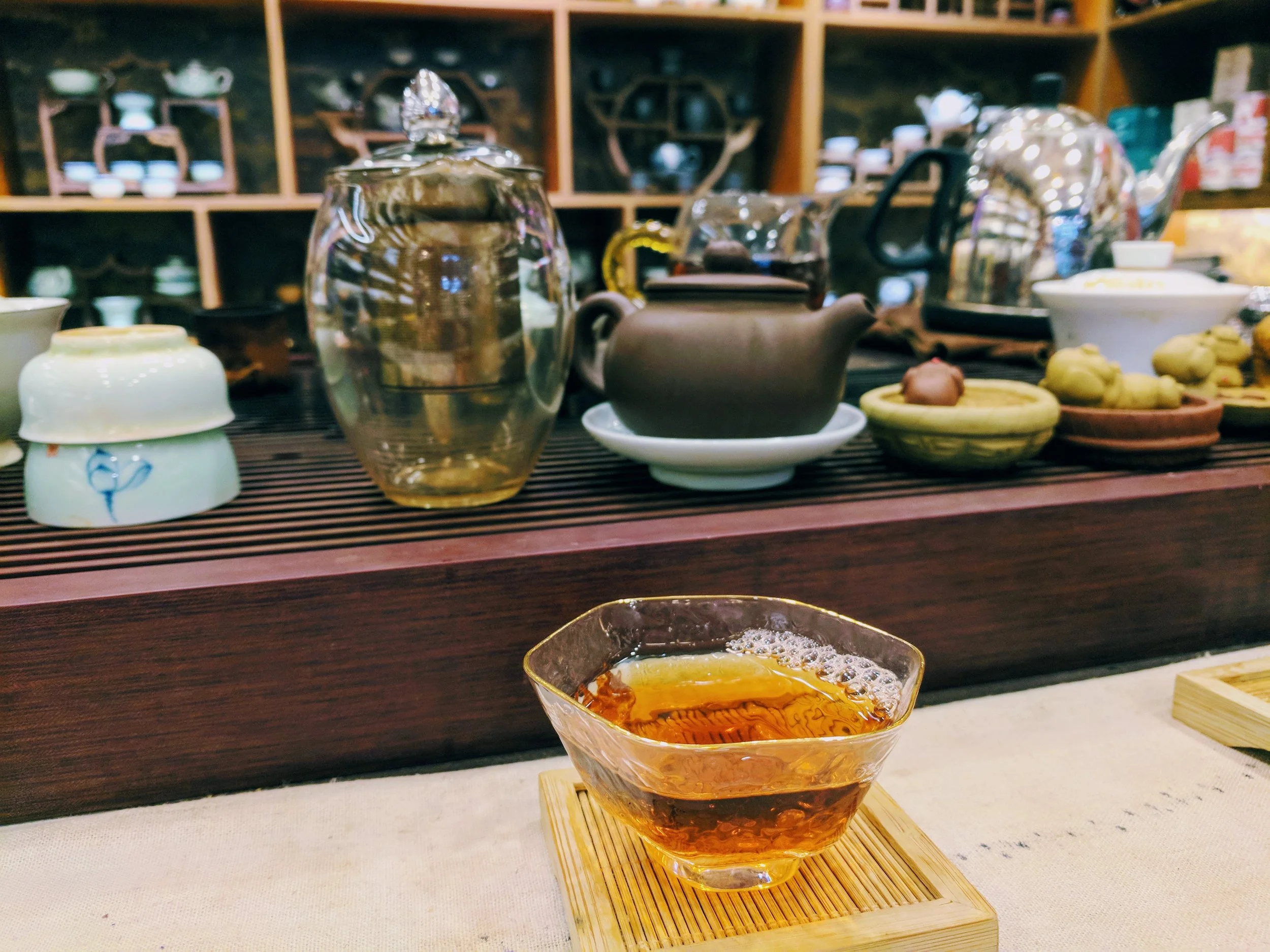
Tea House
Eating Veg
Chinese cuisine features plenty of veggies, but meat is often used to flavour dishes. Even what you think is just an order of veggies or a tofu entree may have tiny bits of meat cooked in with it to give it depth.
Thankfully, there are many modern vegetarian restaurants around the city. These are often in trendy buildings with a very cosy atmosphere. You can even find vegetarian hot pot restaurants serving mock meat!
For a more traditional vegetarian meal, seek out Buddhist temples. All Buddhist temples in China are strictly vegetarian and offer excellent meals at affordable prices. You’ll find simple meals are incredibly fresh and delicious, using local, seasonal ingredients. Plus, all proceeds go toward the upkeep of the temple, preserving the country's ancient roots.
Note that most Chinese people are lactose intolerant, so very few traditional foods contain dairy. For vegans, your main concern will be eggs.
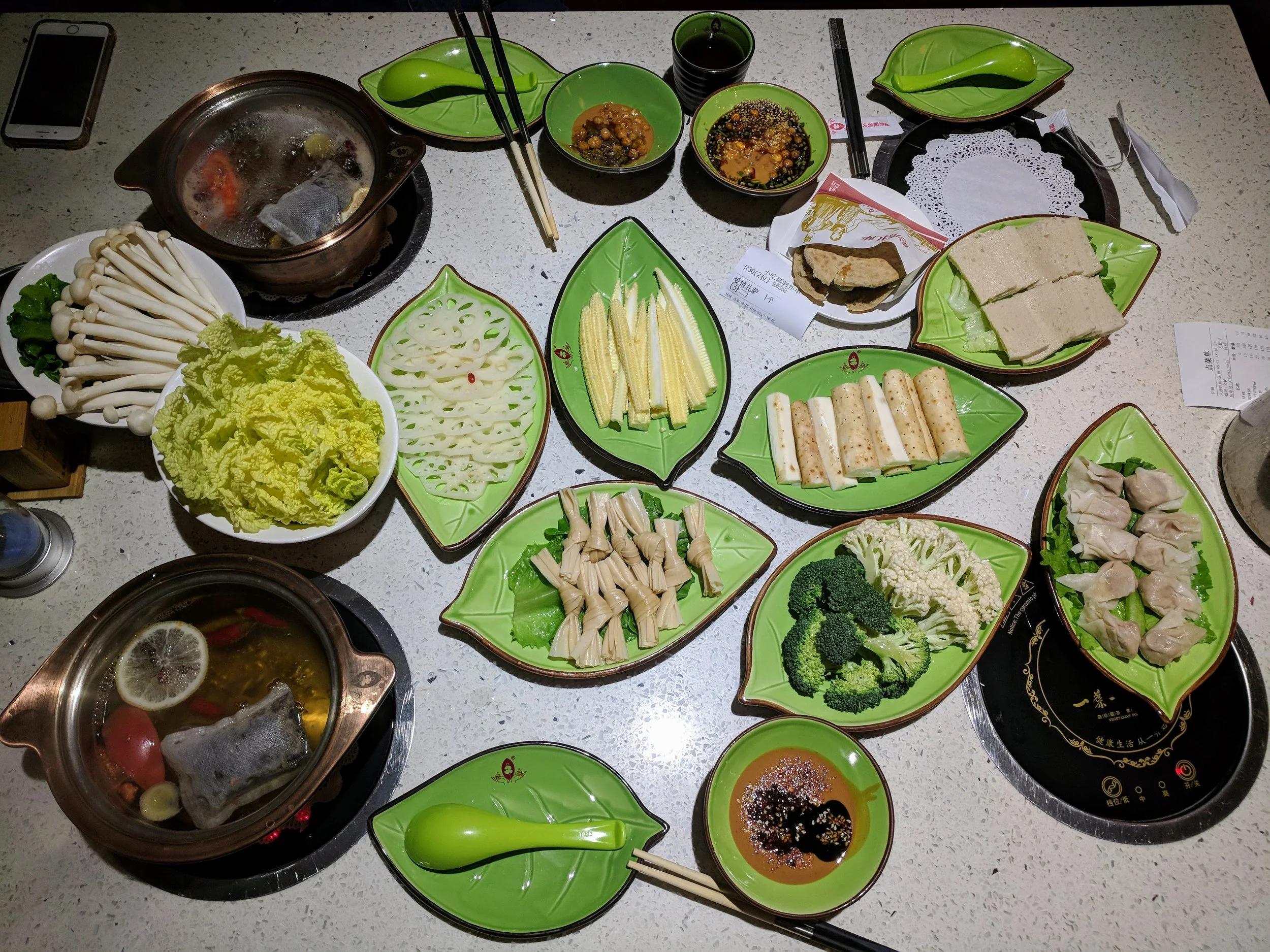
Vegetarian Hot Po
Frequently Asked Questions About Visiting Shanghai
Do I need a visa to visit Shanghai?
China has been expanding its visa-free access in recent years, and depending on your passport, you may be able to enter without a visa for up to 30 days. It's worth checking the current requirements for your nationality before you travel, as the policy is evolving quickly. Molly has a full breakdown in her planning your trip to China guide.
Is 4 days in Shanghai enough?
Four days gives you a genuine feel for the city without rushing. You'll cover the major landmarks, have time to get lost in the quieter neighbourhoods, and still squeeze in a day trip to one of the water towns. If you have longer, Shanghai rewards it — but four days is a satisfying visit.
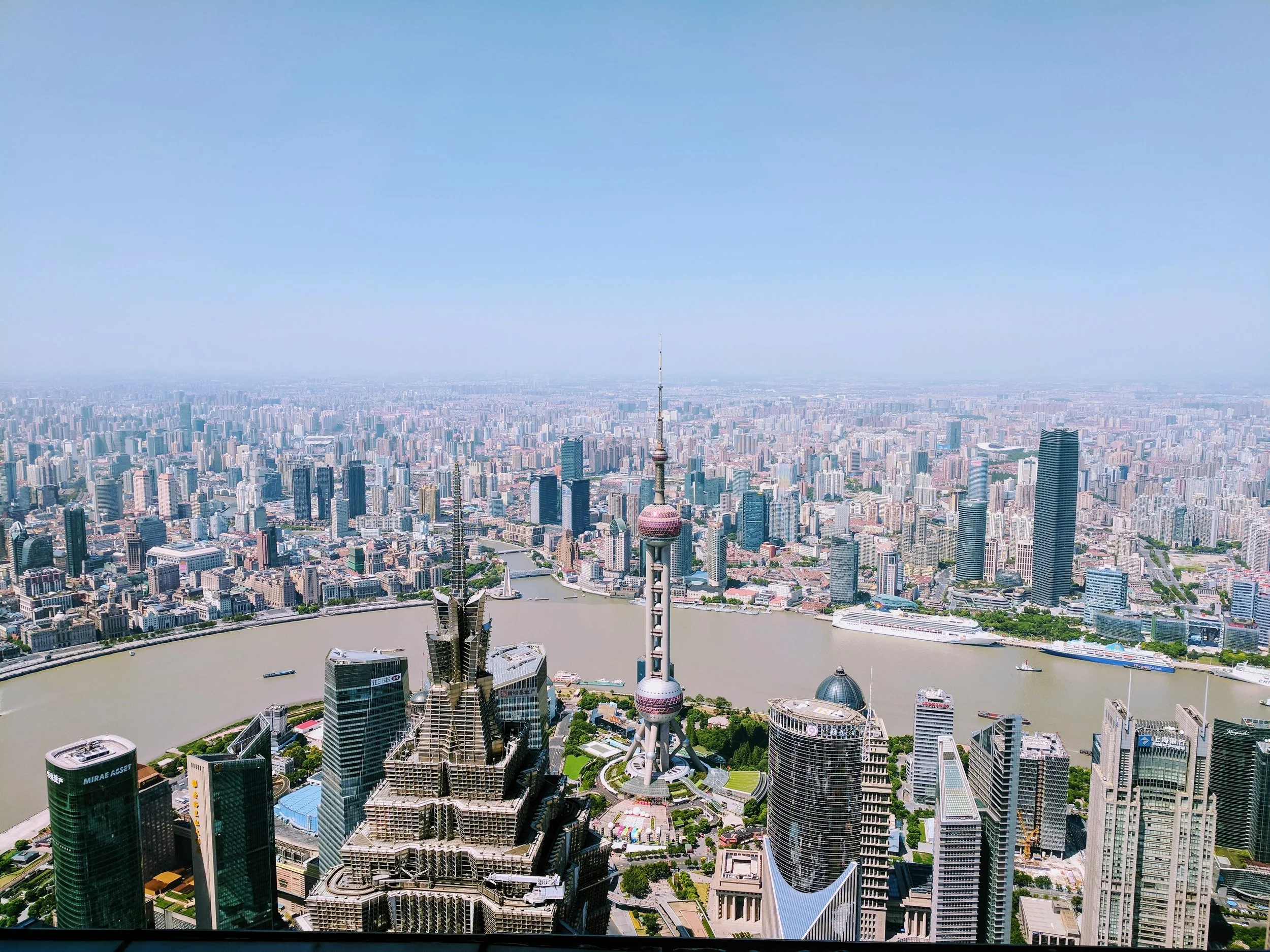
Shanghai Financial Centre View
What's the best time to visit Shanghai?
Spring (March to May) and autumn (September to November) are the sweet spots — mild temperatures, lower humidity, and fewer weather disruptions than the summer typhoon season or the cold, grey winters. The Golden Week in October draws large domestic crowds, so factor that in if you're visiting then.
Is English widely spoken in Shanghai?
In hotels, larger restaurants, and tourist areas, you'll find English signage and some English speakers. Outside of those, it gets patchy. Download the DeepL translation app before you go and save the offline Chinese language pack — the camera translation function is genuinely one of the most useful tools you'll use. A local SIM or eSIM is essential for this, and for accessing Alipay and Didi. We've used Saily and Holafly for Asia data — both are reliable options.
How do I get to Shanghai?
Shanghai is served by two international airports — Pudong International (PVG), which handles most long-haul flights, and Hongqiao (SHA), which is closer to the city centre and handles mostly domestic routes. We use Kiwi.com to search flights, particularly useful for multi-city itineraries across Asia.
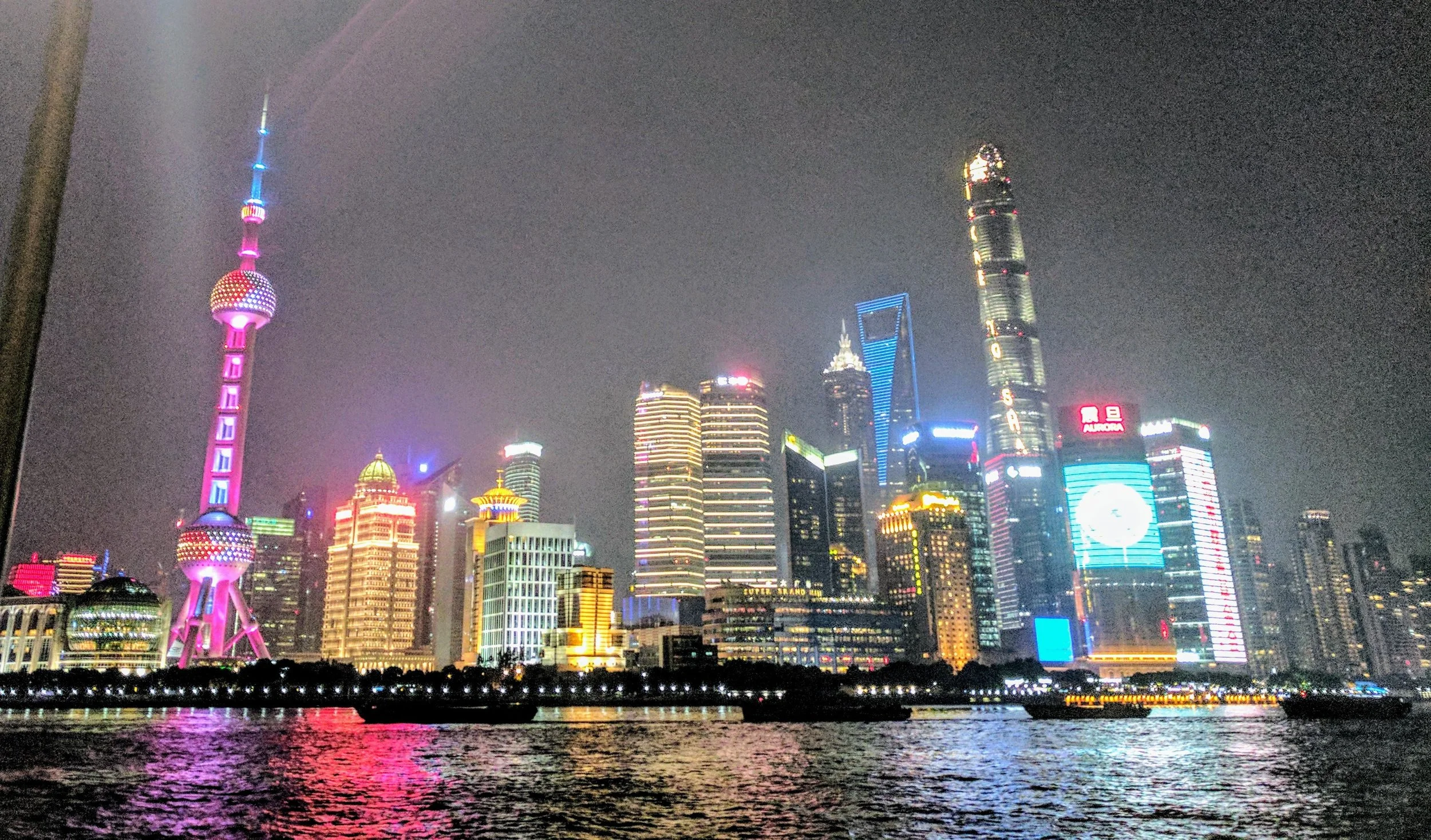
Huangpu River Ferry
How do I get around Shanghai?
The metro is extensive, cheap, and easy to navigate — it should be your default for longer distances. For shorter trips, Meituan bike rentals (accessed via Alipay) are brilliant for exploring neighbourhoods at your own pace. Taxis and Didi (China's ride-sharing app) are safe and affordable options for when you need a door-to-door service.
Where should I stay in Shanghai?
The French Concession and Jing'an are the most popular bases for first-time visitors — both are walkable, characterful, and well-connected to the metro. The Bund area suits those who want to be right at the heart of the action. We've pulled together a map of recommended stays across all budgets below.
Conclusion
This 4-day Shanghai itinerary blends the wonder of ancient China with some of Shanghai's top modern attractions. It’s not always easy to take it slow in a fast-paced city like Shanghai. However, taking the time to support local communities, street food vendors, and small shops helps keep the city unique.
Shanghai is one of those cities that keeps surprising you the longer you stay. If this itinerary has you dreaming of an Asia trip, explore our Asia travel guides for more slow travel inspiration across the region — from Vietnam to Indonesia and beyond.

Planning a trip to Shanghai? This four-day Shanghai itinerary covers the iconic sights, the quiet neighbourhoods, and the local gems most visitors miss — plus practical tips on getting around, eating well, and making the most of every day.