
Living in Labuan Bajo: What Life Beyond the Tourist Trail Really Looks Like
This is a sponsored guest post. It contains paid links, marked where relevant. This post may also contain affiliate links, meaning we get a commission if you decide to purchase through our links at no cost to you. This helps fund Slower Travels without costing you a cent!
Derek Haight is an American entrepreneur based in Labuan Bajo, Flores, where he runs Maika Komodo Tour & Diving — a tourism and diving business operating in and around Komodo National Park. He's not passing through. He lives here, works here, and has spent years figuring out what slow life in one of Indonesia's most remote and remarkable regions actually looks like day to day. Not many people can say that — which is exactly why we wanted to share his story.
What follows is his account — personal, honest, and a little bit unglamorous in the best possible way. Exactly how we like it.
Most people come to Labuan Bajo for a few days. They land, jump on a boat, see the highlights of Komodo National Park, maybe do a dive or two, take the famous photos—and then they’re gone.
I did the same thing the first time I came. I had no plan to stay.
But something about this place sticks with you a little differently. And if you give it enough time, it slowly stops feeling like a destination and starts feeling like real life.
Not vacation life. But actual life.
At first, it feels slow. One of the first things that throws people off is the pace. Things don’t move fast here. Plans change. Timelines are flexible at best.
Coming from a background where everything is structured and efficient, it can feel frustrating. You expect things to happen quickly, and they just don’t.
I remember one of my first weeks trying to set something simple up for the business—what should have taken an hour turned into an entire day of waiting, conversations, and promises to come back “tomorrow.” At the time, it felt inefficient. Now, it just feels normal.
But if you stay long enough, you start to realise it’s not broken. It’s just different. People take time to talk. Relationships matter. There’s less urgency, but not less intention.
Eventually, you stop fighting it.
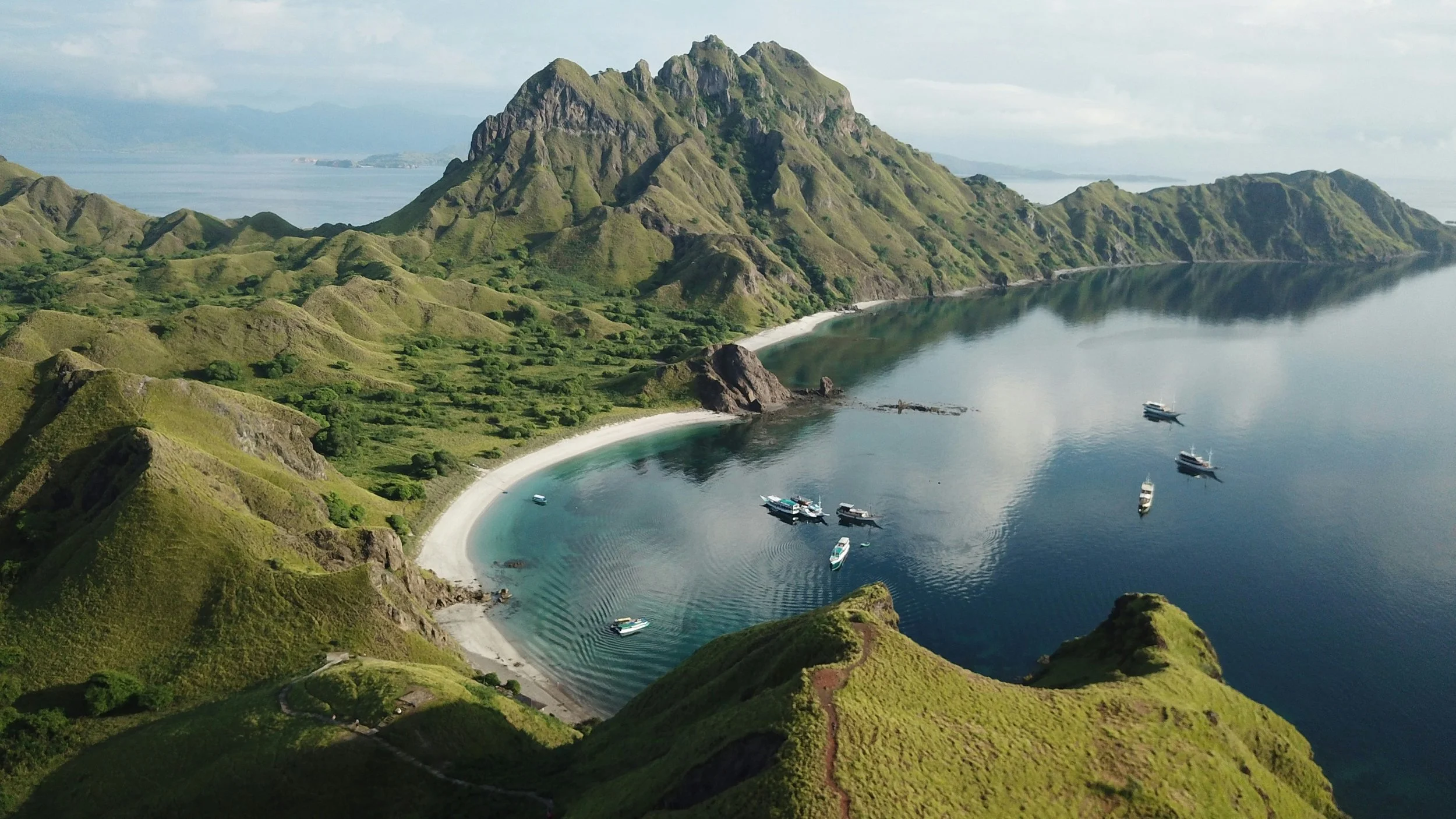
Building Something Here Isn’t Easy – But that’s Kind of the Point
Starting or running a business in Labuan Bajo is not smooth. Simple things can turn into full-day projects. Equipment takes forever to arrive. Sometimes you’re solving problems you didn’t even know existed.
And yet, that’s what makes this place special.
There’s something about building in a place like this that forces you to become resourceful. You learn patience fast. You learn how to adapt. You learn how to work with people, not just systems.
Being right next to Komodo National Park doesn’t hurt either. The opportunity here is real, but it doesn’t come easy. You earn it.
For anyone considering it, the business side is possible, but it usually involves setting up a PT PMA (foreign-owned company) or working through local partnerships, along with the appropriate visa (KITAS). It’s not instant, but it’s very doable if you’re committed to being here long-term and have a lot of patience.
The “Perfect Island Life” isn’t Perfect
From the outside, it looks like paradise.
And sometimes it is.
But daily life has its moments. Power goes out. Water runs low. The Internet can test your patience.
I’ve had days where the power cut out right as we were handling bookings, and everything just… stopped. No WiFi, no signal, no quick fix. You wait, you adjust, and eventually it comes back.
Things you wouldn’t think twice about somewhere else suddenly become part of your routine.
And strangely, that’s where the shift happens.
You stop expecting everything to be easy—and start appreciating when things just work.
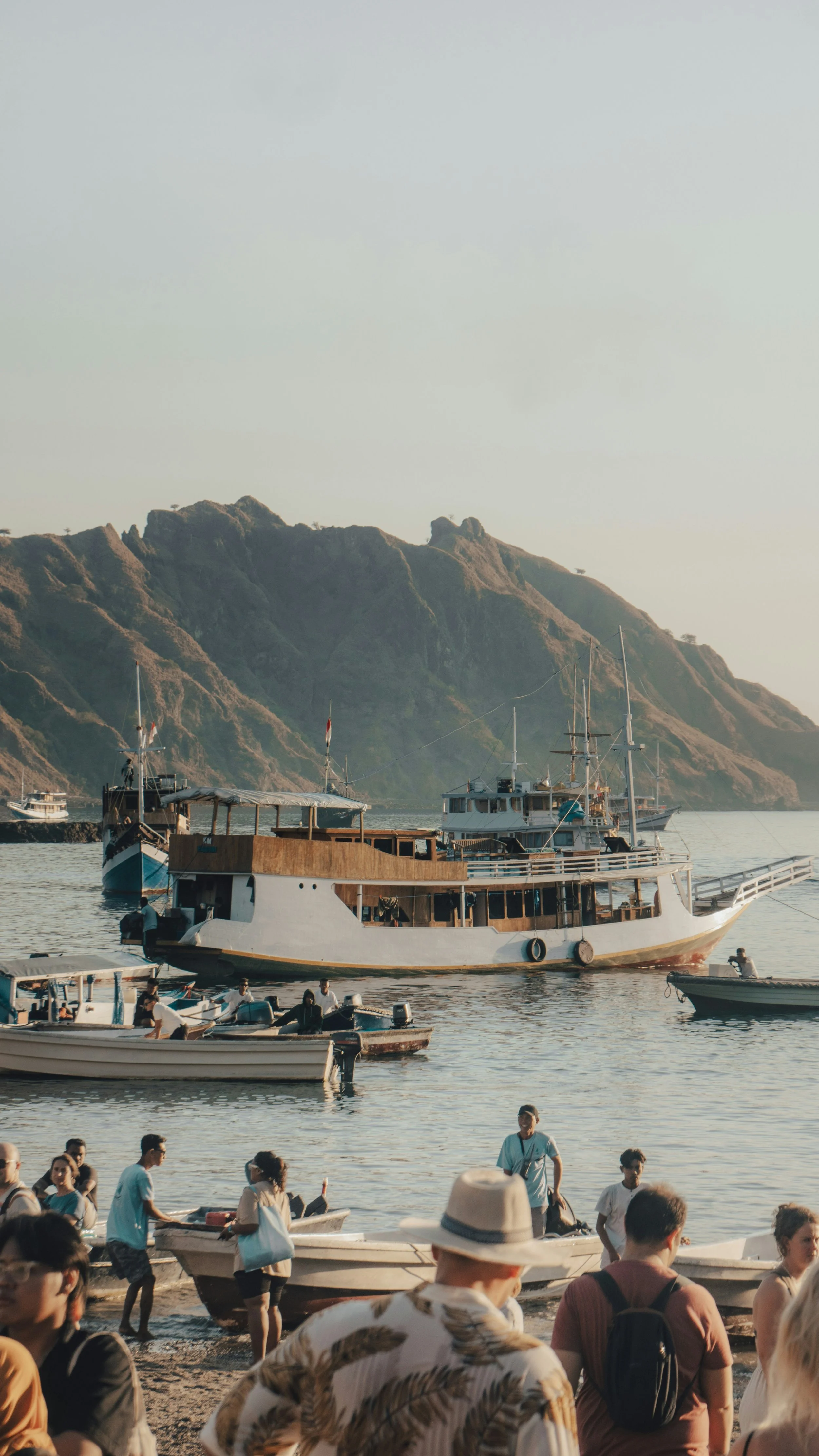
Where People Actually Live in Labuan Bajo
Most long-termers and expats don’t stay right in the busy port area.
You’ll find people spread out in places like Gorontalo, Waecicu, and up in the hills, where it’s quieter and you get a bit of a breeze. Some prefer being close to town for convenience, while others trade that for space and a slower pace just a few minutes away.
There’s a small but growing community here—you start recognising the same faces pretty quickly. Enjoying a few drinks at sunset always helps the situation.
Daily Life in Labuan Bajo
Over time, routines form. You’ll find yourself going back to the same places—such as my favourite Mexican spot, like La Taqueria or a good pizza at Fellas, or simple local warungs where meals are quick, cheap, and familiar.
Coffee spots, sunset viewpoints, small hangouts near the harbour—it’s not a big town, but that’s part of the appeal.
You don’t need ten options. You just need a few good ones.
What it Costs to Live Here
Costs can vary a lot depending on lifestyle, but a rough idea:
Simple local living: $200–400/month USD
Comfortable expat lifestyle: $300–600/month USD
That would typically cover rent, food, motorbike, and day-to-day expenses. It’s not as cheap as it used to be, but compared to many places, it’s still very manageable.
Editor’s note: These are Derek's personal estimates from his experience — costs will vary depending on lifestyle and have been rising as the town develops.

The Culture Isn’t Something You Visit – It’s Something You Learn
Living here long-term changes how you see things.
You start picking up the language little by little. Even basic Bahasa Indonesia goes a long way. People appreciate the effort more than perfection.
There’s a strong sense of community here. Family is everything. Traditions still matter.
And these aren’t things you really understand on a short trip. You understand them by being around, day after day, conversation after conversation.
Why Some People Never Really Leave
There’s also the obvious part. The islands. The water. The diving. It’s world-class, and it’s right there. But after a while, it’s not just about ticking off the highlights anymore. It becomes part of your normal life.
For most visitors, a Komodo Island Tour is a once-in-a-lifetime experience. For people who stay, it becomes something you keep rediscovering. Different conditions. Different seasons. Different moments.
It never really feels the same twice.
You Start to See what Actually Matters
Living in Labuan Bajo strips things down. You don’t have every convenience. You don’t have perfect systems. You don’t have total control.
But you gain something else. You become more present. More adaptable. Less stressed about things that don’t really matter. It’s not some perfect, peaceful escape. But it’s real.
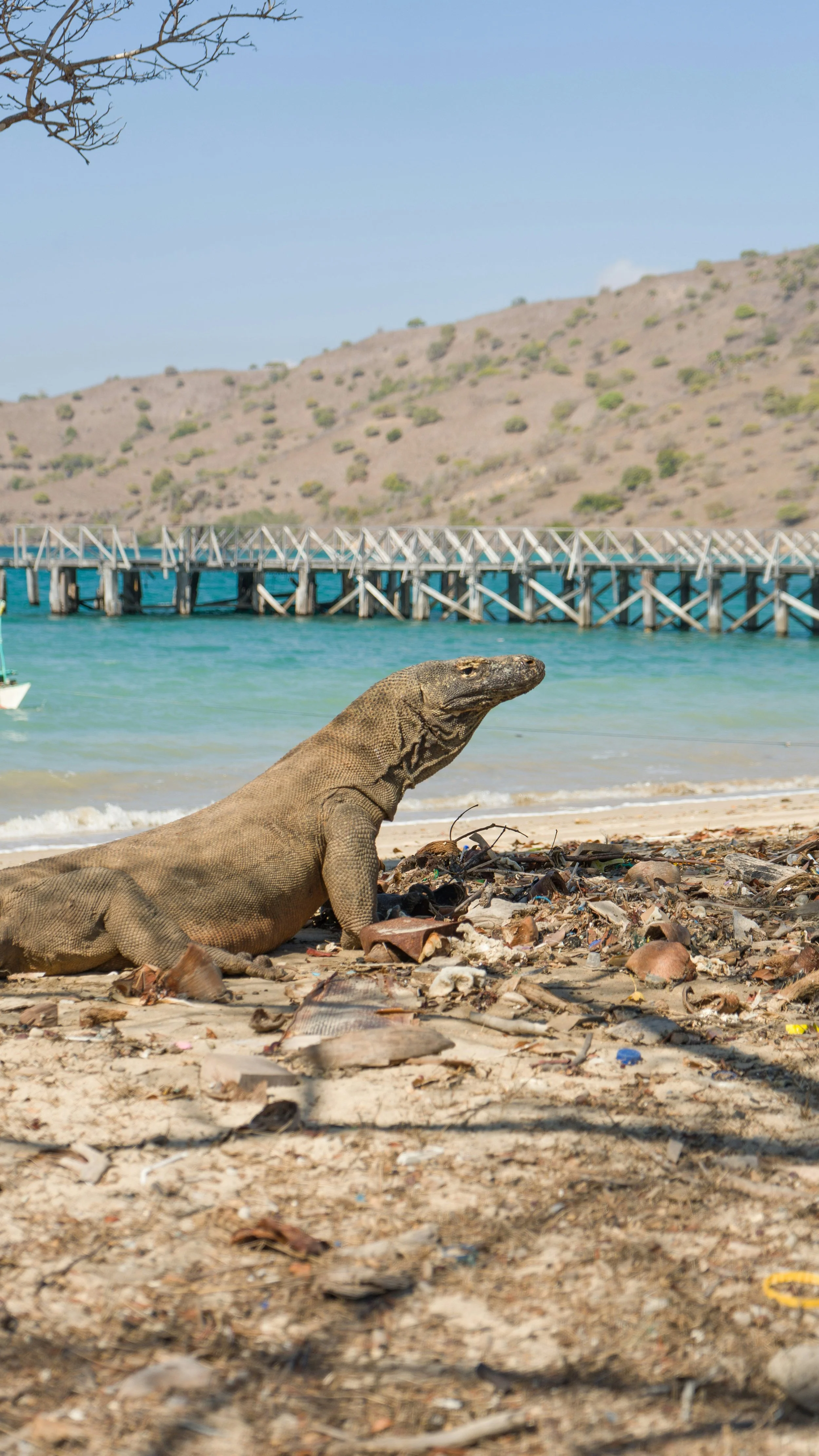
If I Had to Sum it Up
Labuan Bajo isn’t for everyone. If you need everything to be predictable and fast, it’ll probably drive you crazy.
But if you’re open to something a little different—something slower, less polished, but more grounded—it has a way of pulling you in.
Most people pass through. A few end up building a life here without ever really planning to.
Frequently Asked Questions About Labuan Bajo
Where is Labuan Bajo?
Labuan Bajo is a small harbour town on the western tip of Flores Island in East Nusa Tenggara, Indonesia. It's the main gateway to Komodo National Park and sits roughly halfway between Bali and Timor. Despite its remote feel, it has a small international airport (Komodo Airport, LBJ) with direct connections from Bali, Jakarta, and a handful of other Indonesian cities.
How do I get to Labuan Bajo from Bali?
The easiest option is a direct flight from Bali's Ngurah Rai Airport (DPS) to Komodo Airport (LBJ) — most flights take around 1.5 hours and run daily with carriers including Garuda, Lion Air, and Batik Air. We recommend using Kiwi.com to compare fares. There is also a ferry option via Lombok and Sumbawa, but it's a multi-day journey and rarely worth it unless you're island-hopping overland.
How long should I stay in Labuan Bajo?
Most visitors spend 3–5 days, which is enough to do a Komodo National Park tour, see the dragons, and catch a sunset or two. But as Derek's piece makes clear, Labuan Bajo rewards those who slow down — a week or two gives you time to explore beyond the highlights and get a real feel for the town. If you're thinking about longer stays, our guide to the best destinations to spend a month in Asia is worth a read.
What is there to do in Labuan Bajo?
The obvious draw is Komodo National Park — seeing the dragons on Komodo or Rinca Island, snorkelling at Pink Beach, hiking Padar Island, and diving some of the best sites in Southeast Asia. Beyond the park, there's overland exploring across Flores (the Wae Rebo traditional village and Kelimutu crater lakes are both worth the journey), sunset spots along the harbour, and a surprisingly good café and restaurant scene that's grown quickly in recent years.
How do I get to Komodo Island from Labuan Bajo?
You can't drive there — Komodo Island is only accessible by boat. Most people join a day trip or liveaboard from Labuan Bajo's harbour, which typically combines Komodo Island (dragons), Padar Island (views), Pink Beach, and snorkelling at Manta Point. Day trips run from around $30–50 USD per person; liveaboards range from budget to luxury.
Where should I stay in Labuan Bajo?
Accommodation ranges from simple guesthouses near the harbour to mid-range hotels with sea views and a handful of more upmarket resorts a short distance from town. Most independent travellers find a good base somewhere central — close enough to walk to restaurants and the port, far enough from the busiest tourist strip. Browse the latest options and availability below.
Do I need travel insurance for Labuan Bajo?
We'd say yes — and not just as a formality. Labuan Bajo is remote. The nearest hospital with serious facilities is in Bali or Jakarta, which means a medical evacuation if anything goes wrong. For travellers and digital nomads spending extended time in Southeast Asia, we've found SafetyWing's Nomad Insurance to be one of the most flexible and affordable options — it's designed for people who move around and covers emergency medical, evacuation, and more from around $42 USD per month.


Our Sim Local review after ten days testing this Indonesia eSIM in Bali and Lombok, with price, speeds, coverage gaps and how much data you really need.