
A Walking Tour in Ho Chi Minh City: Exploring Saigon Beyond the Highlights
This post may contain affiliate links, meaning we get a commission if you decide to purchase through our links at no cost to you. This helps fund Slower Travels without costing you a cent!
Choosing the right walking tour in Ho Chi Minh City can completely change how you experience the city.
Saigon is loud, fast, layered, and endlessly fascinating — but it can also feel overwhelming, especially when you’re trying to understand why things look the way they do, not just ticking off the highlights. After spending time visiting many of the city’s well-known sights, we realised we wanted something different. Less about monuments and museums, more about daily life, neighbourhoods, and history that still actively shapes the city today.
That’s what led us to book a guided walking tour through District 6 (Cholon), Saigon’s historic Chinatown, with Withlocals.
We didn’t choose a free walking tour or a highlights-only city loop. It was a slower, more thoughtful way to explore Ho Chi Minh City, led by someone who actually lives here — and it turned out to be one of the most grounding experiences we had in Vietnam.
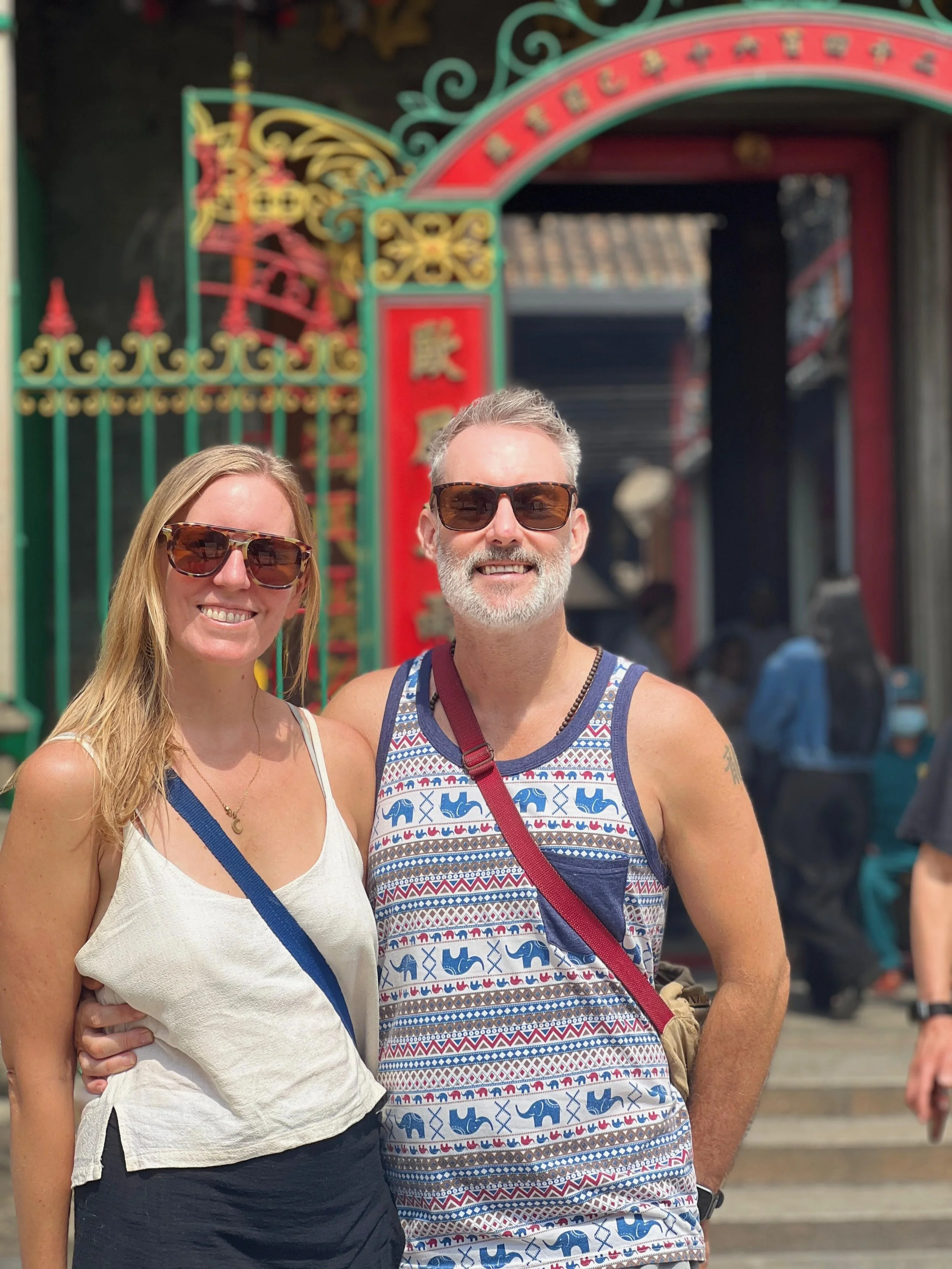
Why choose a walking tour in Ho Chi Minh City?
Ho Chi Minh City isn’t a place you simply see. It’s a city you need to walk through, listen to, and slowly piece together.
While buses, Grab rides, and scooters are practical, city walking tours allow you to notice what disappears when you’re moving too fast — how neighbourhoods change block by block, how people interact, and how history quietly sits alongside modern life.
For us, the appeal of a guided walking tour in Ho Chi Minh City came down to three things:
We wanted context, not just highlights
We wanted to explore a district we wouldn’t naturally navigate on our own
We wanted to understand how people actually live in Saigon today
District 6 offered all of that — without the crowds.
Meeting our guide and leaving the tourist centre behind
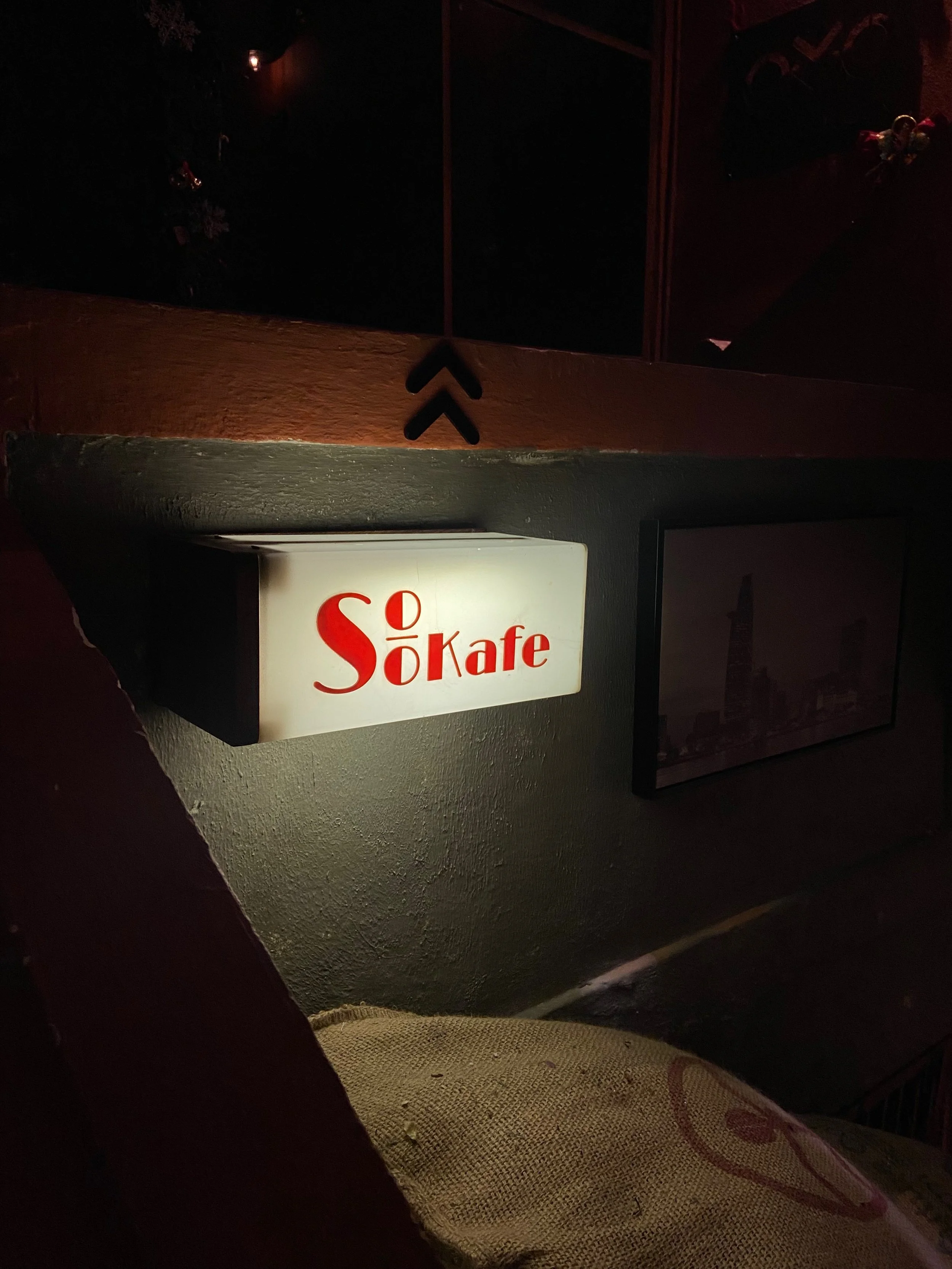
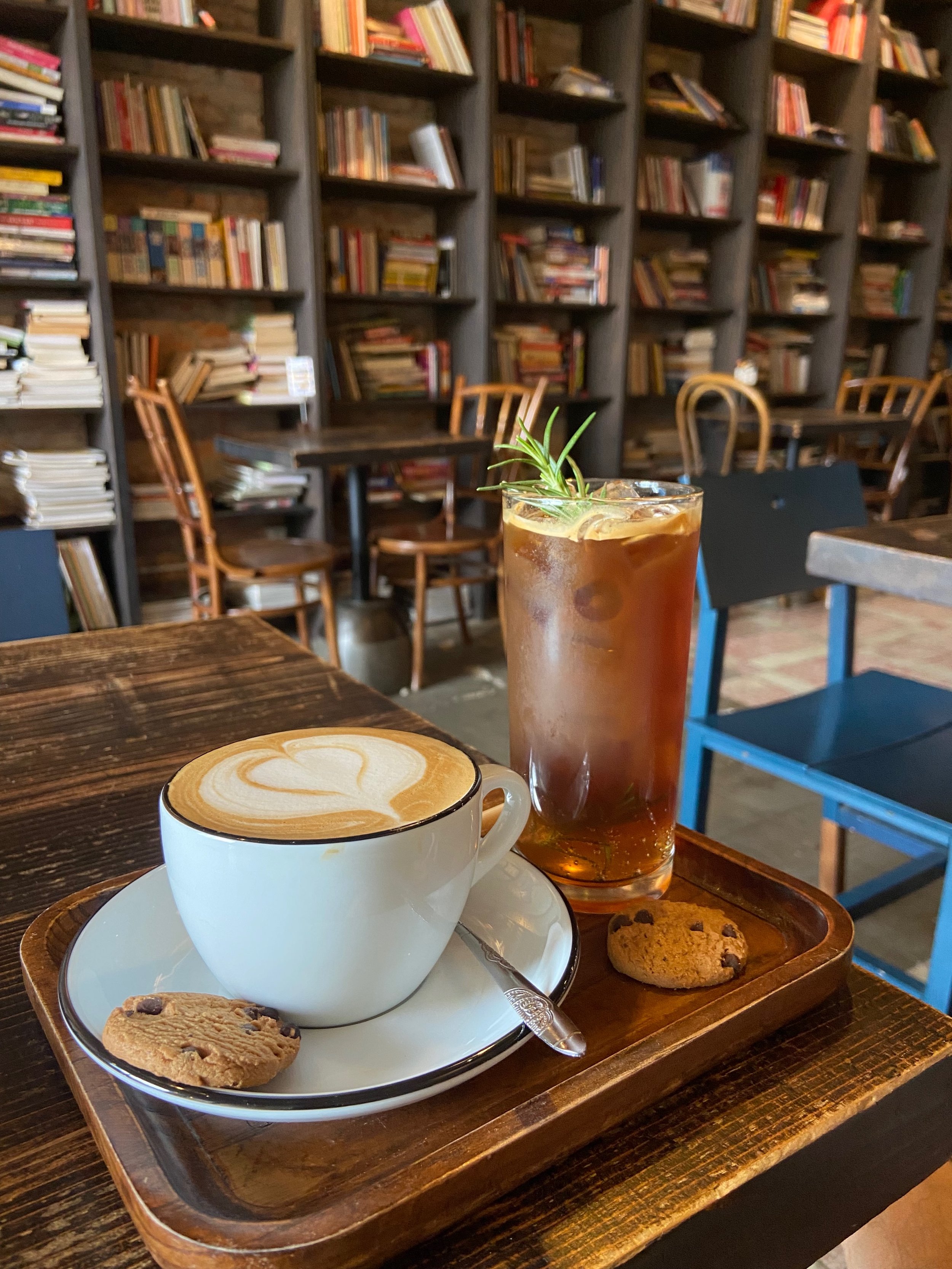
We met our guide, Huyen, outside Ben Thanh Market — an easy, familiar meeting point in the heart of the city. Beforehand, we’d escaped the chaos with a coffee upstairs at Soo Kafe, which gave us a quiet moment before stepping back into Saigon’s intensity.
From the moment we met Huyen, her energy set the tone. She was bright, lively, and immediately in motion — greeting us warmly before confidently guiding us across traffic to catch a local bus.
Rather than easing us in gently, she dove straight into stories about the city, explaining how the bus system works, where to stand, and how to make space for elderly passengers. As the bus moved away from District 1, we watched the city subtly change — fewer tourists, fewer polished cafés, more everyday life.
This was the first reminder of why guided walking tours can be so valuable: you’re not just moving through space; you’re becoming part of a real, working city.
Exploring District 6: Saigon’s Chinatown (Cholon)
District 6, also known as Cholon, is the largest Chinatown outside of China. It’s an area shaped by migration, trade, and resilience — and it feels distinctly different from central Ho Chi Minh City.
There are fewer boutique coffee shops, fewer curated spaces, fewer tourist traps. Instead, you’ll find family businesses, wholesale markets, religious sites, and streets built around practicality rather than aesthetics. Wealth exists here, but it’s quieter and more functional.
Walking through the district with Huyen helped us understand how deeply history still informs daily life. She spoke about housing, schooling, and how generations of families have built their lives here, often out of necessity rather than choice.
This wasn’t a highlight reel. It was a lived-in part of Ho Chi Minh City, Vietnam, and walking through it felt grounding.
Markets, movement, and respectful observation
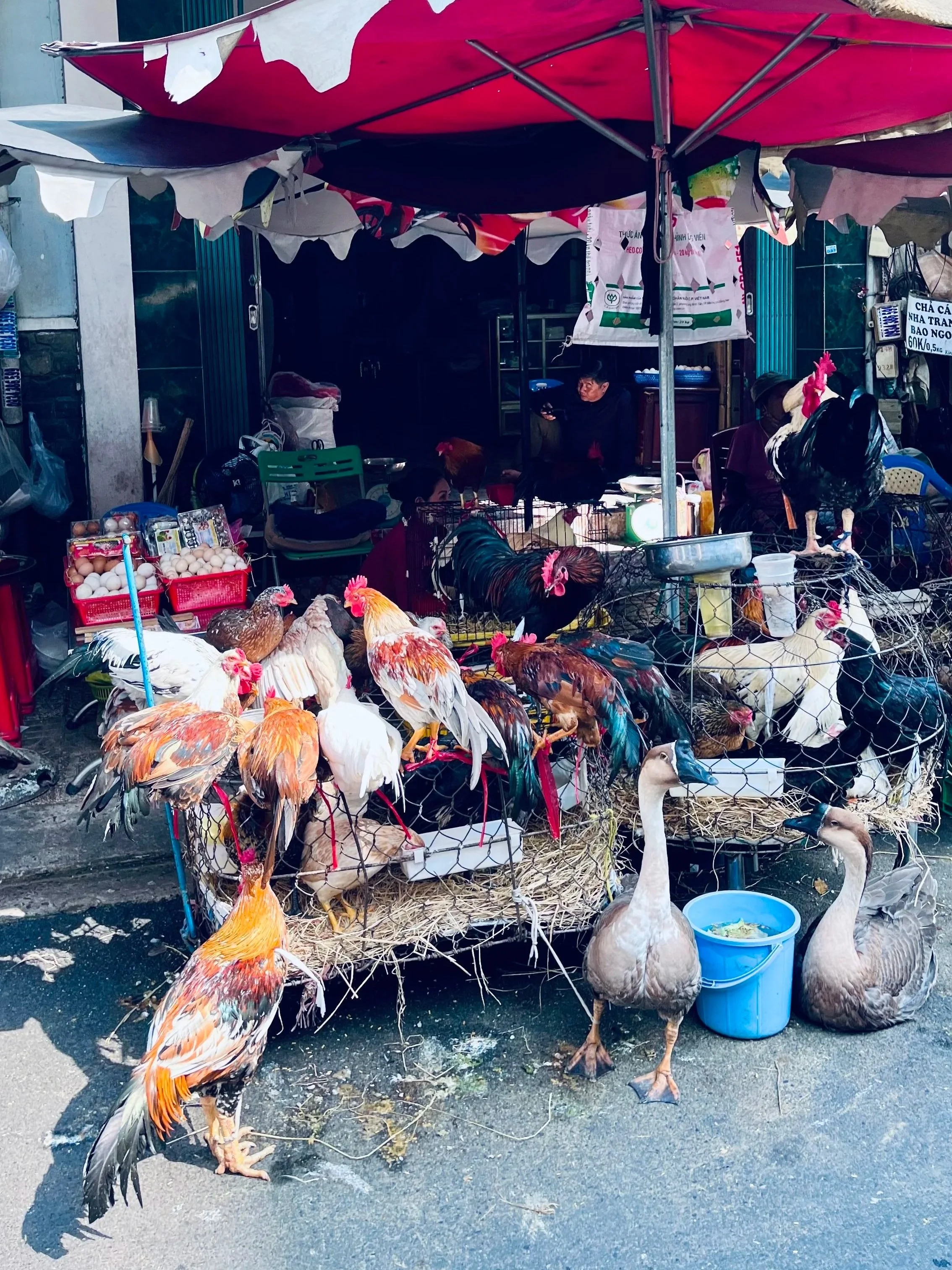
As part of the city walking tour, we moved through wet markets and fruit markets — spaces that can feel confronting if you’re unprepared. Before entering, Huyen gently checked whether we were comfortable with animals and meat. As a vegetarian, I appreciated the thoughtfulness.
She also explained market etiquette: why we shouldn’t photograph certain stalls, why touching items you’re not buying is disrespectful, and how these spaces exist for locals, not visitors.
Rather than lingering, we walked through at a steady pace while she explained where different fruits come from and how they’re used. It was informative without being intrusive — and a reminder that a good guided walking tour is as much about how you move through places as where you go.
Binh Tay Market: a working heart of the district
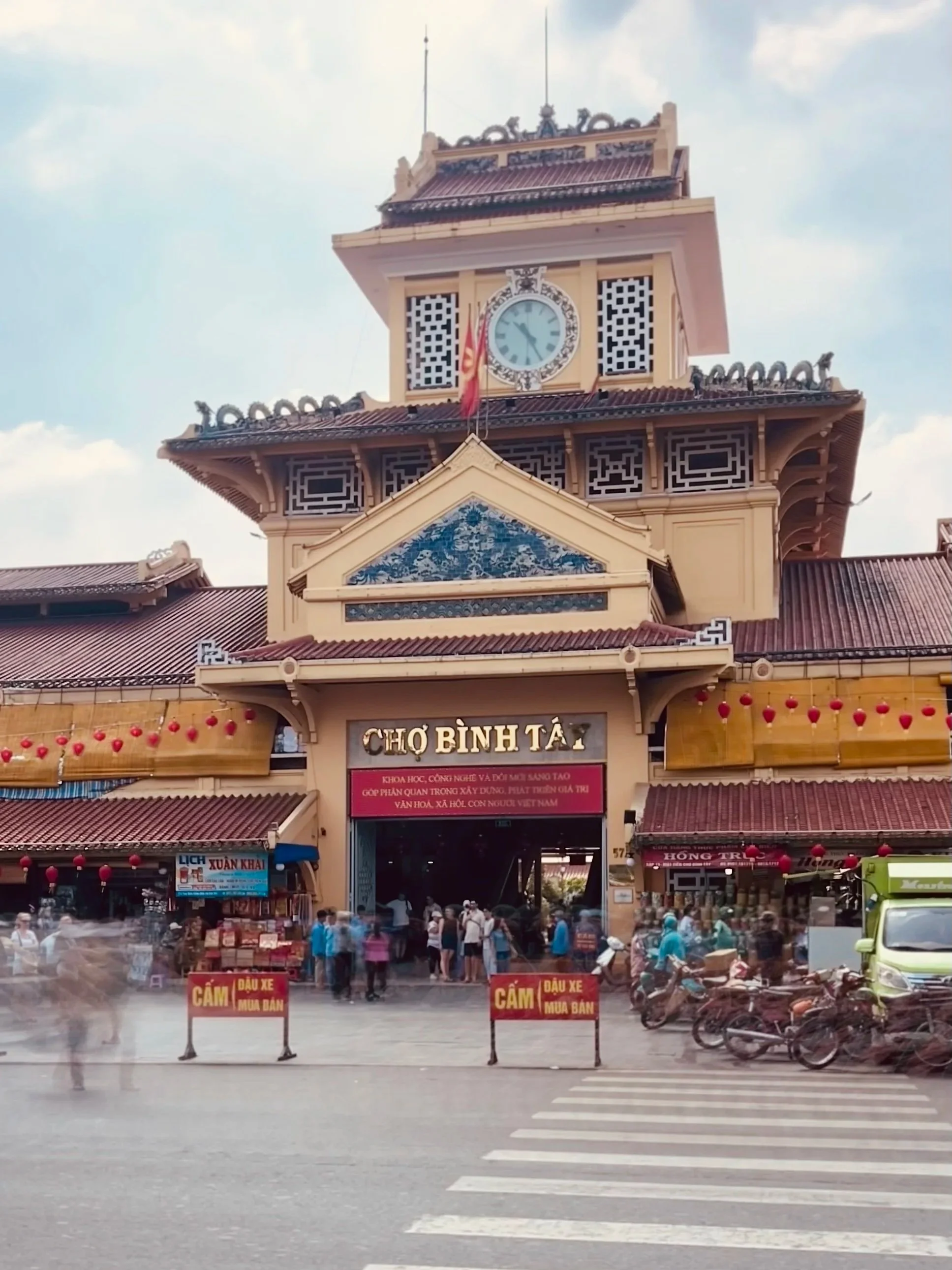
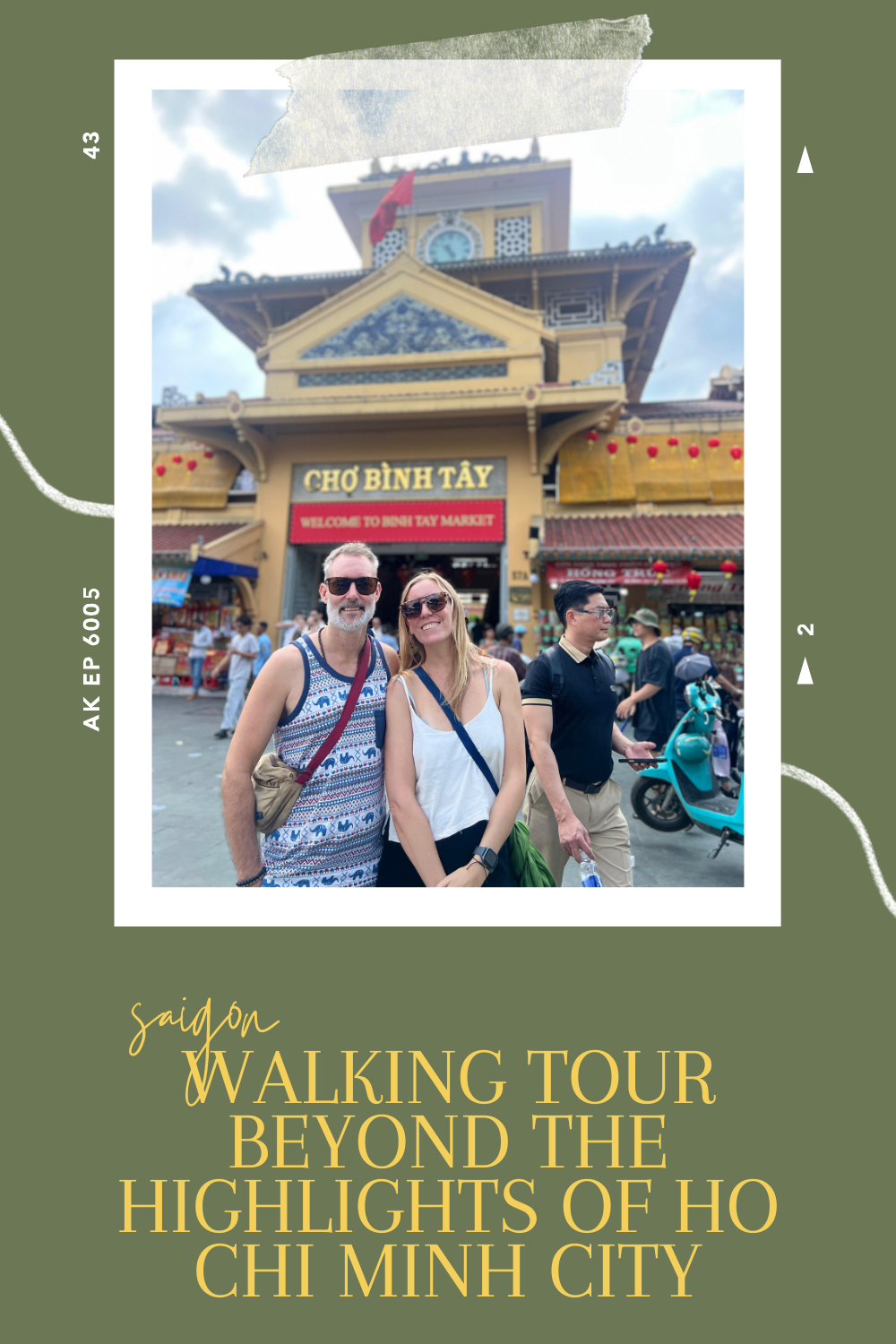
One of the most interesting stops on this walking tour in Ho Chi Minh City was Binh Tay Market.
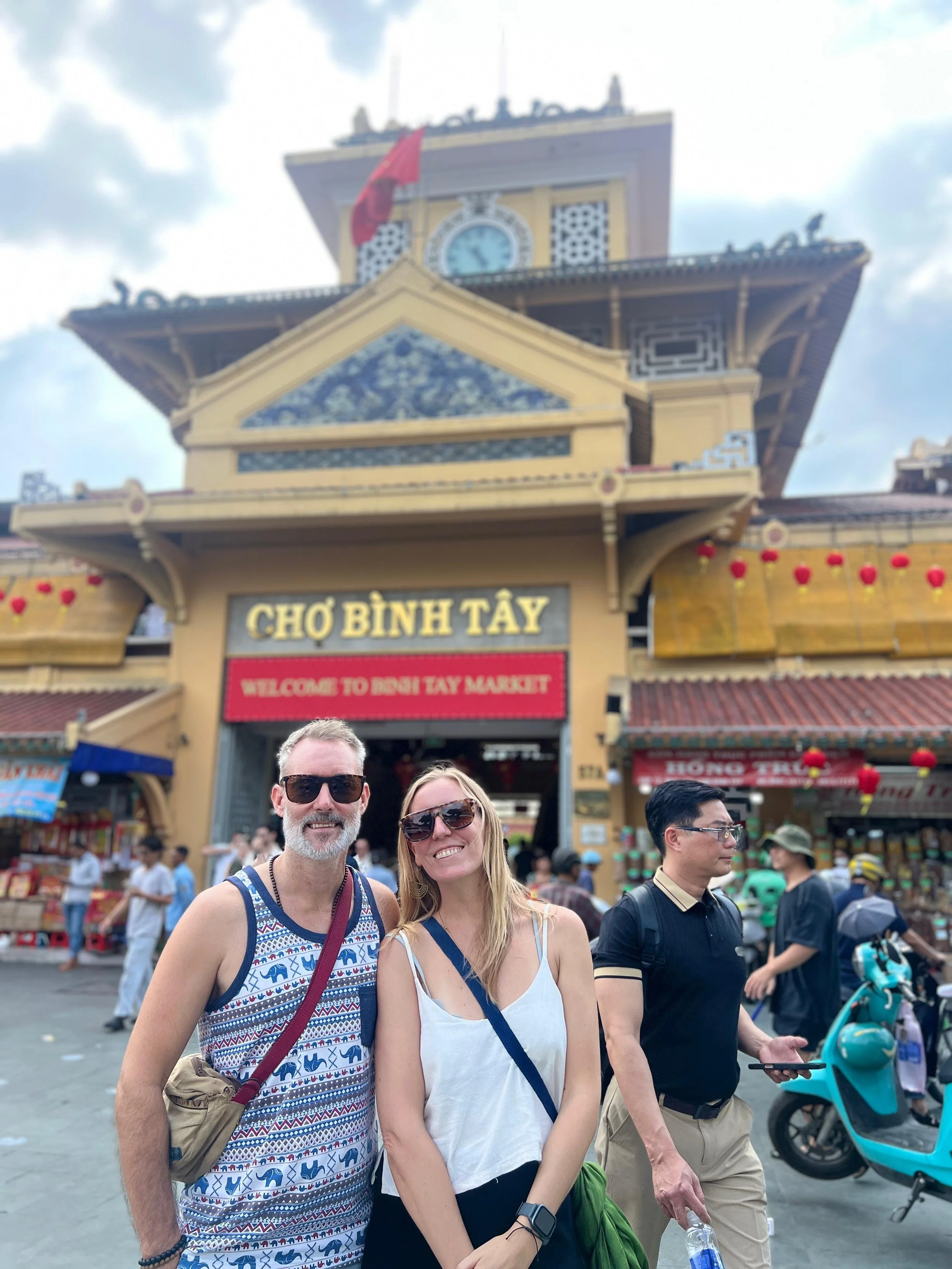
On the walk there, Huyen explained the symbolism of betel leaves and palm berries — traditionally grown together and used in weddings to represent a strong marriage. It was a small detail, but one that immediately deepened our understanding of Vietnamese and Chinese-Vietnamese cultural traditions.
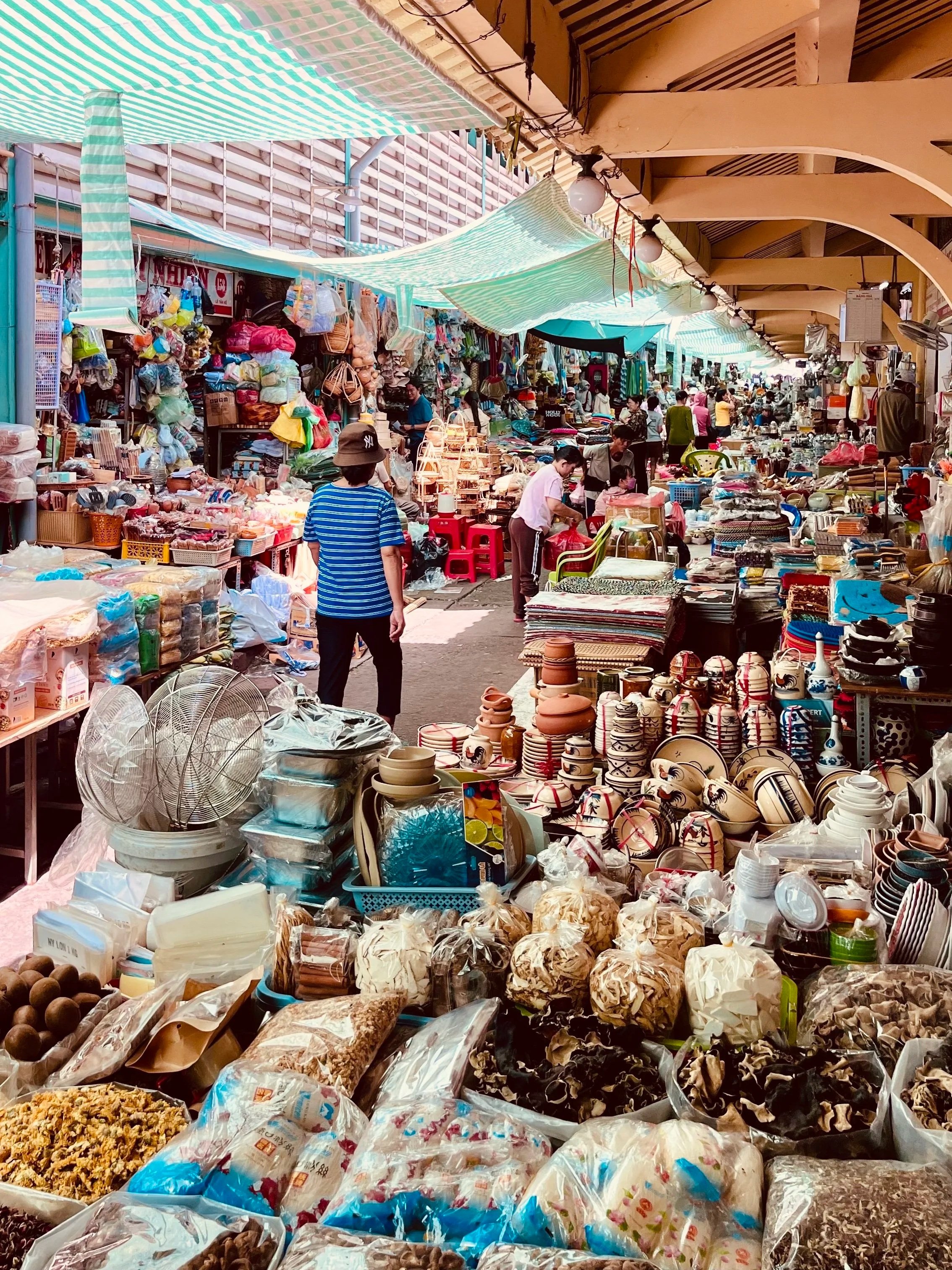
Inside the market, she shared stories about its founder, the mystery surrounding his wealth, and how French colonial rule intersected with the Chinese community here. Unlike many central markets, Binh Tay is predominantly wholesale: dried fish, fabric, shoes, hats, accessories, and food products sold in bulk.
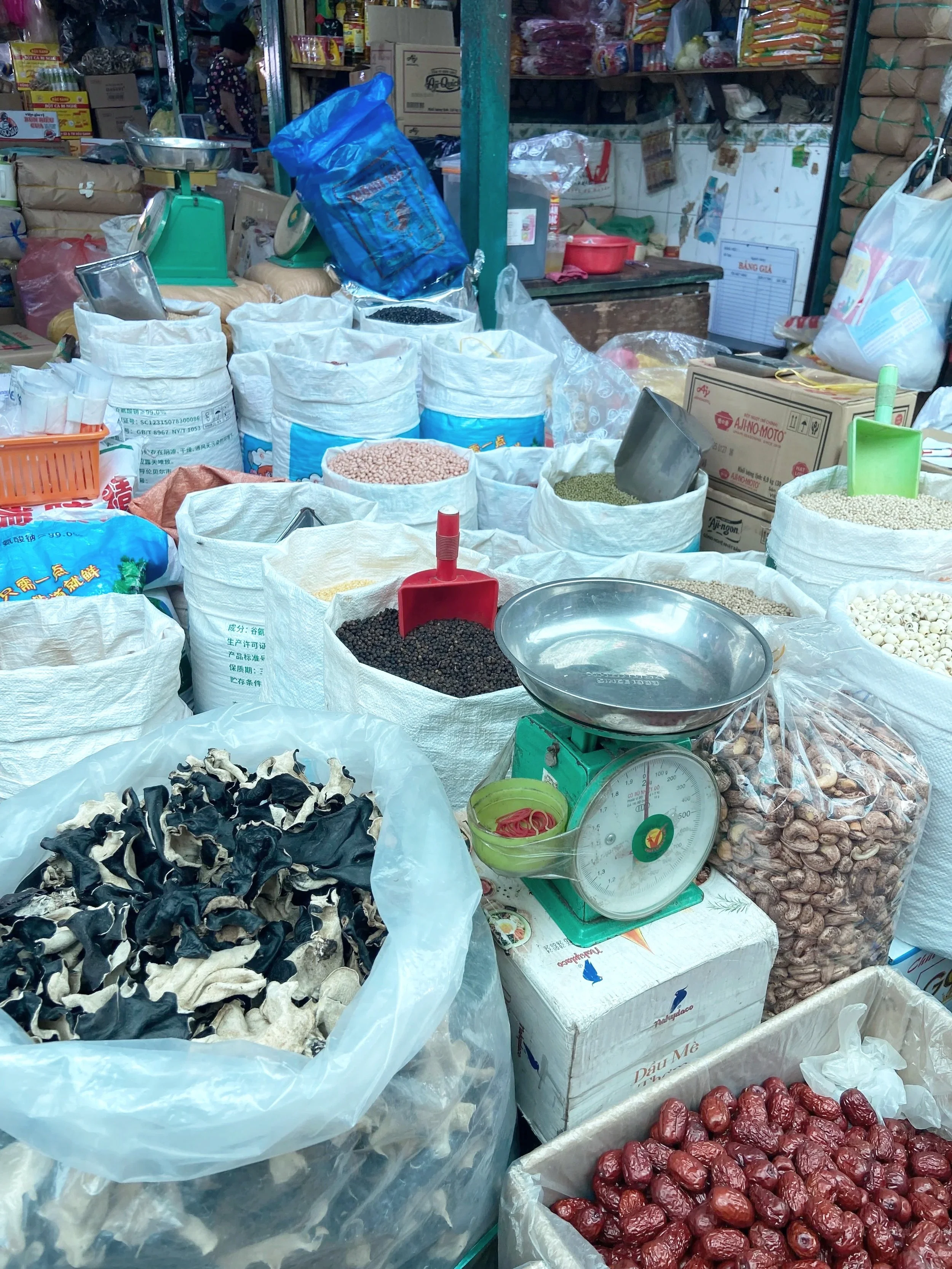
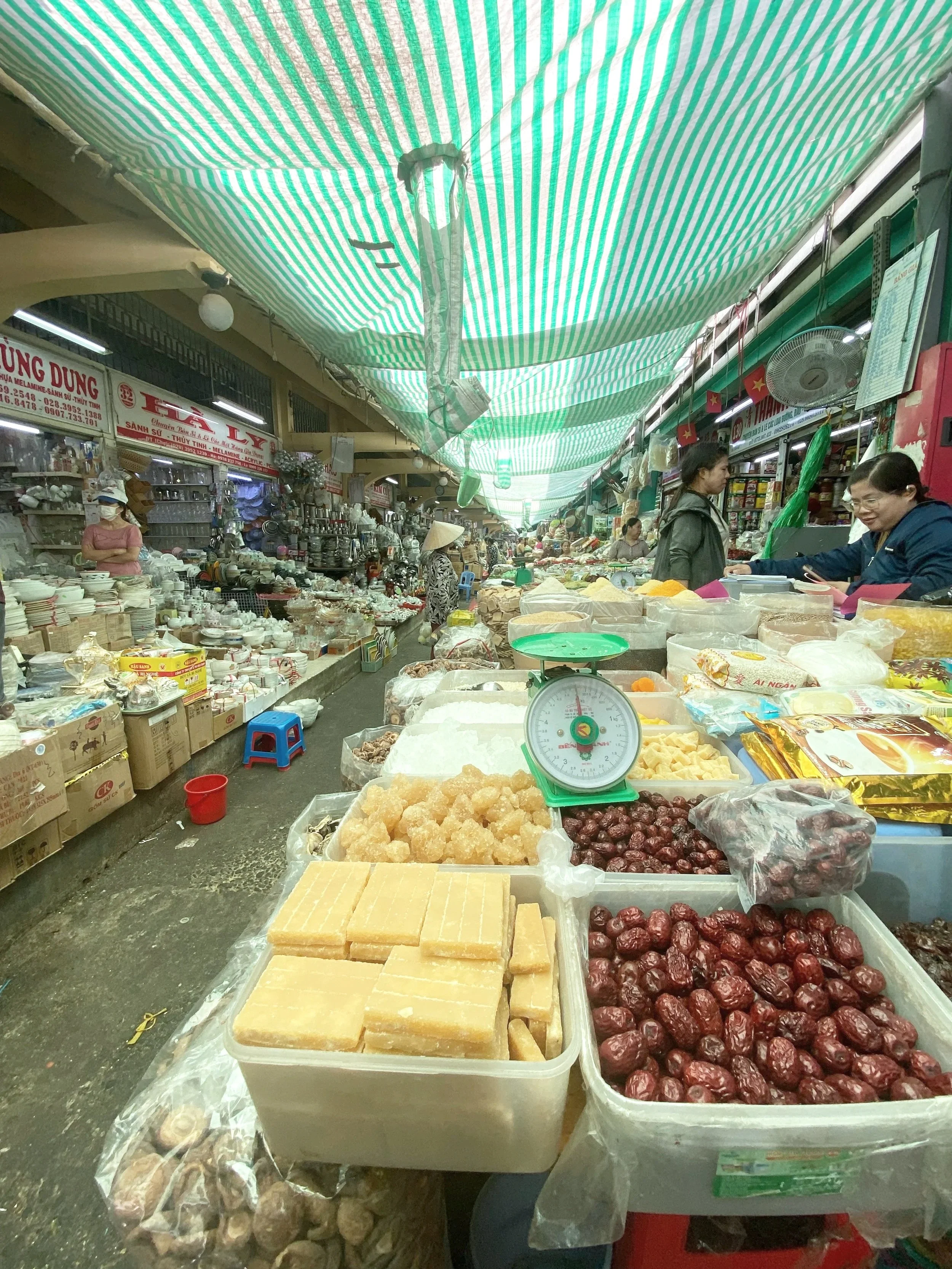
This is not a market designed for tourists. It’s functional, busy, and essential — precisely the kind of place that city walking tours often miss unless guided by someone local.
Walking from the market to the pagoda: small moments that matter
One of my favourite parts of this guided walking tour wasn’t a single landmark, but the walk itself.
Leaving the market, we wandered through back streets toward the pagoda. Along the way, Huyen pointed out St. Francis Xavier Church, explaining its significance during the war period and its connection to the assassination of South Vietnam’s prime minister.
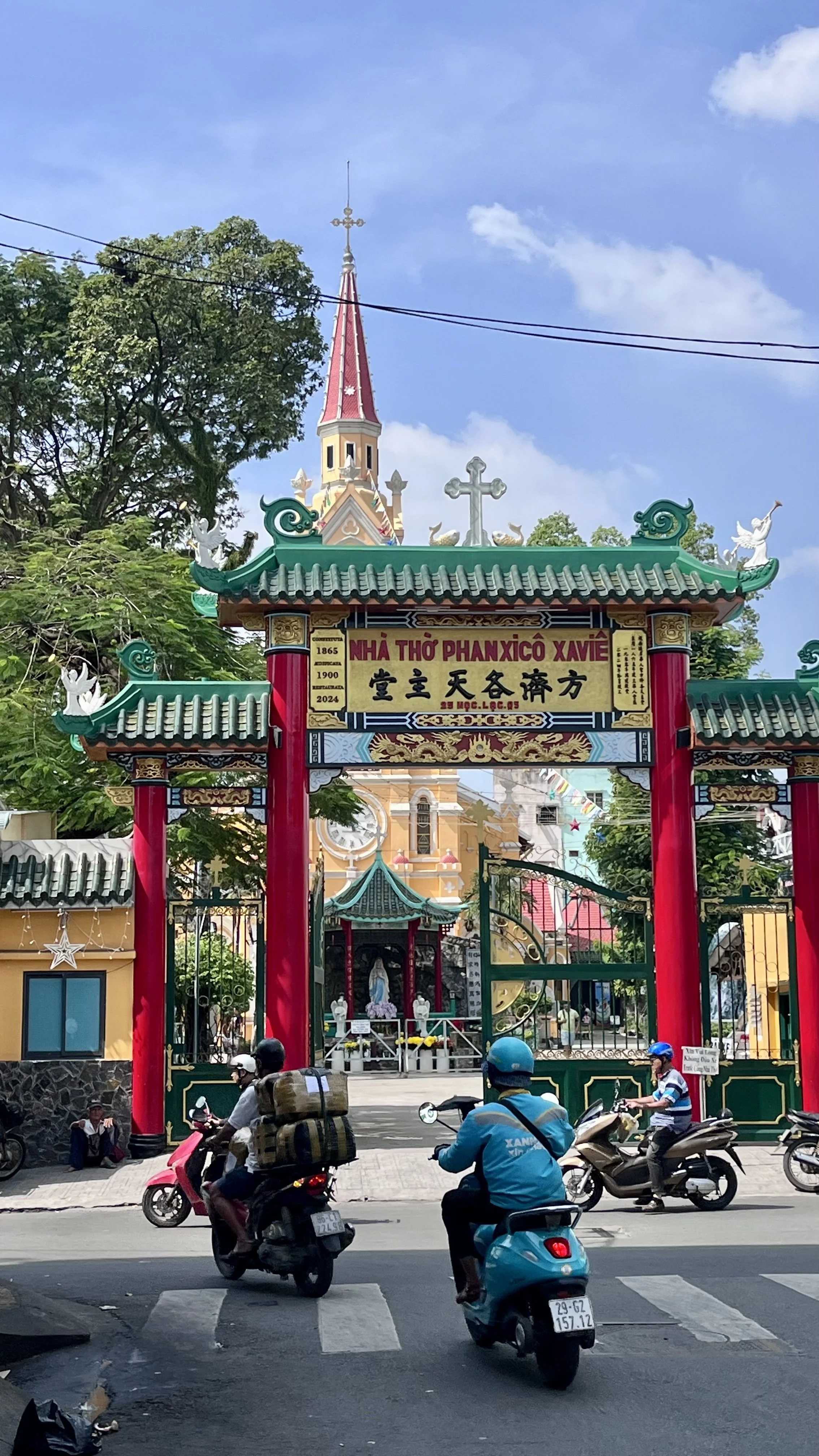
We stopped for sugar cane juice at her favourite street cart — something I’d always avoided, assuming it would be overwhelmingly sweet. With a squeeze of lime added, it was refreshing and perfectly balanced.
She also showed us her preferred bánh mì spot, casually sharing local favourites as if walking with friends rather than clients. These moments — unhurried, conversational, human — are what elevate a guided walking tour in Ho Chi Minh City beyond simple sightseeing.
Thien Hau Pagoda: Slowing Everything Down
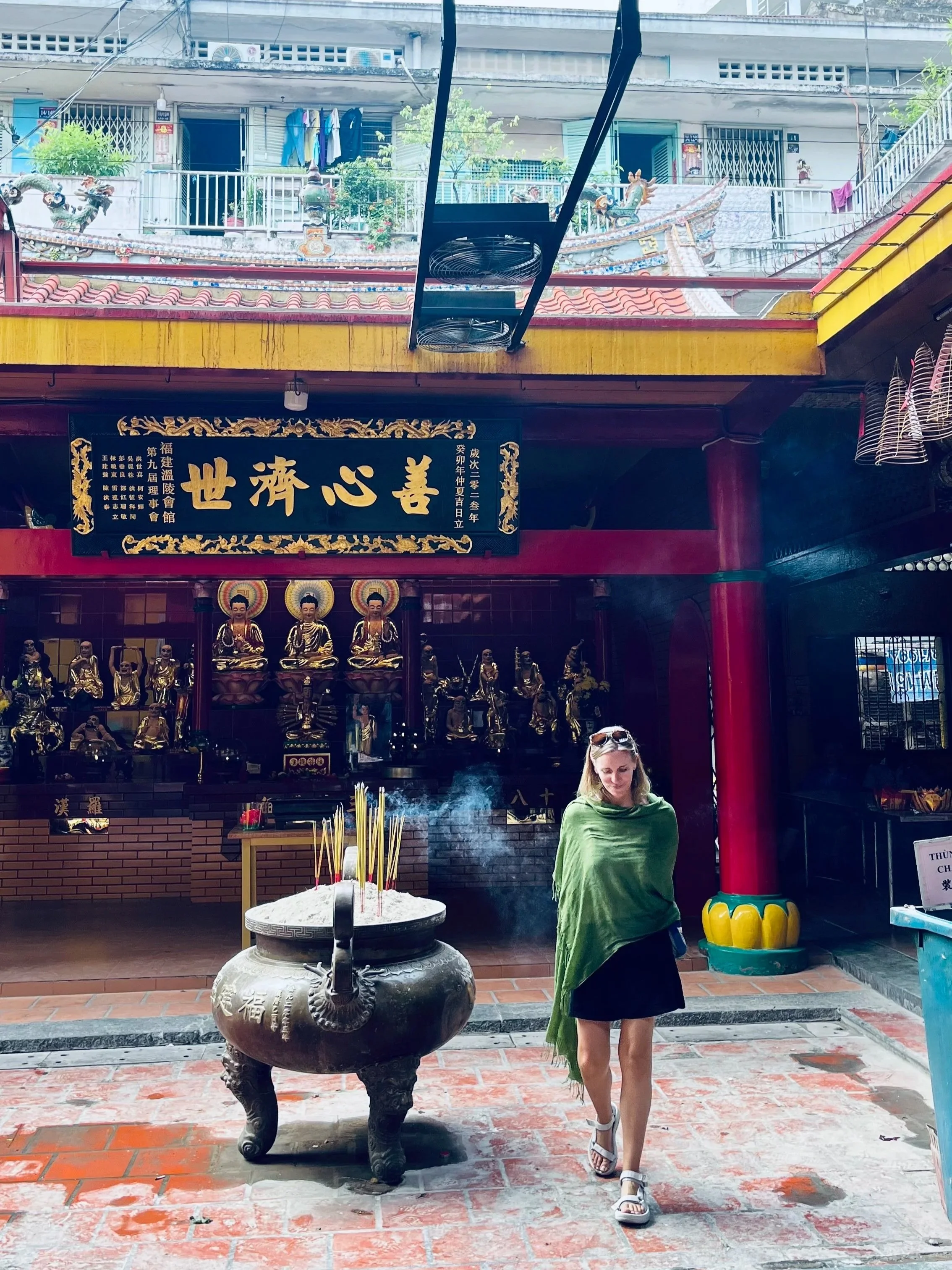
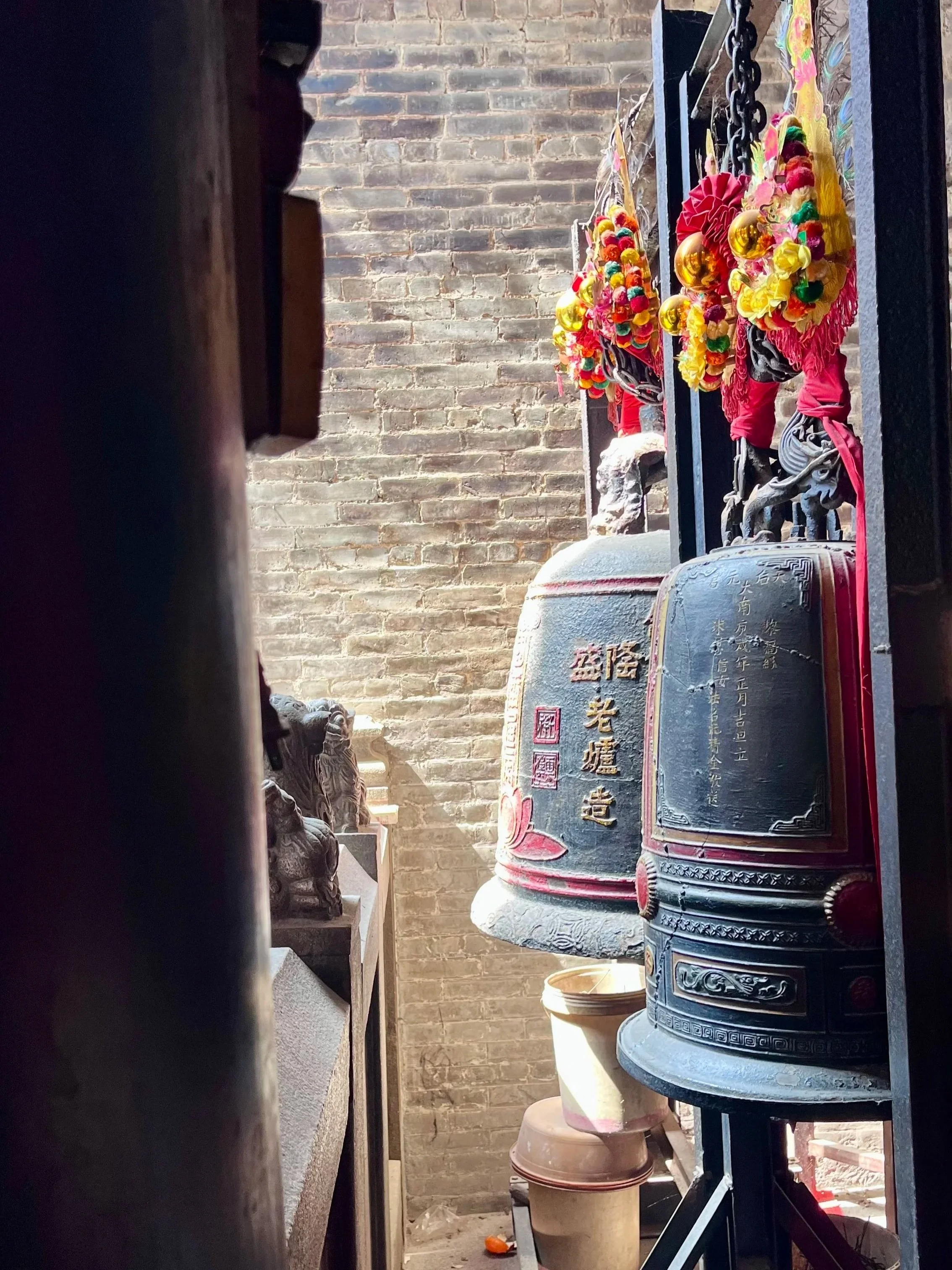
Our final stop was Thien Hau Pagoda, an 18th-century temple dedicated to the sea goddess Mazu.
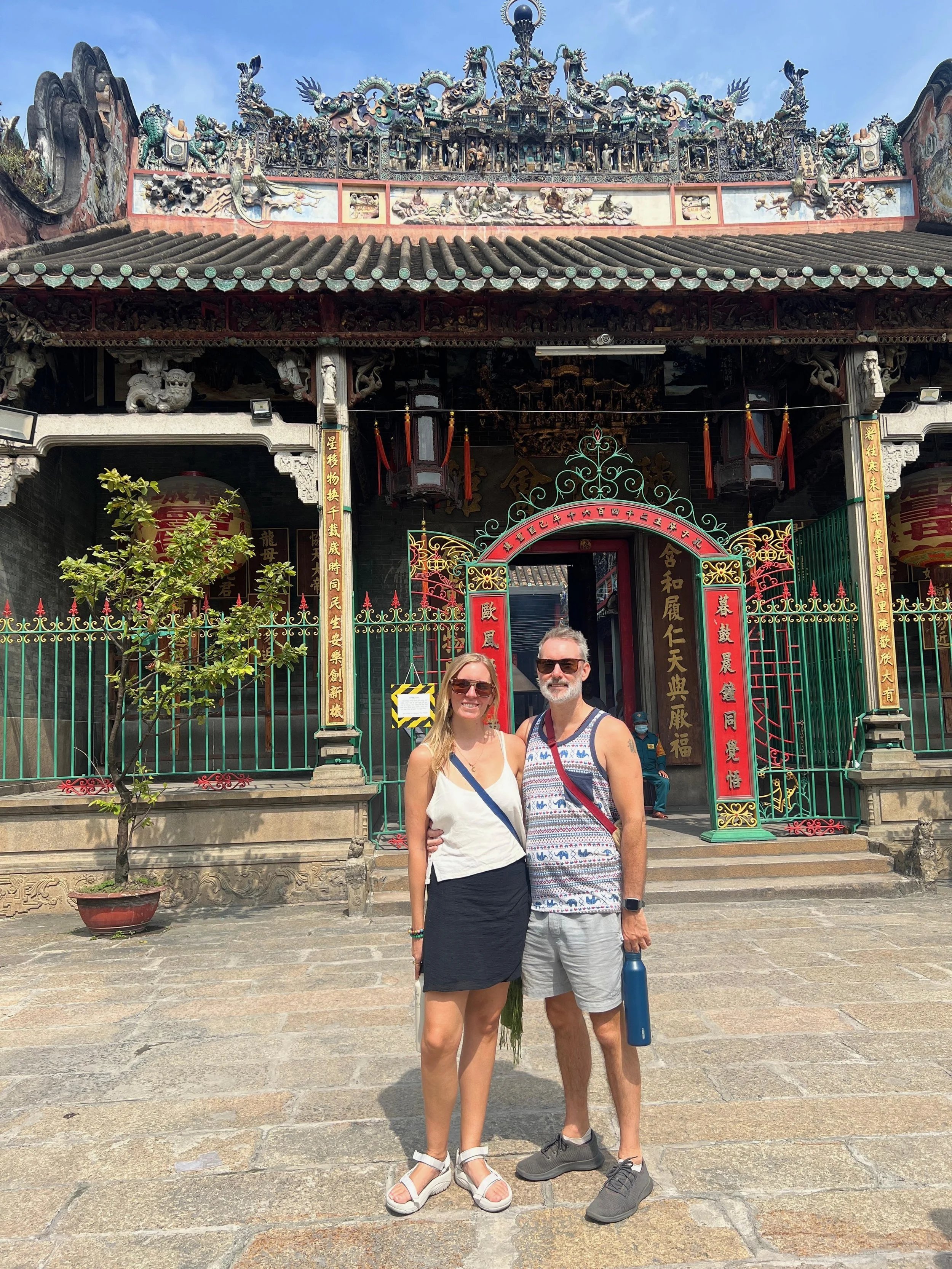
Huyen explained who the goddess was and why she mattered so deeply to Chinese migrants who crossed the sea to Vietnam. These people risked a lot to make it from China, across those choppy seas to their new homeland in Vietnam. It was a dangerous journey and they needed the gods (and weather systems) to be on their sides.
She showed us how people pray here, which offerings are bought for different wishes — oil for health, flowers for love — and how rituals are still woven into everyday life.
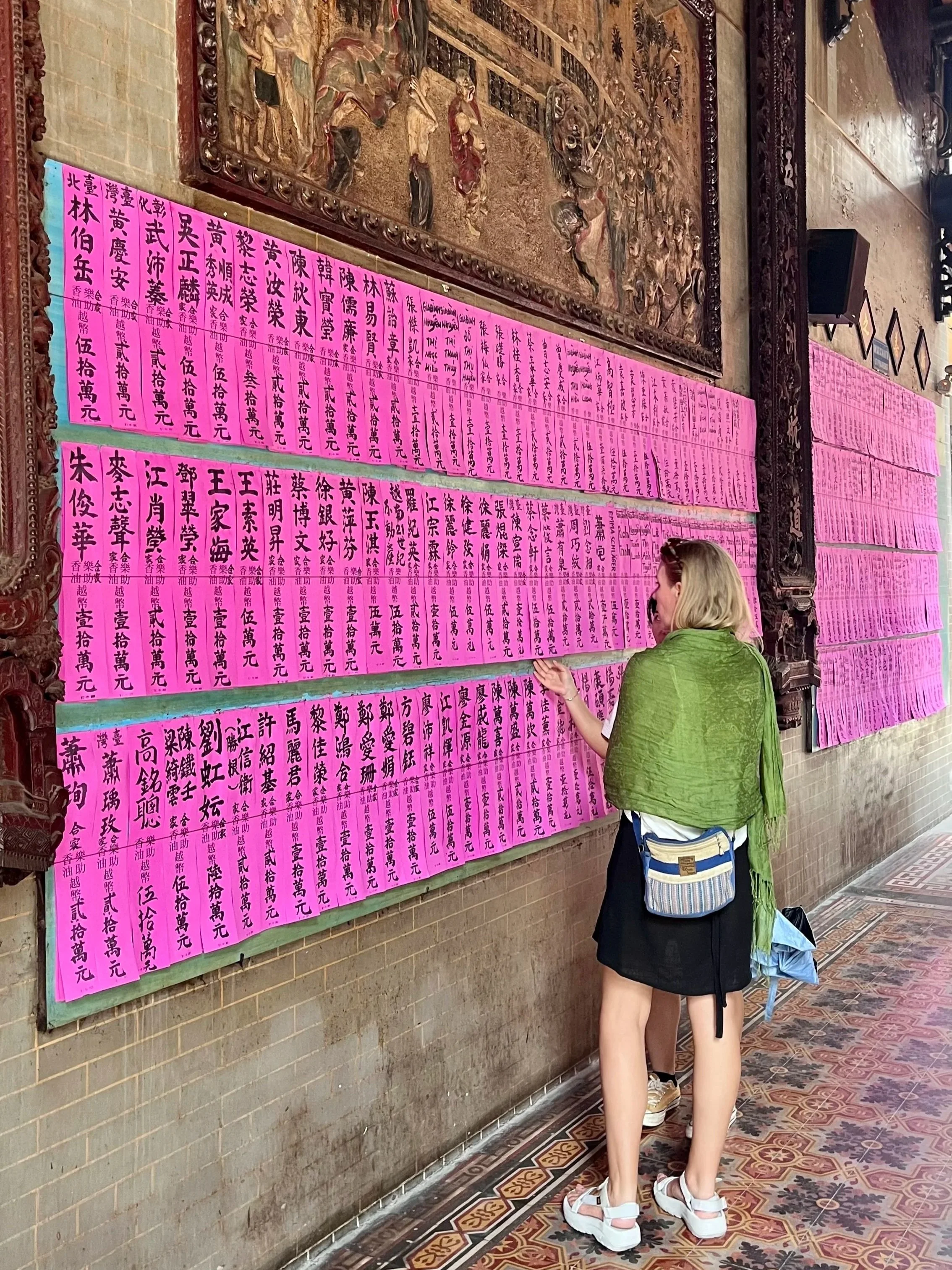
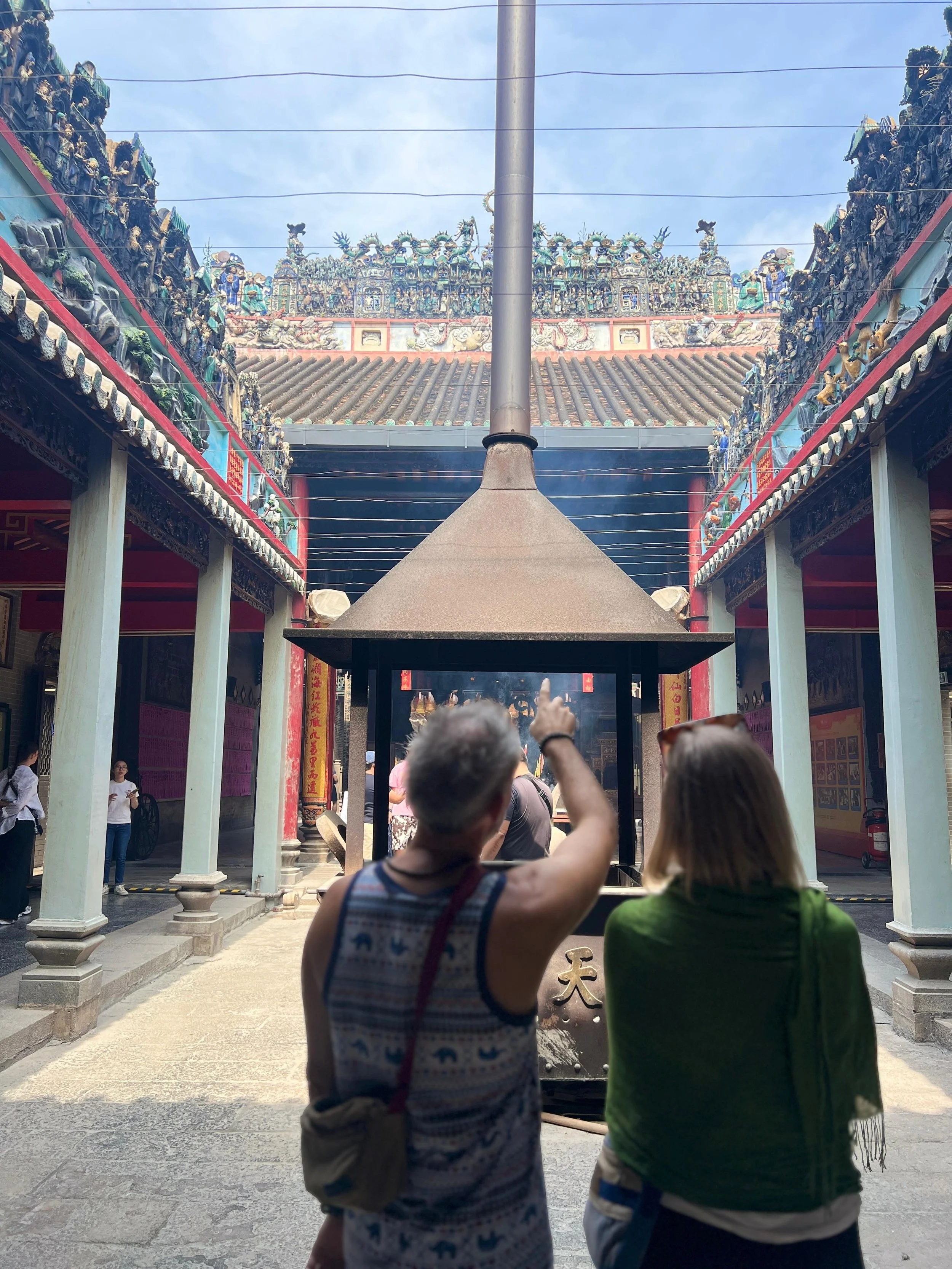
I’ve always felt a strong connection to temples. The incense, the filtered light, the quiet concentration of people asking for guidance — it naturally slows me down. Ending the city walking tour here felt intentional and reflective, the perfect counterbalance to Saigon’s constant motion.
Why Book A Guided Walking Tour
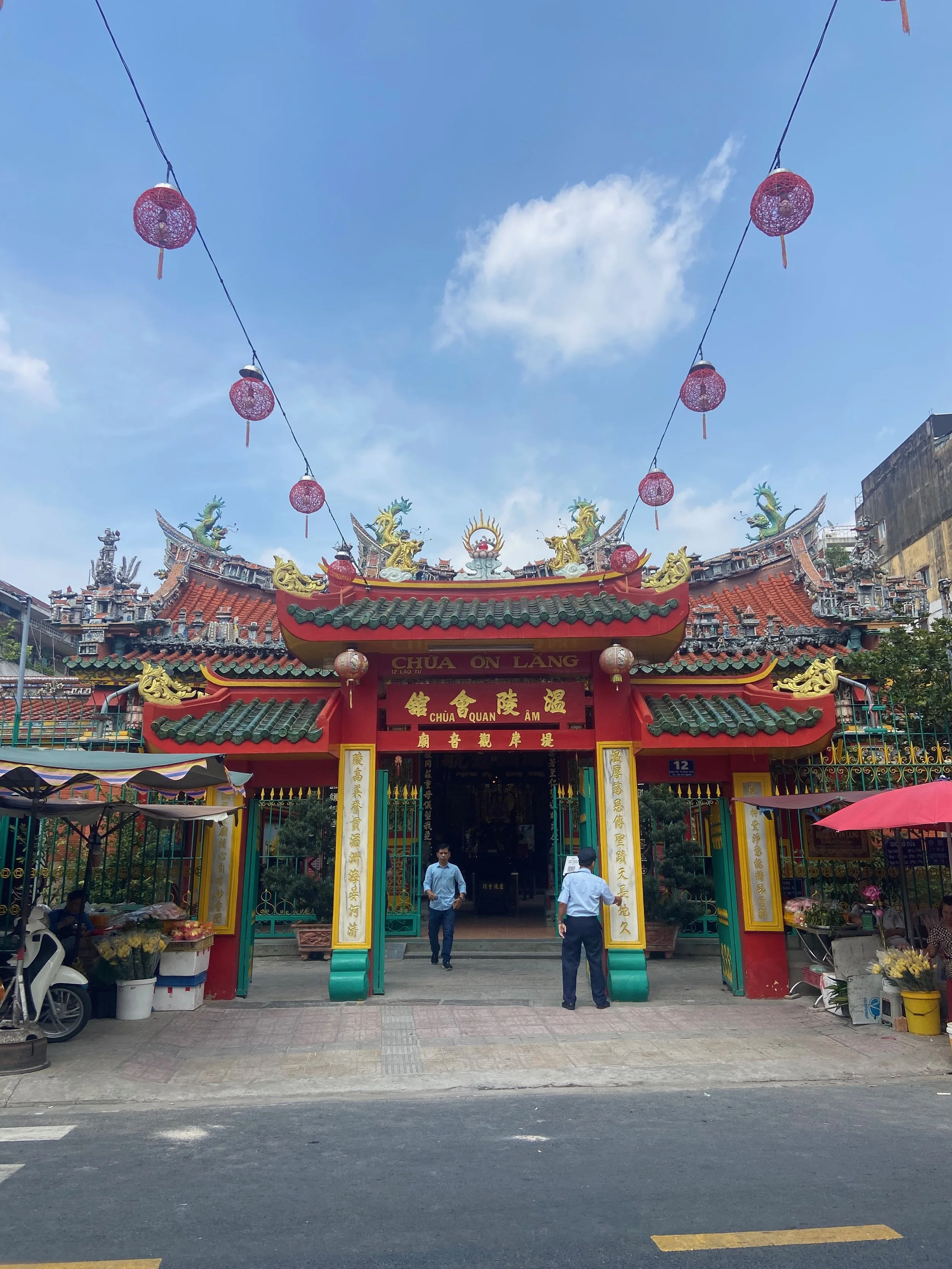
After the tour, we had the energy to keep exploring — finding a small vegetarian restaurant nearby, visiting Hội quán Ôn Lăng, and sitting with a coffee watching the neighbourhood move around us.
Usually, when we travel independently, I’m the map reader — constantly checking directions, referencing a map, and making navigation decisions. On this day, I didn’t need to think about where we were going or what we might be missing.
Using a guided walking tour allowed me to relax and fully absorb the city. It removed decision fatigue and replaced it with understanding.
Free vs Guided Walking Tours in Ho Chi Minh City
Many travellers look for free walking tours in Ho Chi Minh City — and they can be a great introduction, especially if you’re short on time.
However, free tours often:
Focus on central highlights
Operate on tight schedules
Cover broad information rather than lived detail
A paid guided walking tour in Ho Chi Minh City, especially one focused on a specific district, offers depth rather than breadth. For us, that depth made the experience far more memorable.
FAQs: Walking Tours in Ho Chi Minh City
Is Ho Chi Minh City safe for tourists?
Yes. Ho Chi Minh City is generally very safe for tourists. Like any major city, petty theft can occur, but violent crime against visitors is rare. Guided walking tours add an extra layer of comfort, especially when navigating unfamiliar districts.
Is Ho Chi Minh City worth visiting?
Absolutely. Ho Chi Minh City offers history, food, culture, and energy unlike anywhere else in Vietnam. Beyond the highlights, neighbourhoods like District 6 reveal layers of life that make the city truly compelling.
Is there a Chinatown in Ho Chi Minh City?
Yes — District 5 and District 6 (Cholon) form Ho Chi Minh City’s Chinatown, the largest outside of China. It’s rich in history, temples, markets, and cultural traditions.
How long should you have in Ho Chi Minh City?
Ideally, at least three to four days. This allows time for major highlights, food exploration, and at least one city walking tour to understand the city beyond the surface.
Where to Stay for a Walking Tour in Ho Chi Minh City
Choosing the right accommodation makes a big difference when you’re planning city stay. Ideally, you want somewhere well-connected, comfortable for recovery after long days on foot, and close to transport links.
Here are four strong options across different budgets:
Splurge Accommodation Option: Park Hyatt Saigon
If you want a calm, luxurious base after busy days exploring Saigon, Park Hyatt is hard to beat. It’s centrally located in District 1, walkable to major landmarks, and offers a quiet retreat from the city’s intensity — ideal if you’re balancing walking tours with rest days.
Premium Accommodation Option: The Myst Dong Khoi
An excellent choice for travellers who want comfort and character without luxury pricing. The Myst is walkable to many city highlights and is well situated for guided walking tours that start in central Ho Chi Minh City.
Mid-range Accommodation Option: Silverland Jolie Hotel
This is a great option if you want something stylish but genuinely mid-range. Rooms are comfortable without being flashy, and the location works well for guided walking tours that start or end in central Ho Chi Minh City.
Budget Accommodation Option: City Backpackers Hostel
Well-located, social without being chaotic, and ideal if you’re prioritising experiences over accommodation. This is a solid option if you’re planning multiple walking tours and want to keep costs down.
Getting Around Ho Chi Minh City
While walking is central to this experience, Ho Chi Minh City is large so you need to make smart transport choices for the rest of your visit.
Bike taxis (GrabBike)
Bike taxis are one of the fastest ways to get around Saigon.
Helmets are legally required and always provided
You’re less likely to get stuck in traffic compared to cars
Ideal for short hops between walking areas
If you’re short on time or tired after a long walking day, GrabBike is efficient and affordable.
Local buses
Local buses are:
Very cheap (around 5,000 VND per ride)
Easy to use with Google Maps
Slow, but reliable
They’re a good option if you enjoy observing daily life and don’t mind a slower pace — especially when travelling between districts like District 1 and District 6.
Metro
Ho Chi Minh City’s metro system is gradually expanding. While still limited, it’s worth checking current routes, as it may reduce congestion for specific journeys in the future.
Walking itself
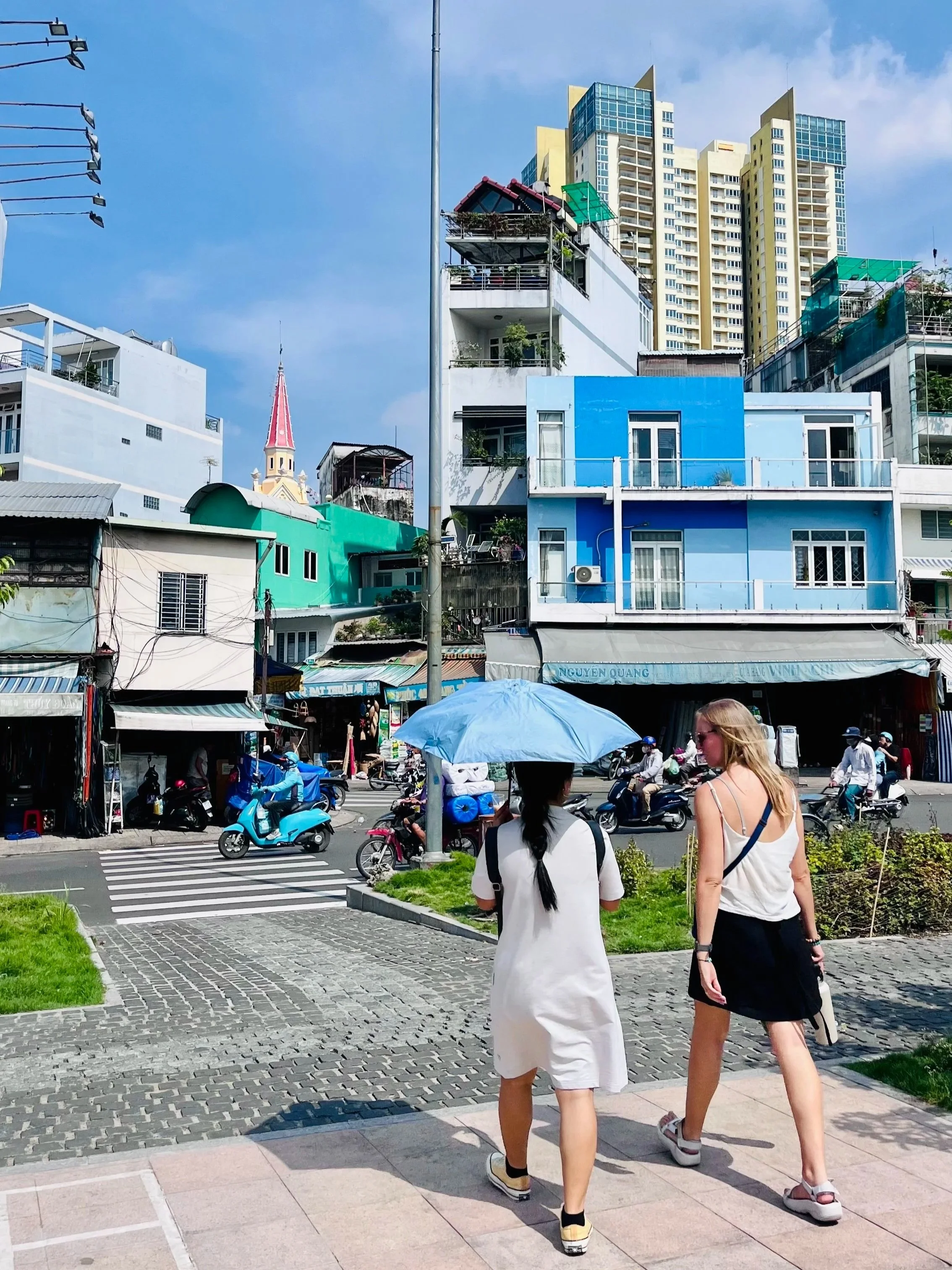
Walking in Ho Chi Minh City requires more confidence than speed:
Cross roads steadily, not hesitantly
Let traffic flow around you
Comfortable shoes and sunscreen are essential
Food in Ho Chi Minh City: Eating Well Beyond the Walking Tour
Vietnam is known for having some of the best food in the world. Fresh herbs, layered flavours, rich broths, and that unmistakable balance of sweet, salty, sour and umami — it’s a cuisine that rewards curiosity. And of course, there’s the coffee: strong, sweet, and unlike anywhere else.
While this walking tour in Ho Chi Minh City wasn’t food-focused, eating well is still very much part of the wider Saigon experience. During our stay, we were based out in District 7, which meant we didn’t explore as many eateries in central Ho Chi Minh City as we normally would. We have put together a guide of our favourite restaurants in District 7. Rather than rushing meals between walking routes, we chose to enjoy food more intentionally before and after our days out.
If food is a big part of how you experience a city — especially if you’re vegetarian or vegan — I’d recommend planning this side of your trip separately from your walking tours.
For a genuinely helpful, up-to-date guide, check out our friends at Vanderlust Journey, who’ve put together an excellent breakdown of how to eat vegetarian in Ho Chi Minh City, including where to go and what to order:
It’s a great resource to bookmark before you arrive or save for evenings after a day of city walking — especially if you want to eat well without defaulting to tourist-heavy spots.
Editorial Picks
Heading north after Saigon? The train is one of the best ways to get there. Here’s everything you need to know, from booking your tickets to what to bring.
City hopping? Plan your ultimate stopover in Bangkok with our 24-hour guide. We’ve got your plan with coffee shops, shopping spots, viewpoints and temples.
Final thoughts: why this walking tour mattered
This walking tour in Ho Chi Minh City reminded me that travel doesn’t always have to be about the Top 10 attractions. Every city offers layers of life — you just need the right way in.
If you’re looking to explore Saigon with context, care, and curiosity, a guided walking tour through its neighbourhoods might be the best place to start.
Sometimes, the most meaningful travel moments happen not when you’re seeing more — but when you’re finally understanding what’s already there.
A real-life monthly budget for two people living in Ho Chi Minh City, including a housesit. Honest figures covering rent, dining, transport, visa and more.