
The Freedom Series: Neil Hughes on Travel, Grief, and a Promise Kept
This post may contain affiliate links, meaning we get a commission if you decide to purchase through our links at no cost to you. This helps fund Slower Travels without costing you a cent!
Words by Neil Hughes | Edited by Tania from Slower Travels
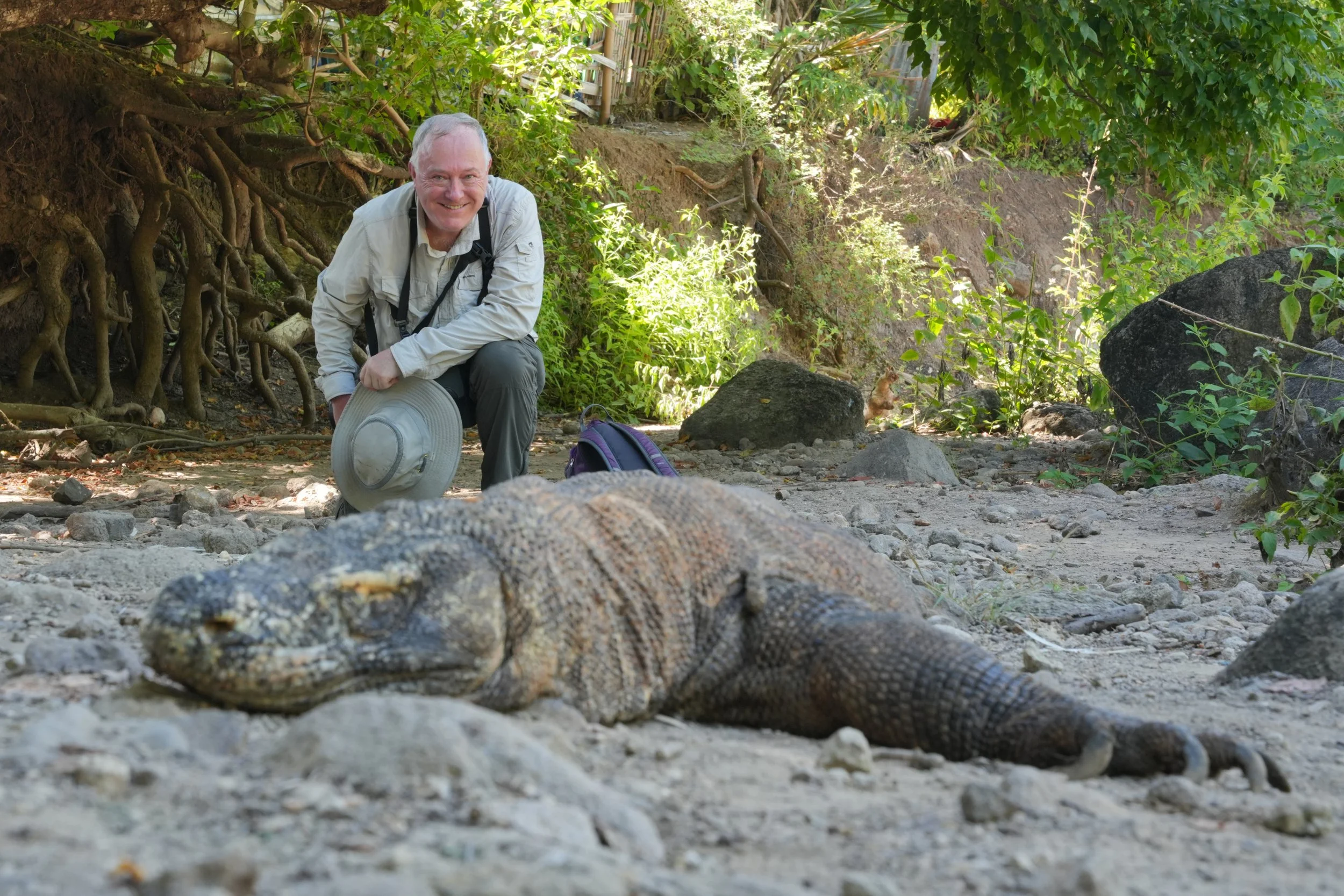
Neil Hughes has always moved toward the world rather than away from it. Long before travel became his full-time life, it was the thing he organised everything else around. Summer holidays spent flying to wherever Wales were playing on their rugby tour, whether that was Australia, South Africa or Argentina. Later, birdwatching trips to places most people couldn't find on a map: Ecuador, Mongolia, São Tomé and Príncipe. Not package tours and pool bars, but the kind of travel that gets you into a forest communicating through sign language with members of an indigenous tribe, or teaching ten-year-old boys to count in English outside a mosque in Indonesia while they teach you the same in theirs.
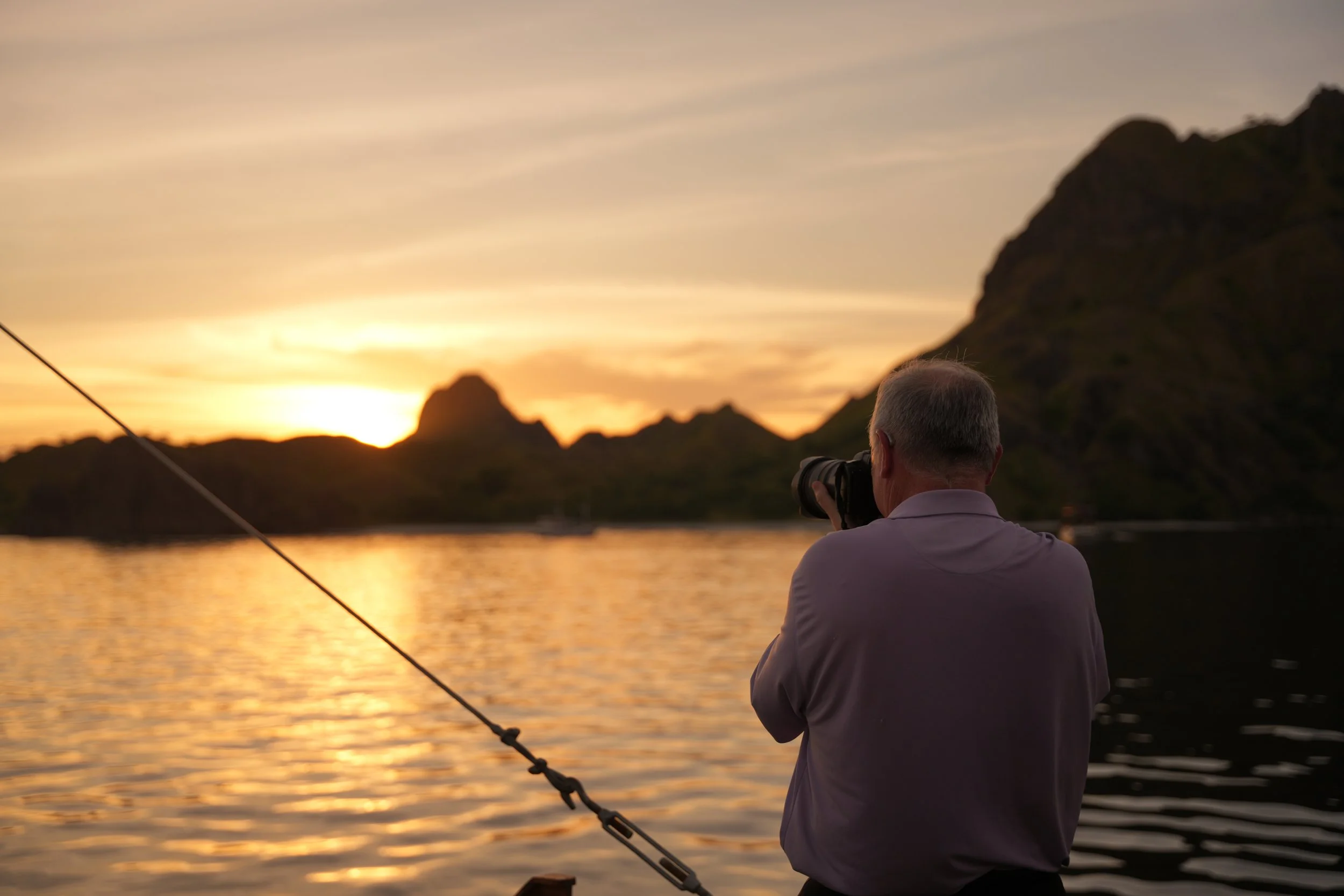
He's 61, originally from Swansea, and he'll tell you he doesn't feel it. Last week, his calves were in bits after an hour-long uphill hike up stone stairs to view an active volcano, followed by a day of climbing ancient temple steps. But he managed it. He always manages it.
What changed, two years ago, was why.
The Car Park
It was October 2023. Carol, his partner of over thirty years, had booked an endoscopy to investigate some minor symptoms. The clinic was small, so Neil waited outside in the car.
After ten minutes, his phone rang.
"Can you come in. The doctor wants to talk to me. I think they've found something."
The diagnosis was oesophageal cancer. The surgeon outlined the procedure: remove the oesophagus, reconstruct it using half the stomach. Then the odds: a one in four chance of not surviving the operation, rising to one in three with complications. Six months of chemotherapy. Half her body weight lost while she relearned how to eat. And then, the detail that made everything else beside the point:
"This form is very aggressive and is likely to return within two years."
On the drive home, Carol made her decision.
"I'm not having the operation."
Neil didn't need her to explain. He'd seen it in her face before she said a word.
Twelve Months, and a Promise
The prognosis without treatment was twelve to eighteen months. Neil spoke to his boss, who was quietly brilliant about it. He went on sick leave. And for the next year, while Carol was still symptom-free, they moved.
Lisbon. Venice. Majorca. Athens. Berlin. Vienna. Prague. Favourite places revisited, new ones discovered. Something they'd avoided for over thirty years: they got married.
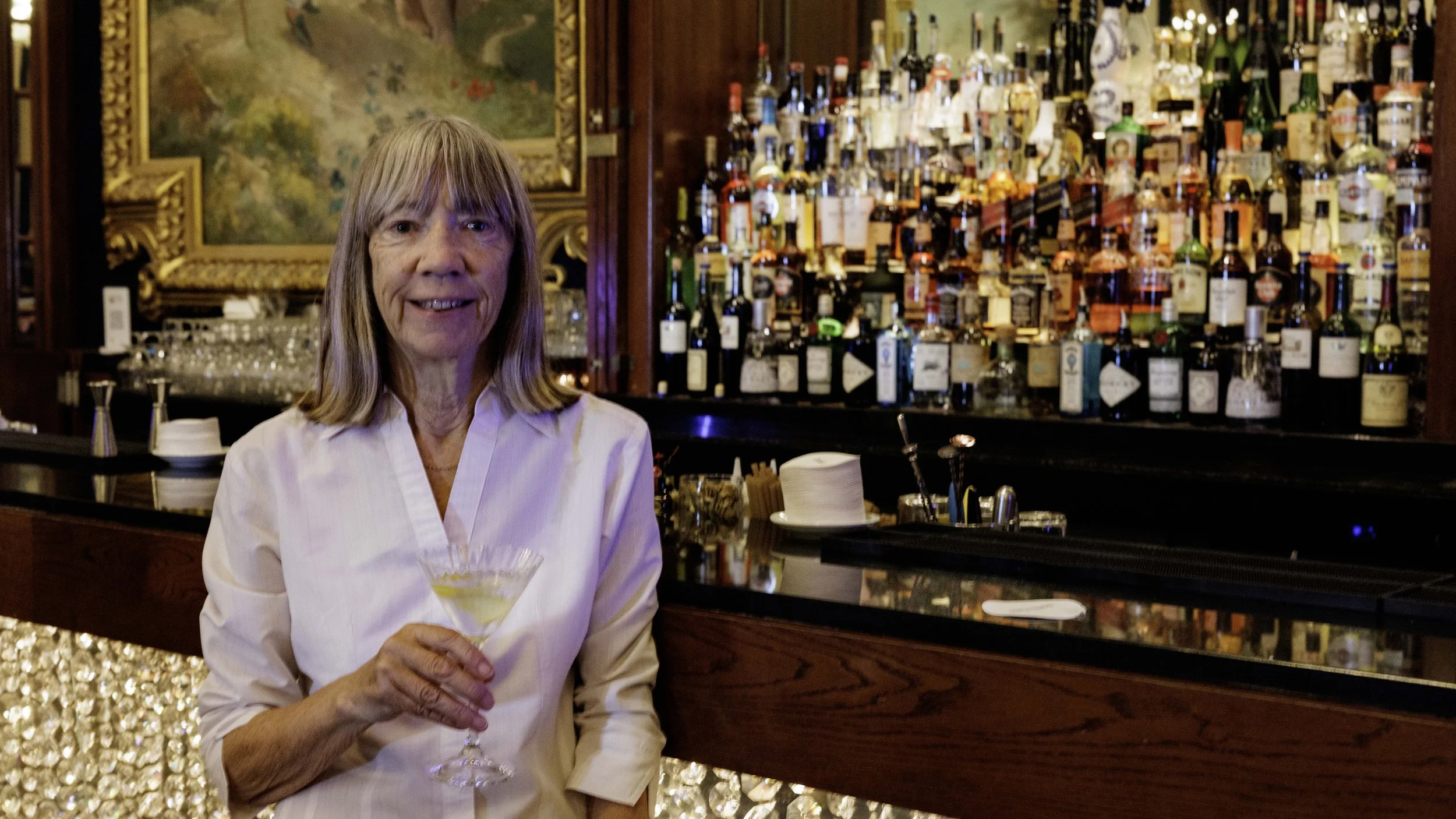
In Monaco, sitting in the casino with a twenty-euro James Bond martini (shaken, not stirred, obviously), Carol asked him a question she already knew the answer to.
"What are you going to do when I'm gone?"
She knew him well enough to know the risk: that without a focus, he'd stay home, sit in front of the computer, and drink too much wine. So they made a plan together. He'd travel. He'd write about it. He'd set up a blog.
He came up with a name: Do Not Go Gently Travel, after the Dylan Thomas poem. It felt right in more ways than one. Thomas and Neil both come from Swansea. And the poem, written by Thomas to his own dying father, urging him to rage against the dying of the light, had found a new context. Neil would be the one doing the raging, in Carol's honour.
She asked for it to be read at her funeral.
The cancer began hitting hard in October 2024. Neil was with her in the hospice when she died in March of last year.
Within a few weeks of the funeral, he was on a plane to Belize.
The Life Now
In the thirteen months since, Neil has barely stopped. Belize and Guatemala. Six weeks in Colombia. Two months interrailing in the Balkans. Spain. Japan. Now Indonesia, with Argentina and Chile already booked, after that.
He still has the house in Essex. It’s part safety net, part emotional anchor he's not yet ready to release. His insurance requires him to sleep there at least one night in sixty, which gives a certain shape to things. Eventually, he says, he'll sell it and go fully nomadic. But not yet.
What he's learned, after a seven-month continuous travel block that left him physically and emotionally spent, is that pace matters. This year, he's trying something different: two months travelling, one month home. Time to plan the next trip, see his ninety-two-year-old mother in Wales, visit friends in person rather than through time-zone-dependent WhatsApp calls. It seems to be working.
"Two-month blocks feel like a suitable compromise. It gives me a defined timescale to see a country properly."
The spreadsheet, once a professional religion with every flight and hotel and transfer planned months in advance, is now almost bare. On his first trip to Belize it was full. For Indonesia, he has the flights in and out and almost nothing else. He booked an apartment in Niš, Serbia, fifteen minutes before arriving in town. For a man whose motto was once there's nothing in this world that can't be improved by a spreadsheet, this is progress.
What Travel Actually Is
Neil is precise about what makes this life worth living, and it has nothing to do with landmarks.
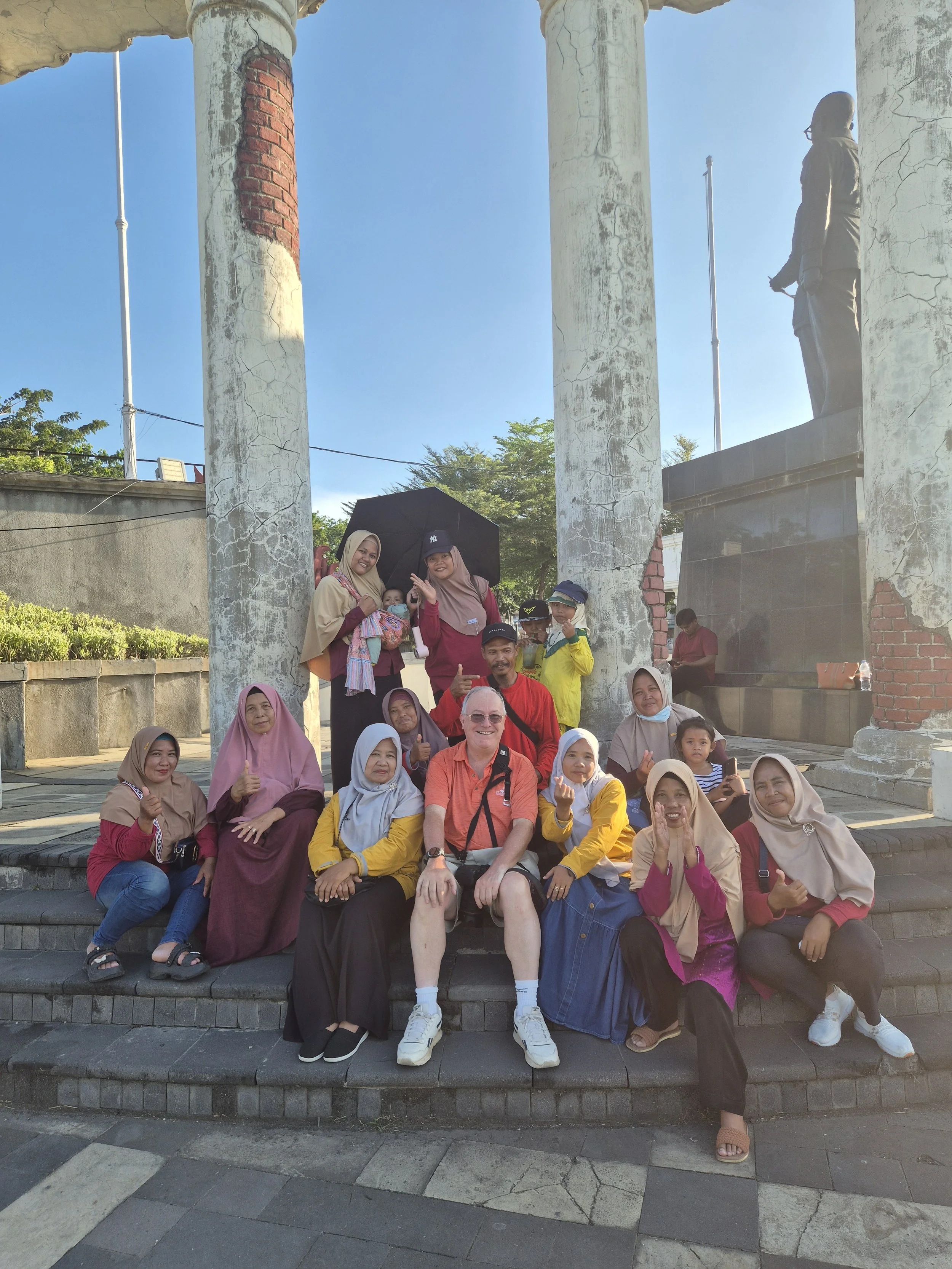
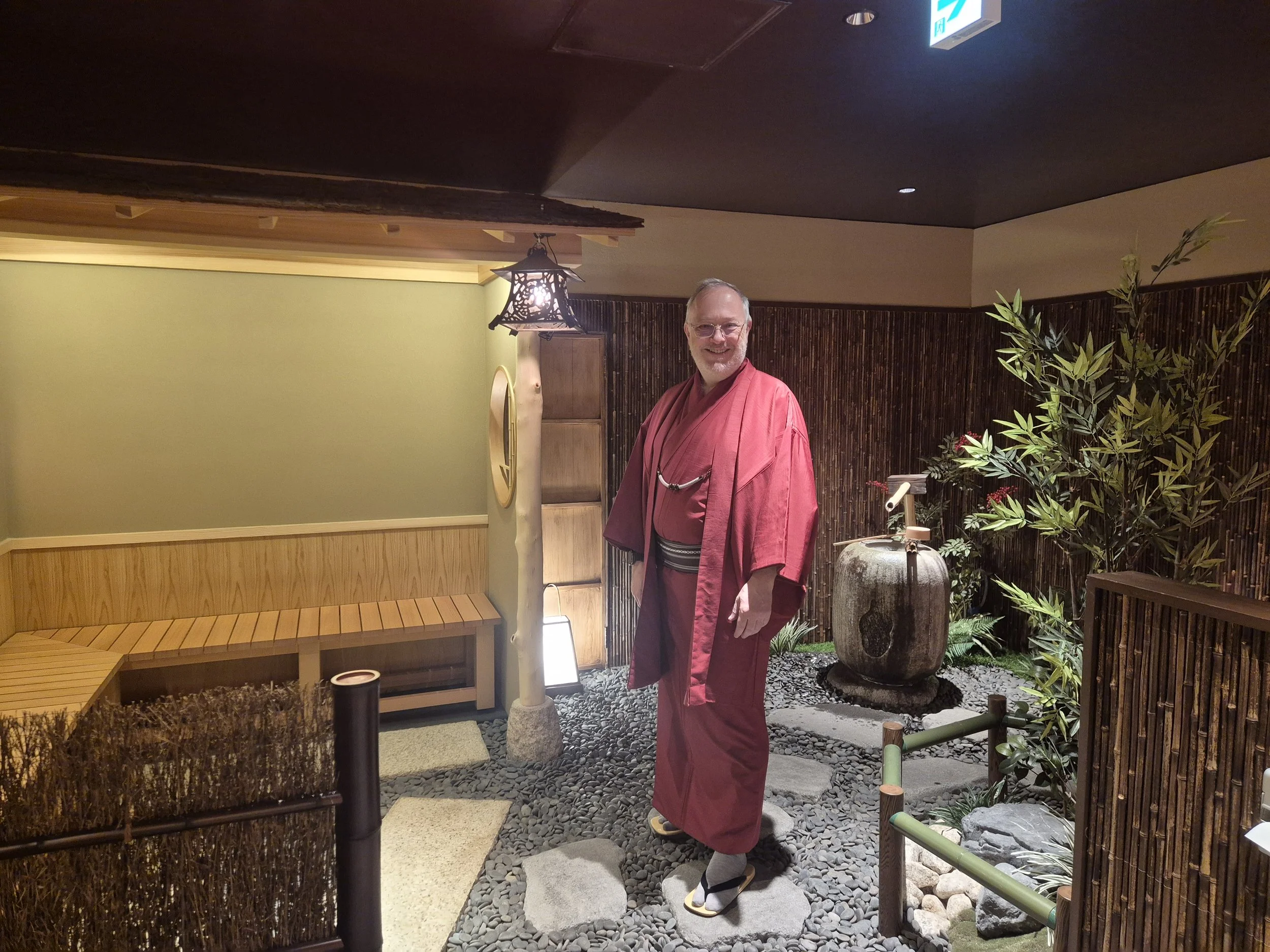
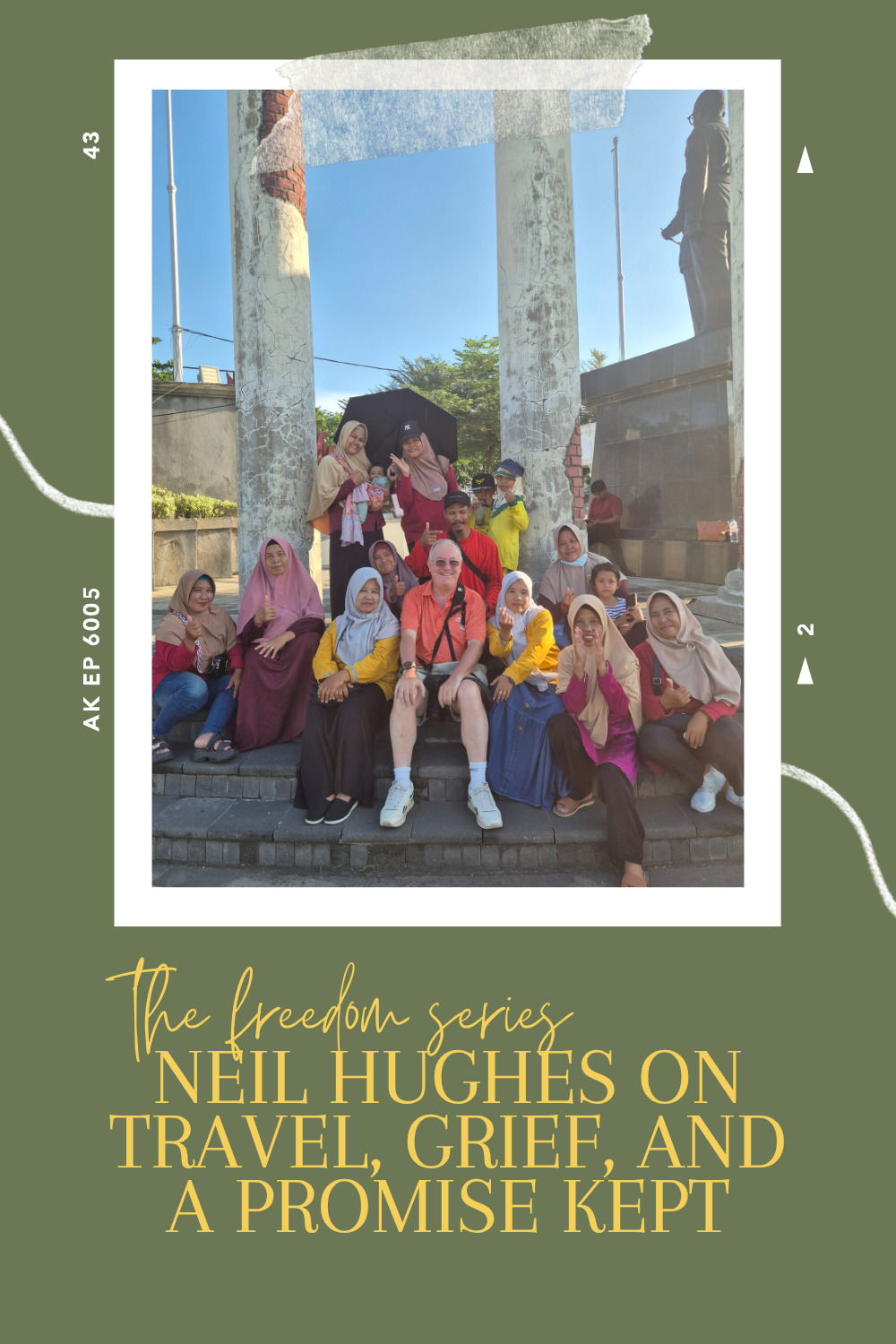
In Colombia, two men from a local indigenous tribe emerged from the forest while he was birdwatching. They communicated through sign language. They found his guide's infrared scope hilarious. In Okinawa, what he almost dismissed as a tourist trap turned out to be a traditional coming-of-age ceremony: young women in kimonos celebrating a national holiday. His cynicism nearly made him miss something beautiful. In Surabaya, a group of women in traditional hijabs asked to have their photo taken with him. No agenda, no angle. Just curiosity.
"I believe many of the world's problems stem from a fear of 'the other'. Exposure to other cultures wears that away."
This is what he means when he talks about getting under the skin of a place. Not drinking piña coladas by a pool (though he'll do that too, guilt-free, on a quiet day) but the accidental, unplanned moments that don't appear on any itinerary.
What Carol Left Him
People ask Neil if he gets lonely. He understands why, but the honest answer is no. Or at least, not in the way they mean. He's an introvert by nature, comfortable in his own company, content to eat alone in restaurants or spend a day looking for birds in silence. What solo travel has actually done is force him to interact with strangers more than he ever would have otherwise. And that, it turns out, is where the best stories come from.
People also ask when he's going to stop and settle down again.
"When I don't want to do it anymore," he says. "Or when I physically can't."
His mother (ninety-two, independent, Welsh) worries, as mothers do. Whenever he tells her his next destination, there's always a reason he shouldn't go: someone was kidnapped there twenty-five years ago, someone else got food poisoning, what about the drugs? He points out gently that all of this could happen in London. His winning argument, the one she's never found a response to, is the promise to Carol.
Freedom, for Neil, has several layers. Freedom from a work calendar. Freedom to go birdwatching in minus twelve degrees in Hokkaido without needing to justify it to anyone. Financial freedom isn’t a luxury, but security; clean and comfortable places and the ability to solve a problem when one arises. And the freedom, hardest won of all, to have a quiet day without feeling guilty about it.
"When annual leave was a precious resource, I maximised every second. Now, if I want to sit in a park with a book, I will."
He's still figuring things out. Packing lighter. Trusting strangers a little more. Living in the present rather than planning the next trip while still on the current one. Every trip teaches him something, and after each one he sits down and analyses what worked and what didn't. The spreadsheet lives on, just more loosely held.
He's 61, in pretty good shape, and trying to do the more adventurous things while he still can. Carol's experience taught him, more clearly than anything else could, that there are no guarantees.
So he rages. Gently, gratefully, with a camera and a bird list and a near-empty spreadsheet.
Just as he promised.
Follow Neil's Story
Blog: donotgogentlytravel.com
Instagram: @donotgogentlytravel
Facebook: @donotgogentlytravel

Veronica Paula left a tech career, spent eight months in Southern Africa, and came home with a business idea. Her story is about building a life and a company on your own terms in a practical, deliberate way.